Cart
Sub-Total: $0.00
15 min read

January 10, 2026
Imagine you're heading out into the wilderness for a hike, a camping trip, or even just a day of bushcraft in changing weather. The clothes you wear aren't just about looking good or feeling cozy at the start. They're your first line of defense against the environment. Your body is constantly producing heat, like a little furnace inside you, but things like wind, rain, snow, sweat, or even just stopping to rest can steal that heat away fast. When that happens, you go from comfortable to miserable, or worse, at risk for serious issues like hypothermia.
That's why proper clothing is about control, not just comfort. It lets you manage your body's temperature no matter what the day throws at you, whether you're hiking up a steep trail in Colorado's mountains, standing still hunting, or dealing with an unexpected storm far from shelter. The same principles work for almost any outdoor activity; only the speed at which things go wrong changes if you make a mistake.
If you learn how layering works and why it exists, you can adapt on the fly and turn unpredictable weather into something manageable. Let's break it down step by step, starting from the basics, so even if you've never thought about this before, you'll understand exactly why each piece matters.
Your body generates heat every time you move, walking, chopping wood, setting up camp, anything that gets your heart pumping. But the outdoors doesn't stay the same for long. One minute you're hiking hard and feeling warm; the next, you're stopped for a break, the wind picks up, snow starts falling, or the sun drops behind a ridge and temperatures plummet. A single heavy jacket might feel perfect at the trailhead, but it can trap sweat inside, make you overheat during effort, and then leave you freezing when you stop because that dampness sucks heat away like a sponge.
Heat leaves the body in predictable ways. Wind strips it away, moisture speeds the process up, and contact with cold surfaces pulls it out faster than most people expect. When movement stops, heat production drops immediately. Layering exists because these forces are always working against you, even when conditions don’t feel severe yet.
Layering solves this by giving you flexibility. Instead of one big piece of clothing, you wear several thinner ones that you can add, remove, or adjust as needed. This system handles three critical jobs at once:
When these three things are working together, even tough conditions stop feeling like a crisis. You stay dry from the inside (no trapped sweat) and protected from the outside (no soaking rain or biting wind). It's like having a personal thermostat you control with zippers, buttons, and what you take off or put on.
If you want a deeper understanding of how cold affects decision making long before it feels life threatening, read How Hypothermia Changes Your Thinking.
Most people new to the outdoors dress based on how the weather feels right now, at the car, at camp, or at the trailhead. It might be chilly, so they bundle up thick. Then they start moving, their body heats up, they sweat, and that sweat soaks into their clothes from the inside. When they slow down or stop, that wet clothing acts like a wick, pulling heat out of their body rapidly. Wind makes it even worse, and suddenly they're shivering, hands numb, decisions foggy, classic setup for discomfort or danger.
The real goal isn't to feel perfect at the beginning. It's to stay in control all day long. Start a little cool (you'll warm up as you move), and be ready to vent or strip layers early. This prevents the sweat trap that turns a nice day into a miserable one.
People often talk about "three layers," but think of it as three jobs your clothing needs to do. You might wear more than three actual items (like two insulation pieces), but every piece should clearly serve one role. If something doesn't fit one of these jobs, it usually creates problems like overheating, bulk, or poor moisture control.
1. Base Layer: Managing Sweat, Not Warmth
This is the layer right against your skin, think long underwear tops and bottoms, or even just a good shirt and leggings. Its only job is to move moisture (sweat) away from your body quickly, so your skin stays dry. Dry skin means your body doesn't waste energy trying to evaporate sweat, and you avoid that chilling feeling.
Good base layers are made from materials that wick moisture outward:
Merino wool — This comes from a special breed of sheep and is incredibly soft (no itch like regular wool). It naturally pulls sweat away, insulates a bit even when damp, and fights odor so you can wear it for days without it smelling bad. It dries slower than synthetics but stays comfortable longer in wet conditions. Many experienced outdoors folks love it for multi day trips because it keeps you feeling fresh.
Synthetic fabrics like polyester or polypropylene —These are man made, usually cheaper, dry super fast, and wick moisture excellently during hard effort. They're durable and stretchy, but they can hold odors more over time (though newer treatments help). Great for high activity days.
Avoid cotton at all costs outdoors: Cotton soaks up sweat like a towel and holds it there forever. It dries painfully slow, and when wet, it pulls heat from your body faster than almost anything else. Wind hits wet cotton, and you cool down dramatically. "Cotton kills" is a common saying for a reason. It's fine on the couch, but deadly in the backcountry when sweat or weather gets involved.
Thickness matters too:
Lightweight —Best for most active use; keeps you from overheating while still moving sweat.
Midweight —Good for slower activities or colder starts.
Heavyweight —Only for extreme cold and low movement; too warm for hiking.
Beginner rule —Go lighter than you think. You can always add warmth later, but you can't take sweat out once it's trapped.
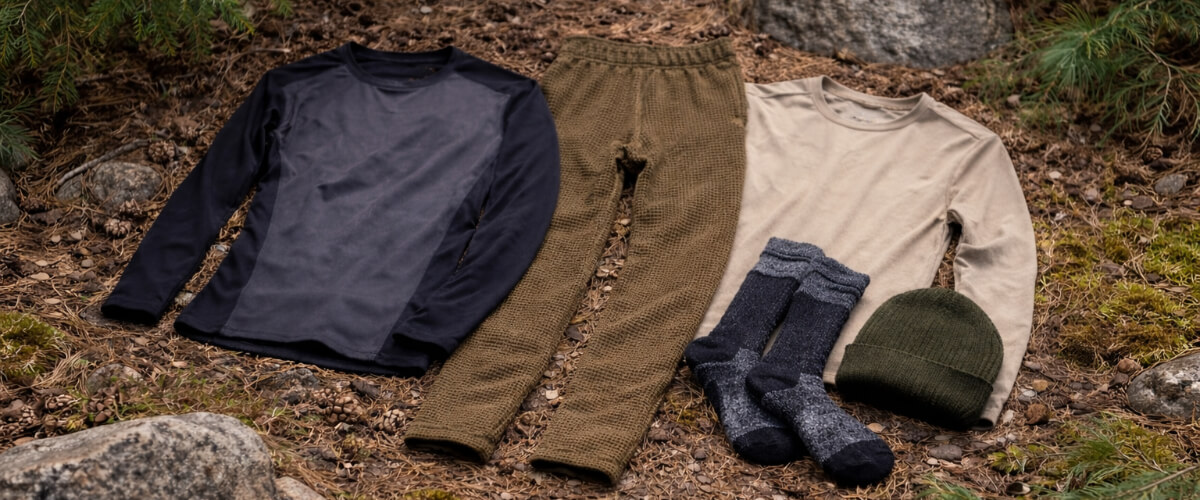
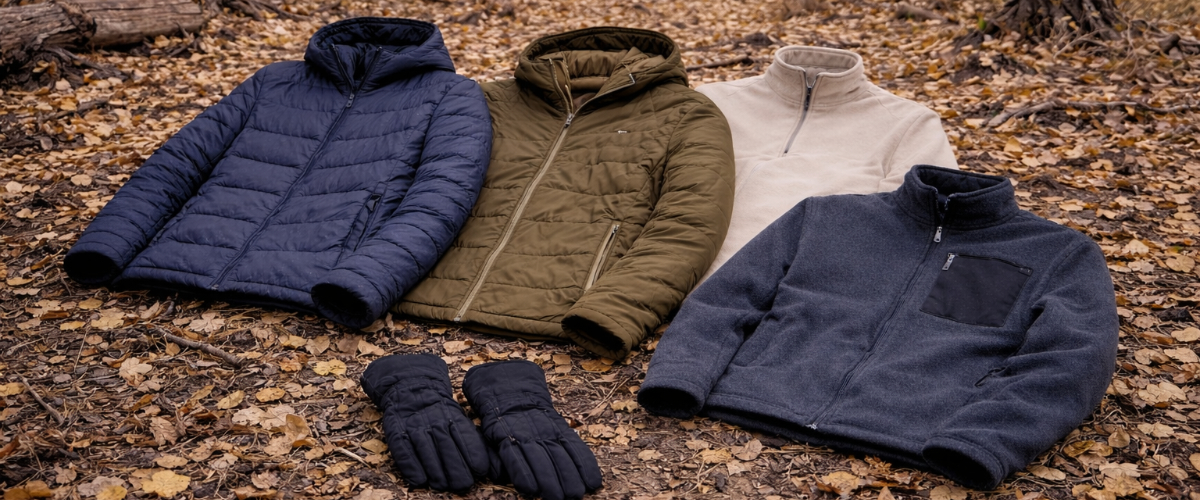
Once sweat is moved away, this layer traps warm air around your body to keep you insulated. It's most important when you're not moving much (like at camp, on a break, or if weather turns bad), because that's when your internal furnace slows down.
Common options:
Fleece —Soft, breathable, and works even when slightly damp. It lets moisture escape so you don't overheat during activity, but it doesn't block wind well (pair it with a shell). Great all around choice for beginners.
Synthetic insulated jackets (like PrimaLoft or similar fills) — Warm for their weight, keep insulating even if they get wet from rain or sweat, and dry faster than down. Very forgiving for variable weather.
Down insulated jackets —Super warm for how light and packable they are (high fill power means more warmth per ounce). They compress tiny for your pack. But down loses its loft (and warmth) when wet, so save it for dry cold conditions.
Beginner recommendation: Start with a good fleece for when you're moving, and add a synthetic insulated jacket for stops or colder nights. This combo covers most situations without needing perfect dry weather.
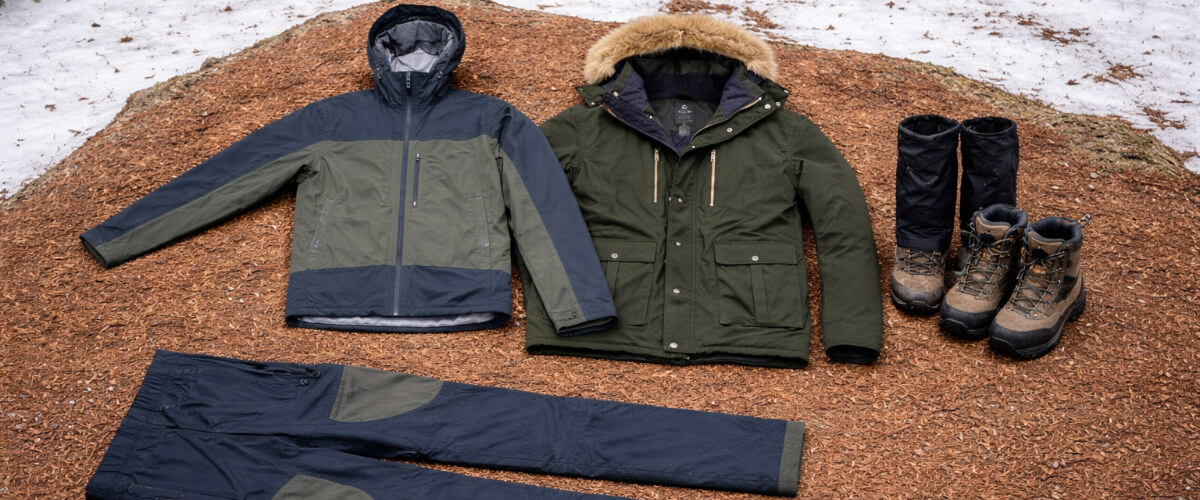
Wind can make even mild temperatures feel brutally cold by stripping heat away. Rain or snow soaks everything. The shell blocks both, while ideally letting some sweat escape.
Types:
Wind shells —Lightweight, very breathable, great at stopping wind with some light water resistance. Perfect for dry but gusty days.
Rain shells (waterproof breathable like Gore Tex or similar) —Fully block water and wind. Less breathable, so vent them (open pits, zippers) during effort to avoid sweat buildup.
Beginner rule: If you can only have one, get a breathable rain shell with good vents. Use it for wind alone too. Close it up when needed, open it when you're hot. Shells aren't just for rain; wind by itself justifies wearing one.
Your core (torso) is priority, but extremities matter hugely. Heat escapes fast from them.
Lower Body
Legs make heat during movement, so they often need less than your torso. Start with durable, quick dry pants (no denim, same problems as cotton). Add base layer leggings underneath in cold. For wind or rain, add shell pants.
Feet
Socks: Wool or synthetic only, no cotton. Match thickness to your boots so circulation isn't cut off (too tight equals cold feet). Carry a spare dry pair; changing socks can save a miserable day.
Boots: Waterproof helps in wet, but breathable pairs work in dry if socks are good. Cold feet are often circulation plus moisture, not just lack of insulation.
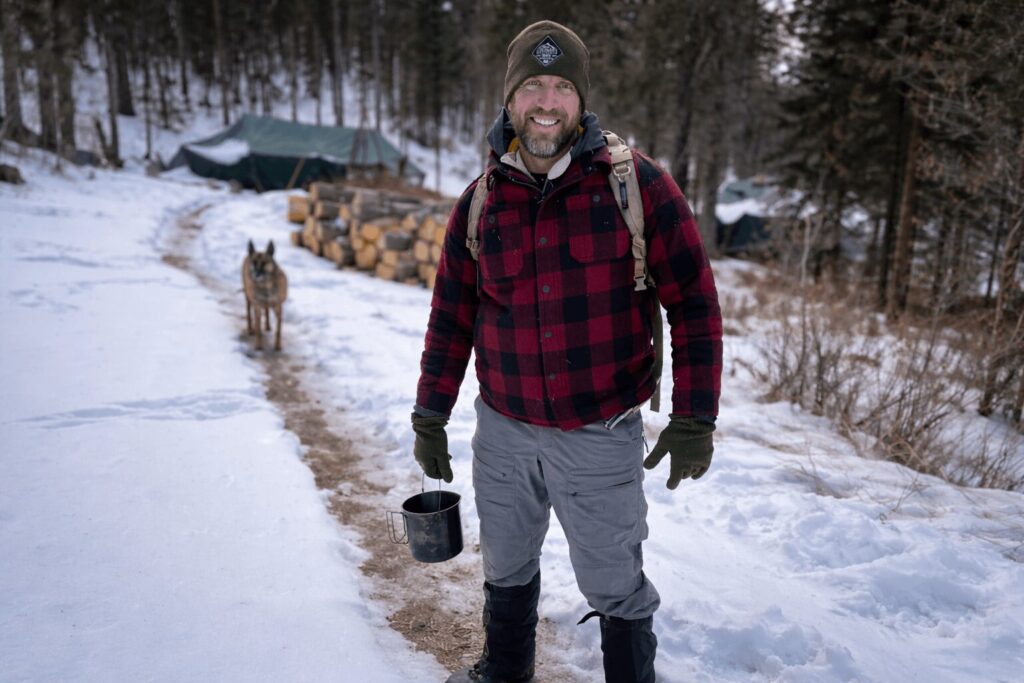
Boot Gaiters: often overlooked, but they solve a simple and important problem. They seal the gap between your pants and boots, keeping snow, rain, mud, and debris from getting inside. Once moisture or grit gets into your boots, heat loss increases and friction builds, leading to cold feet and blisters. In wet or snowy conditions, gaiters prevent water from entering from the top, which defeats even good waterproof boots. They are a simple way to keep your foot system dry and functional when conditions are less than ideal.
Hands
Thin liner gloves for dexterity during tasks, plus insulated gloves or warmer mittens (mittens win for warmth). Add waterproof shells if wet. Cold hands slow everything and raise risk.
Head and Neck
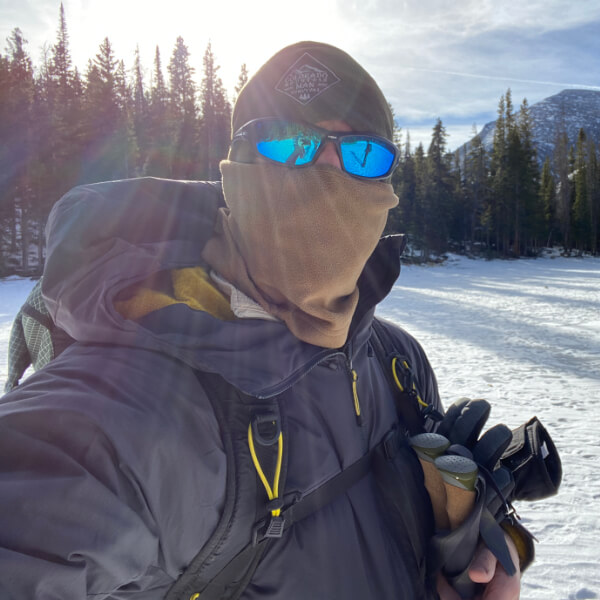
You lose tons of heat here. A warm beanie or hat, plus a lightweight neck gaiter or buff. Covering your neck often feels like adding a whole jacket, quick, light fix.
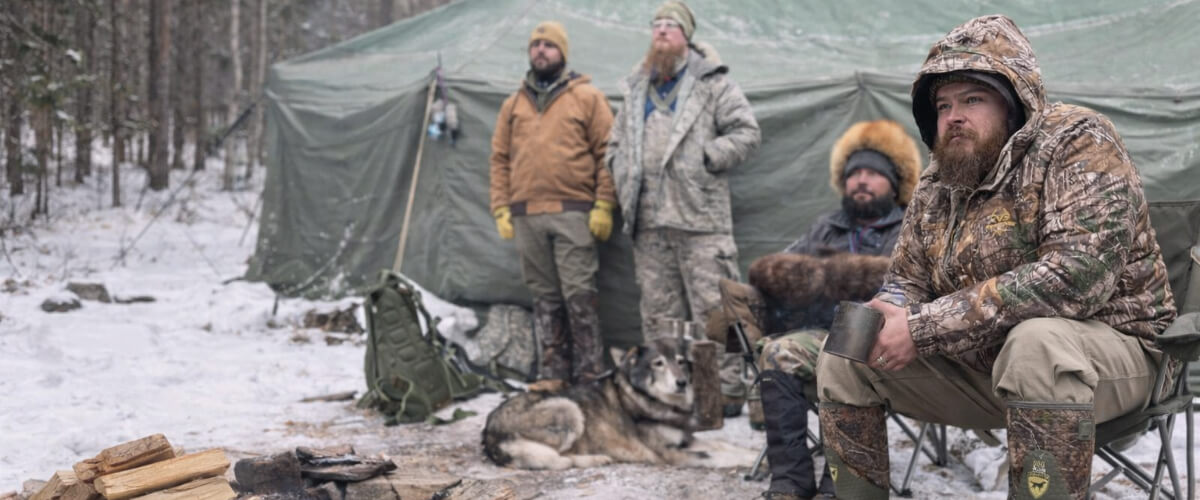
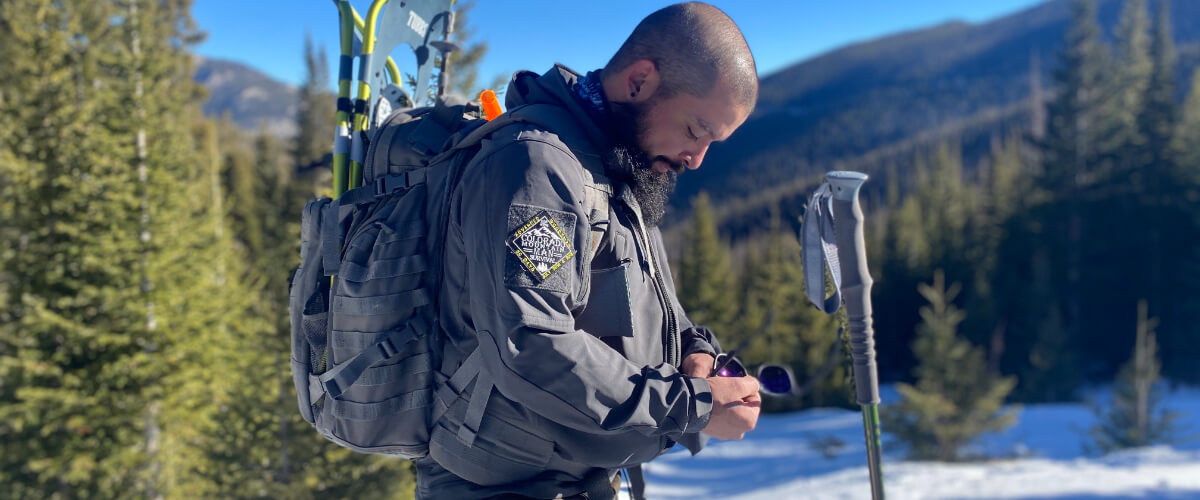
Clothing layers only work if they fit correctly. Materials and brand names mean very little if your layers are fighting your body instead of working with it. Poor fit causes circulation problems, traps sweat in the wrong places, and allows cold air to move where it should not.
Your base layer should fit close to the skin without being restrictive. Think snug, not tight. It needs full contact with your body to move sweat outward efficiently. If it is loose and baggy, moisture stays against your skin. If it is too tight, circulation is reduced, especially in cold conditions, which makes you colder, not warmer.
Insulation layers need a little room. Their job is to trap warm air, and air needs space to do that. If insulation is compressed, either by being too small or by stacking too many tight layers, it loses effectiveness fast. This is a common mistake when people size down because they want a “sleek” fit. Warmth does not come from squeezing insulation flat.
Shell layers need enough room to go over everything else without restricting movement. You should be able to reach overhead, bend, squat, and turn without the jacket riding up or binding. If your shell is too tight, it traps moisture and limits ventilation. If it is too loose, wind moves freely inside and steals heat. A good shell fits like a protective barrier, not a straightjacket and not a sail.
When trying on layers, move your body the way you will actually use it. Reach, bend, kneel, and twist. If something pulls, pinches, or rides up in a store, it will be far worse in wind, cold, or fatigue. Proper fit is not about comfort in front of a mirror. It is about function when conditions are working against you.
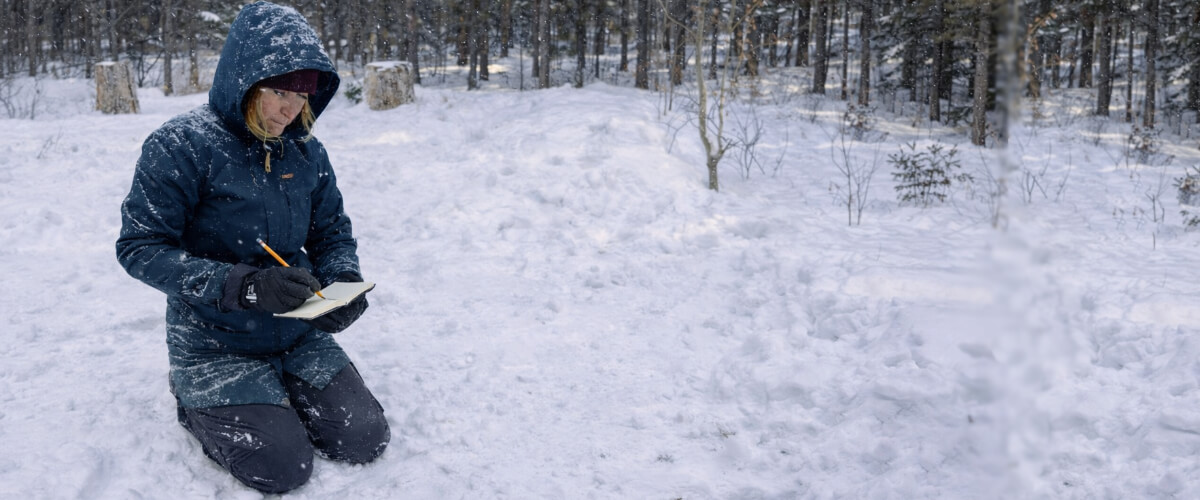
Layering only works if you pay attention to what your body is telling you and act early. Waiting until you are uncomfortable means you are already behind.
If you feel a light chill while moving, add insulation or block wind before shivering starts. Once shivering begins, heat loss accelerates and it becomes harder to recover without stopping completely. The same is true in the opposite direction. If your skin feels clammy, sweat is building, or you feel hotter than expected, vent or remove layers immediately. Do not push through it. Trapped sweat becomes a problem later when movement slows or weather changes.
Hands and feet are early warning systems. Cold fingers, numb toes, or tingling often mean circulation is restricted, moisture is building, or you waited too long to adjust. Fixing the problem early is simple. Fixing it later can require stopping, shelter, or a full clothing change.
Pay attention to subtle signals like irritability, poor focus, or feeling “off.” These are often early signs of thermal stress, either too cold or too hot. Clothing decisions affect judgment long before they create obvious danger. Check in with yourself regularly. Adjust before you need to. This is a skill, not an instinct, and it improves quickly with practice.
Layering only works when you are paying attention to yourself, which is the same mindset I break down in Lost Proofing: The Mindset that Brings You Home.
Sun and Heat Management
Cold mornings often trick people into starting out with a base layer they do not need once the day warms up. When the sun comes out or effort increases, that same base layer can quickly make you overheat. If you keep it on and push through, sweating ramps up fast and your body loses its ability to regulate temperature. Excessive sweating and overheating are dangerous. If the day warms considerably and you realize you are getting too hot, stop and remove layers early. That may mean standing there half dressed for a moment while you remove your base layers. That is normal. It is far better to strip down, cool down, and manage heat than to keep moving and push yourself toward heat exhaustion or worse.
Keep a Dry Layer in Reserve
Always keep at least one insulating layer dry and set aside for stops or emergencies. That layer should not be worn while moving and sweating. Once every layer you have is wet, your options shrink quickly. A dry insulating layer gives you a buffer when you stop, when weather turns, or when something goes wrong. This is a simple habit that prevents small problems from becoming serious ones.
Ground Contact Steals Heat Fast
Sitting or kneeling directly on cold ground, rock, snow, or frozen surfaces pulls heat out of your body faster than most people expect. Even if the air temperature feels manageable, contact with cold surfaces drains warmth quickly. When you stop, put something under you. A pack, a pad, a folded jacket, or extra clothing creates a barrier and preserves heat with almost no effort.
Layer Accessibility Matters
Layers only work if you use them in time. If insulation or shells are buried at the bottom of your pack, people delay putting them on and wait too long. Keep frequently used layers easy to reach so you can adjust early. Early adjustments prevent sweating, heat loss, and fatigue. Accessibility turns good clothing choices into good decisions.
If you want a detailed, winter specific breakdown of what works and what fails in real mountain conditions, start with Winter Survival in the Colorado Rockies Part 2 Must Have Gear and Clothing.
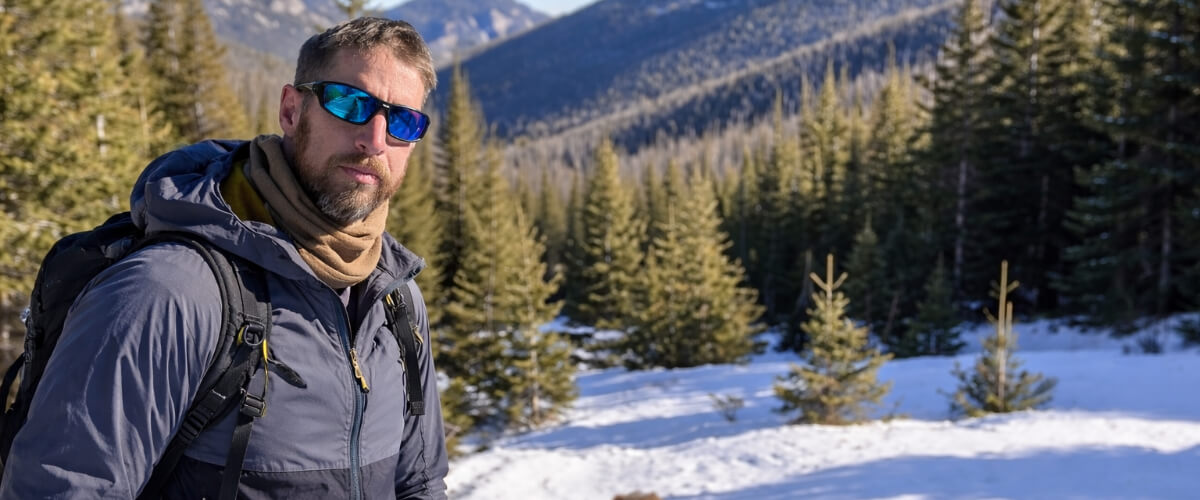
Layering isn't about fancy brands or copying someone's exact kit. It's about understanding your body as a heat engine interacting with a changing environment. Good layering prevents problems before they start; bad layering turns mild weather into a fight.
As a beginner, your goal isn't perfection. It's options. Bring pieces you can add or remove, pay attention to how you feel, and adjust early. That simple awareness turns clothing from a liability into one of your most reliable tools in the outdoors.
Get out there, experiment on short trips, and you'll build the skill fast. Stay safe, stay dry, and enjoy the adventure!

Jason Marsteiner is the founder and lead instructor at The Survival University, where he’s turned his obsession with staying alive into a mission to teach real-world survival skills. Forget fancy gear, Jason’s all about the know-how that gets you through the wild or a city crisis. A published author of Wilderness Survival Guide: Practical Skills for the Outdoor Adventurer, he’s distilled years of hard-earned wisdom into lessons anyone can use.
Raised in Colorado’s rugged mountains, Jason’s survival chops were forged in the wild—from Missouri forests to Arizona deserts to Costa Rican jungles. He’s navigated it all with next to nothing, earning creds like Wilderness First Responder (WFR) and SAR tracking along the way. He’s trained thousands to keep cool when 911’s out of reach, proving survival’s not just for grizzled adventurers, it’s for hikers, parents, and city slickers alike.
Jason’s mantra? Everyone should make it home safe. When he’s not running courses, he’s designing knives, mentoring newbies, or chilling in the city like the rest of us, always sharpening the skills that turn panic into power.
Clothing is your first line of defense outdoors, not a fashion choice. This guide breaks down how layering actually works, why materials and fit matter,...
What do you do for Dave when he hasn’t followed your advice and you are outdoors with him in your group? Do you pull out appropriate clothing for him? What does Dave do when he wore the wrong stuff?
In real life, Dave might get a cold weather injury like frostbite or hypothermia. In a training scenario he changes clothes frequently if needed. A fire is always going where he can warm frequently and something is always drying out.
Great advice, Jason. I learned this the hard way in the army. When you get wet and cold, warming up too fast can also be dangerous. I got pneumonia.