Cart
Sub-Total: $0.00
The Survival University offers our community of outdoor adventurers a robust library of training material through our Survival Blog. We believe in passing on our knowledge to empower students with a wealth of information that we find relevant to learning.
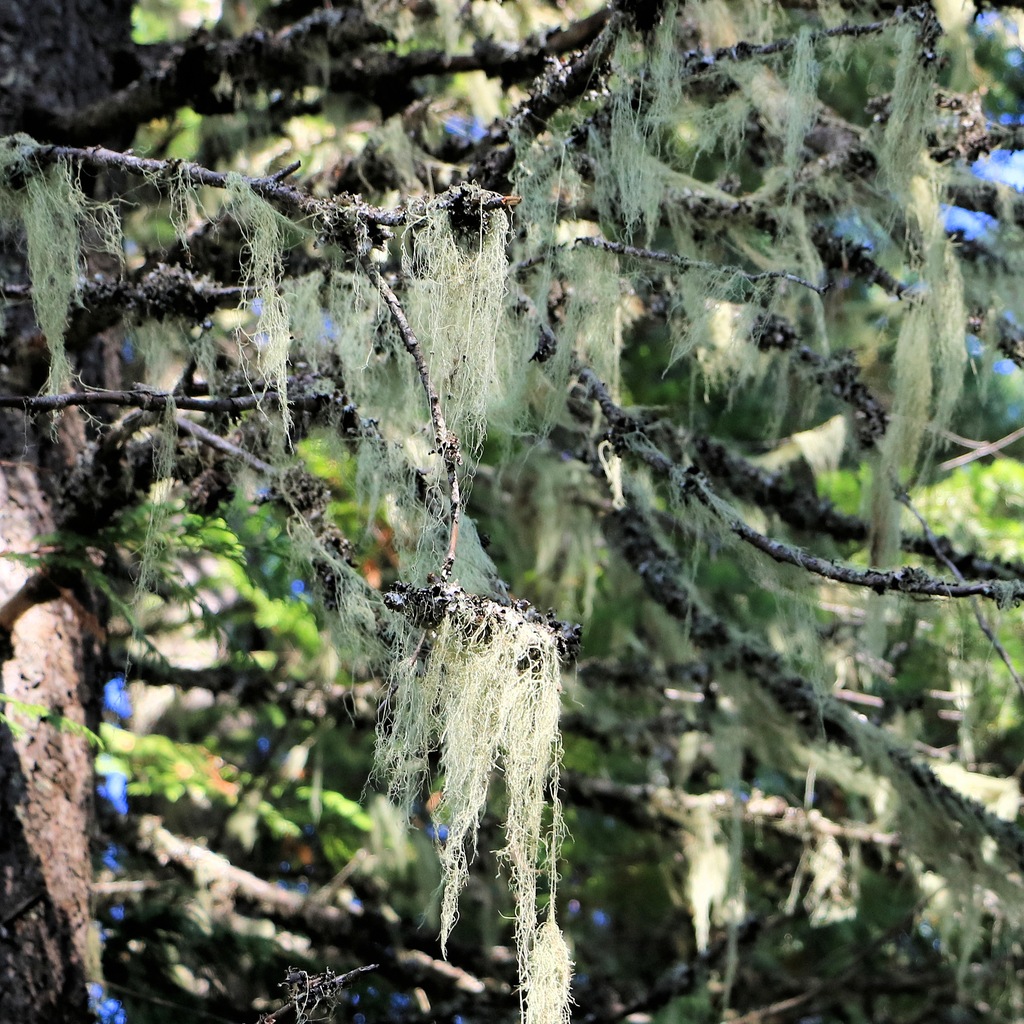
That pale beard hanging from a branch has a story worth slowing down for. Meet Colorado’s Usnea lichens, learn the central cord clue and common lookalikes, and explore tinder, traditional uses, forest ecology, and the limits of their medicinal reputation.
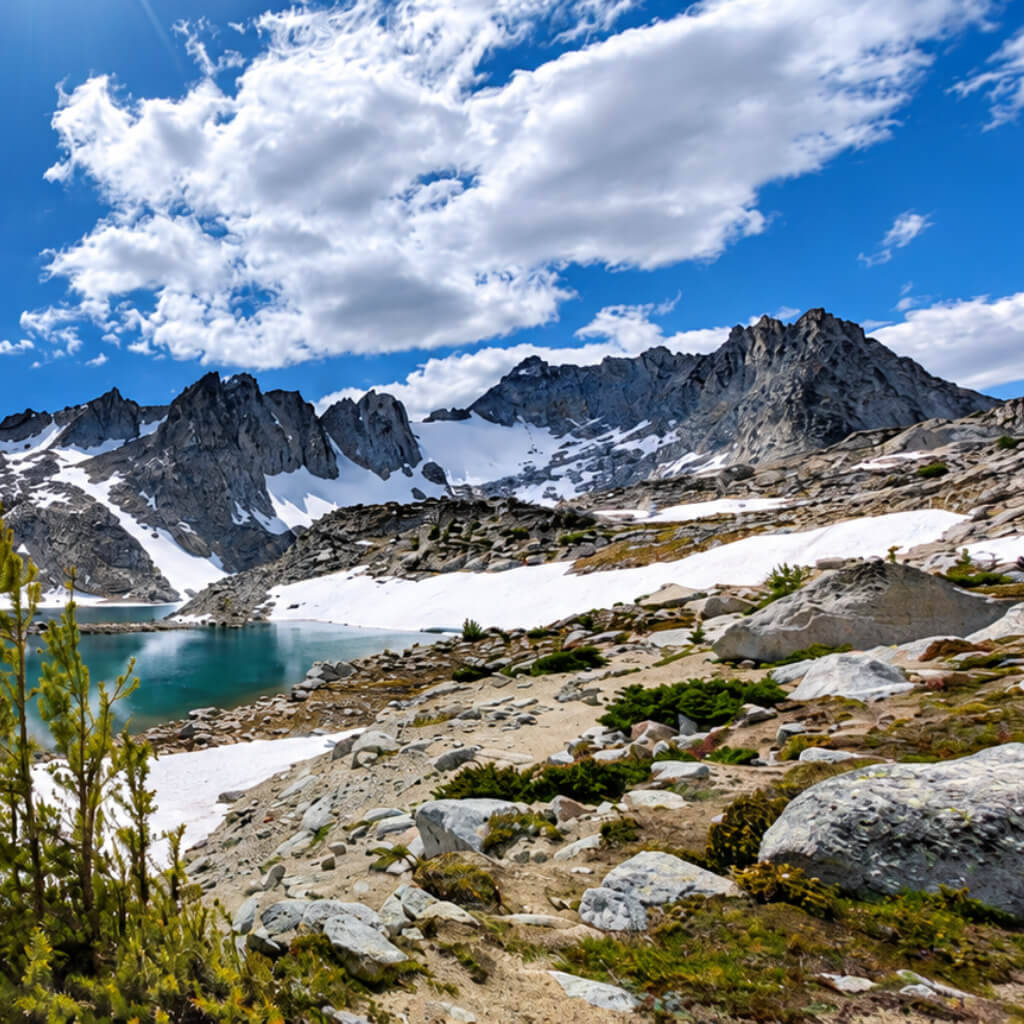
Published: October 19, 2026 On September 13, 2026, Sybil and Justin Claborn found themselves stranded in Washington’s Cascade Mountains as a powerful storm swept through…
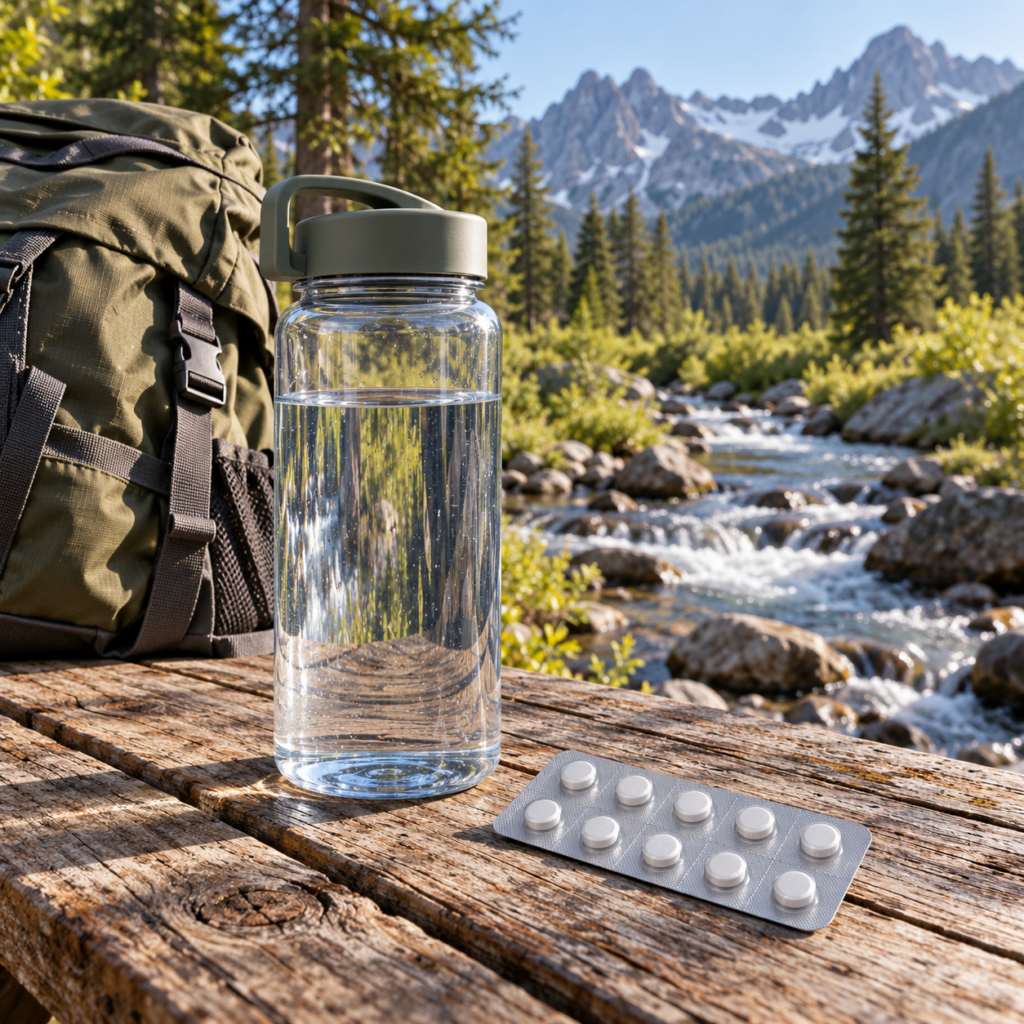
Water purification tablets are small enough to forget in your pack, but using them takes more than dropping one into a bottle. Learn how iodine, chlorine, and chlorine dioxide differ, why treatment times vary, and how to build a practical water plan for the backcountry.
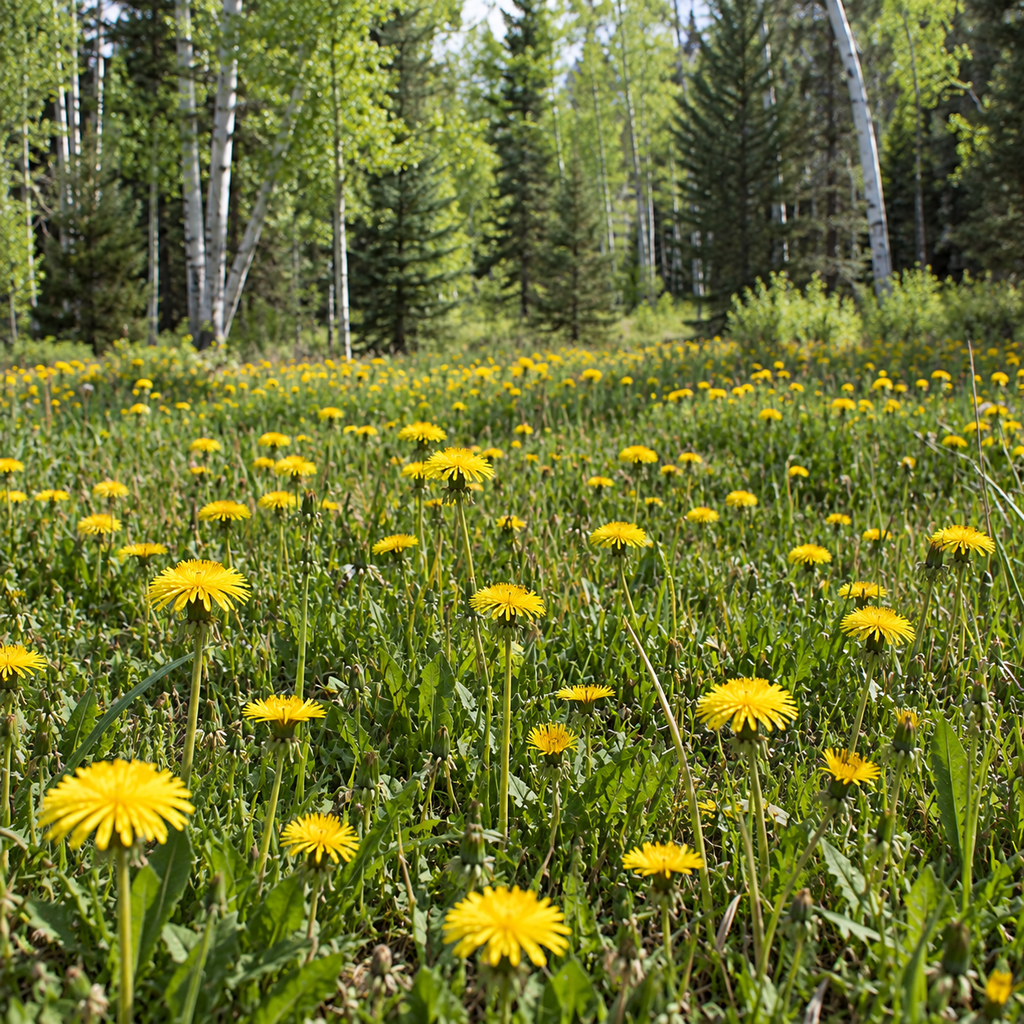
The flower your HOA wants gone might belong on your plate. Learn to identify and harvest dandelions, cook tender greens and campfire fritters, and brew flowers, leaves, and roasted roots, with practical safety advice and a little time left for blowing wishes into the breeze.
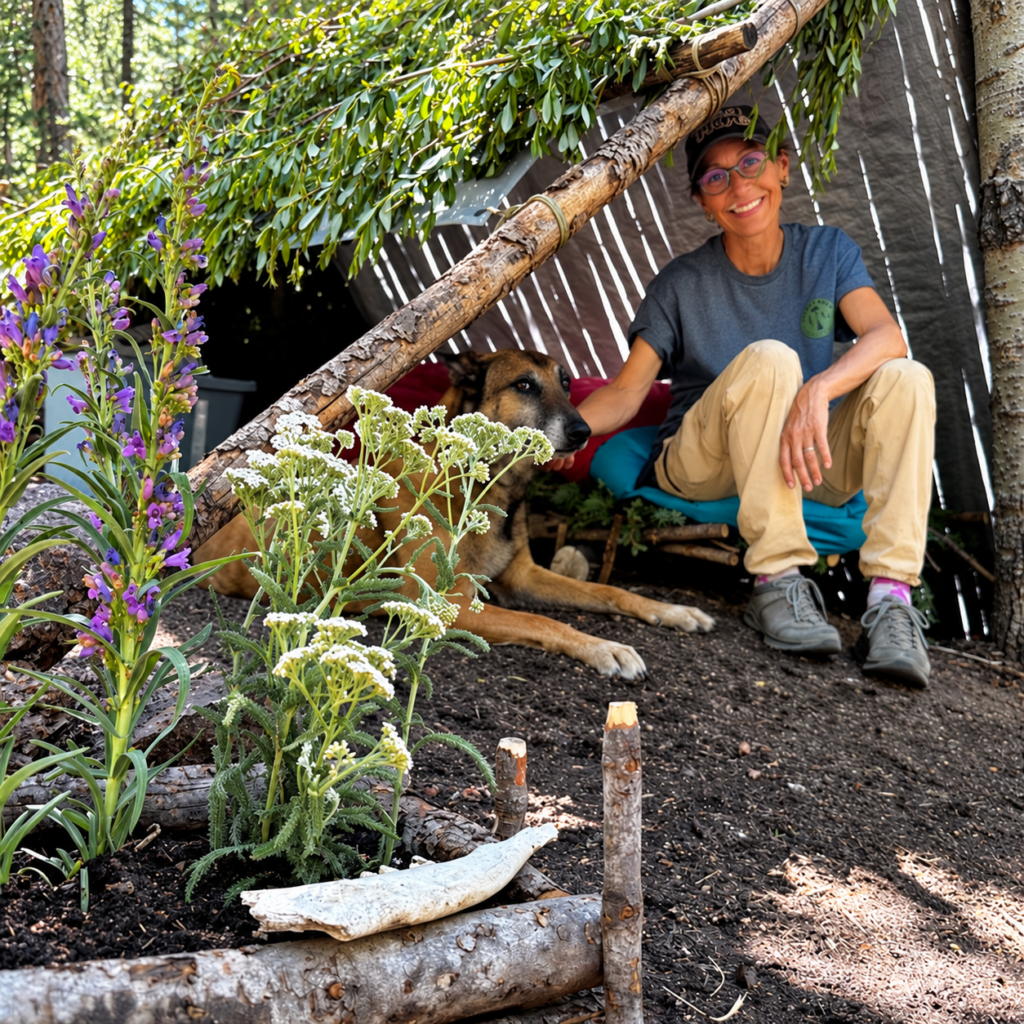
A carved stake and a broken stick can hold up the same tarp. Jason Marsteiner explains how survival and bushcraft share a toolbox, why urgency changes the job, and how practicing both builds practical outdoor capability.
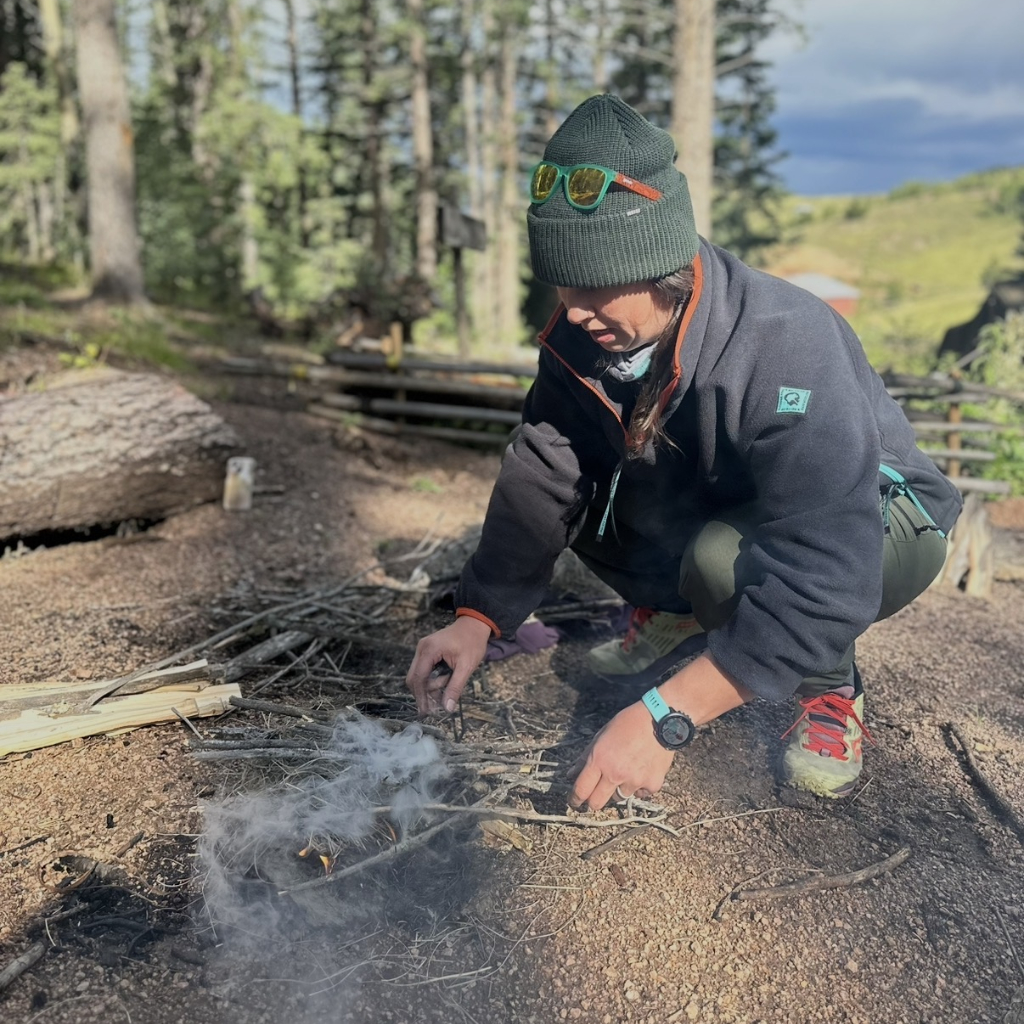
A lighter and a pile of sticks do not guarantee a survival fire. Jason Marsteiner explains the mistakes he sees in class, from skipping tiny fuel to smothering baby flames, and how preparation and practice build a fire that stays lit.
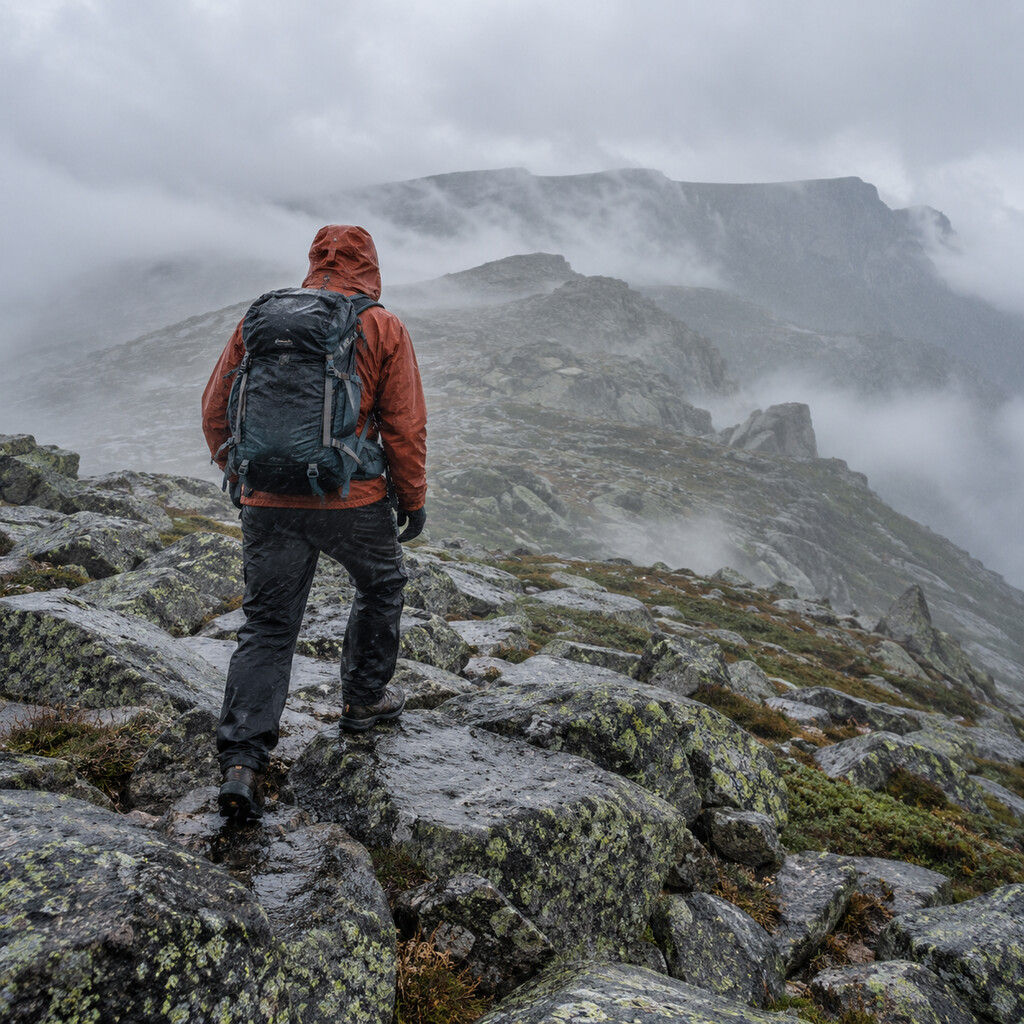
Bert Goris’s death on Mount Katahdin raises lessons about hypothermia, weather, exposed terrain, and preparedness. Jason Marsteiner examines how training expands what “everything I could” means without judging the hikers who tried to help.
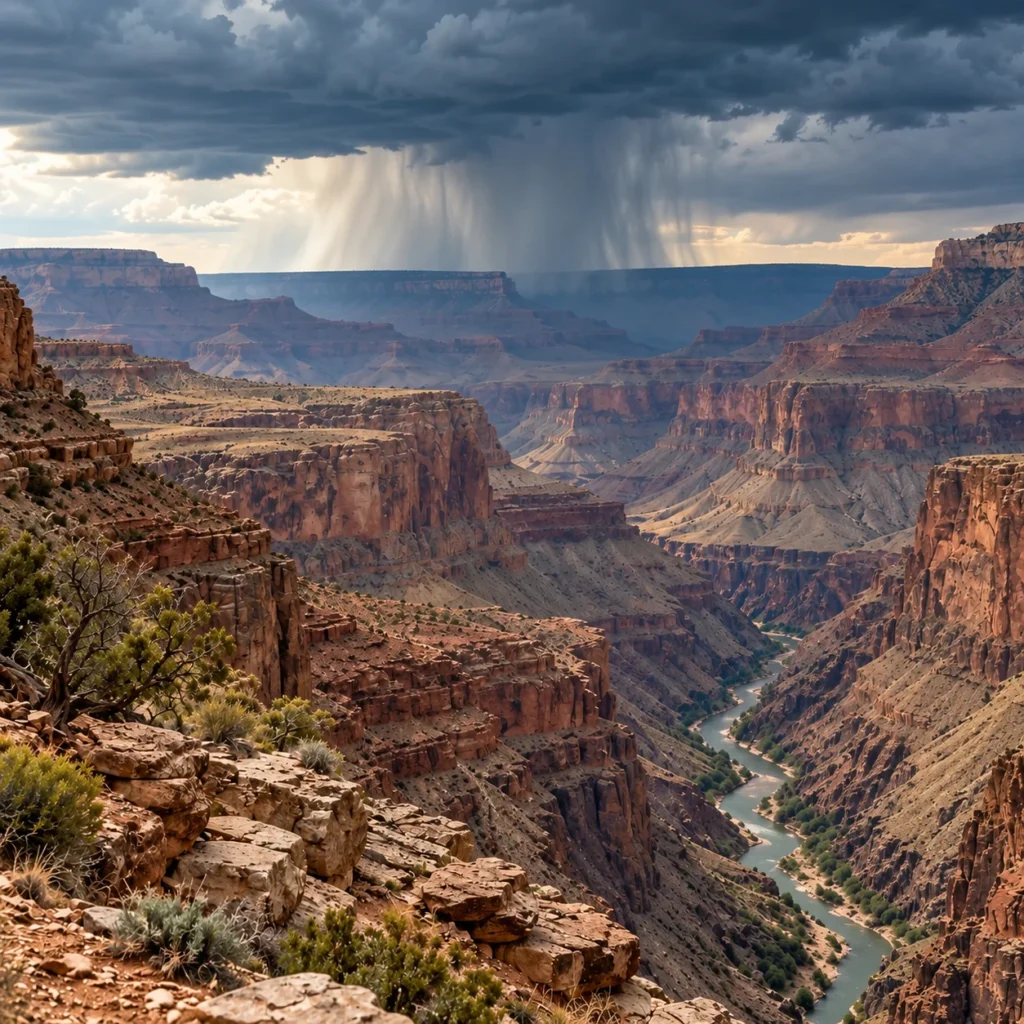
The August 2026 Grand Canyon flash flood exposes the limits of familiar campsites, warning systems, and last-minute escape plans. Jason Marsteiner’s original analysis is followed by verified updates, practical safety lessons, and a remembrance of John Giusti, Brent Rosenkranz, and Timothy Allen Smith.
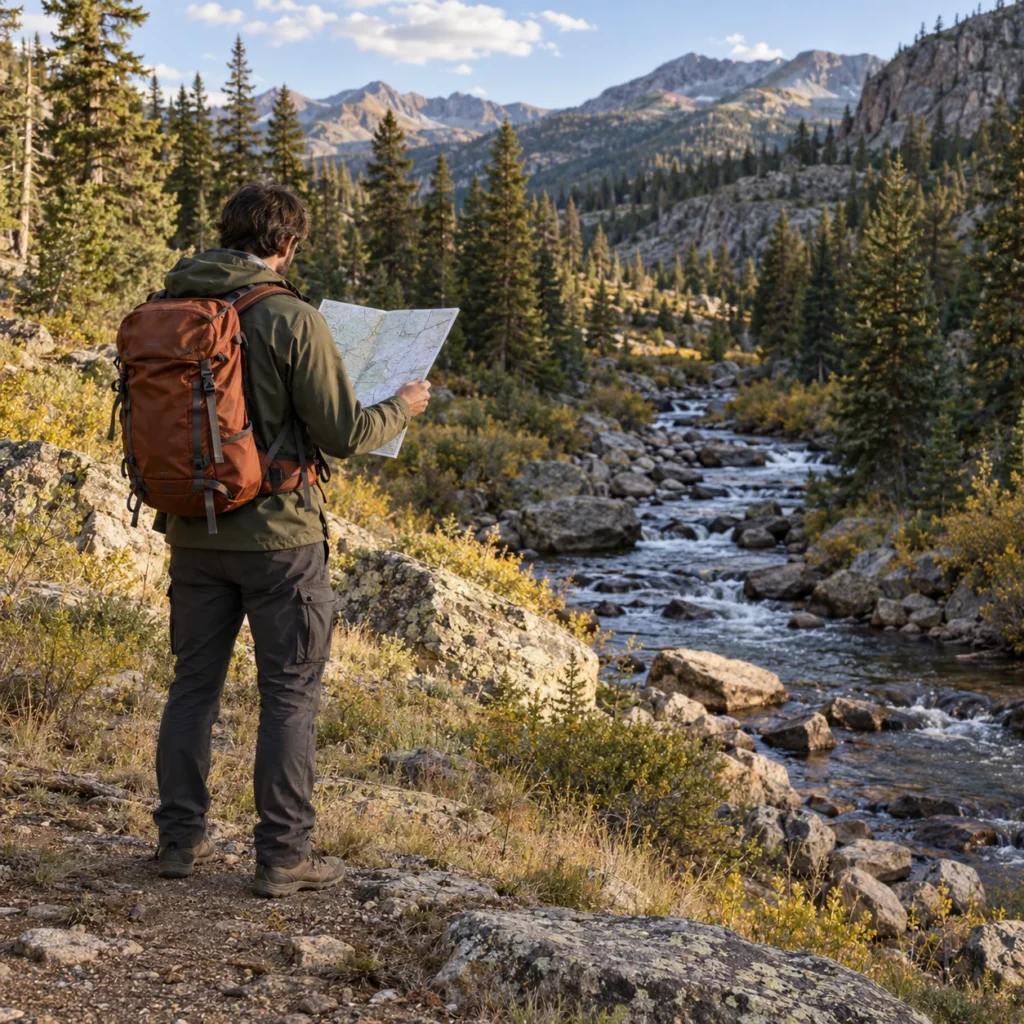
Following a river can feel like a way out when you are lost, but downstream does not guarantee a safe route or nearby help. Learn how to assess terrain, crossings, weather, daylight and your remaining energy, and when a mapped waterway can actually help you navigate.
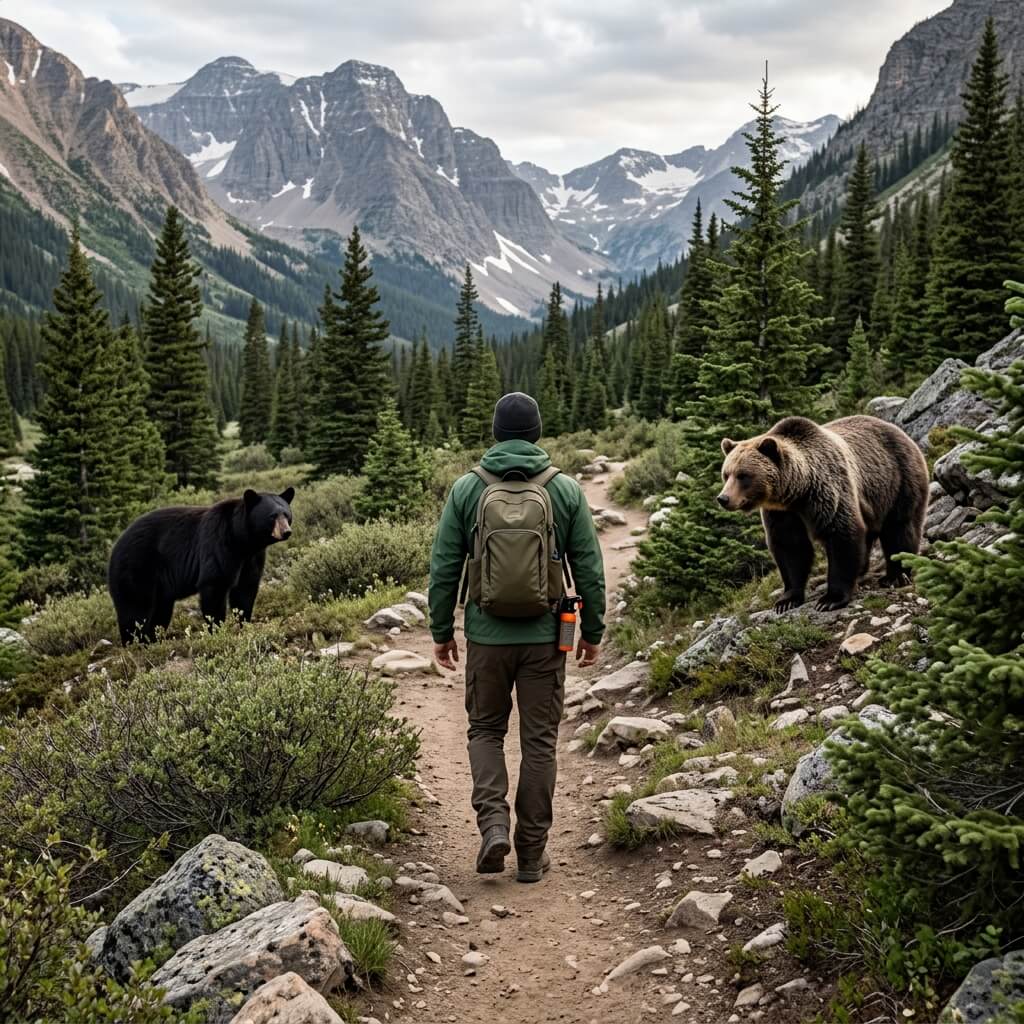
Bear advice is often reduced to simple rules, but real encounters are rarely that clean. This article breaks down the difference between black bears and grizzlies, how defensive and predatory behavior change the response, and why tools like bear spray only help when they are carried, practiced, and understood. It also covers cubs, seasonal behavior, wind, terrain, bear sign, dogs, and the common mistakes people make when fear takes over.
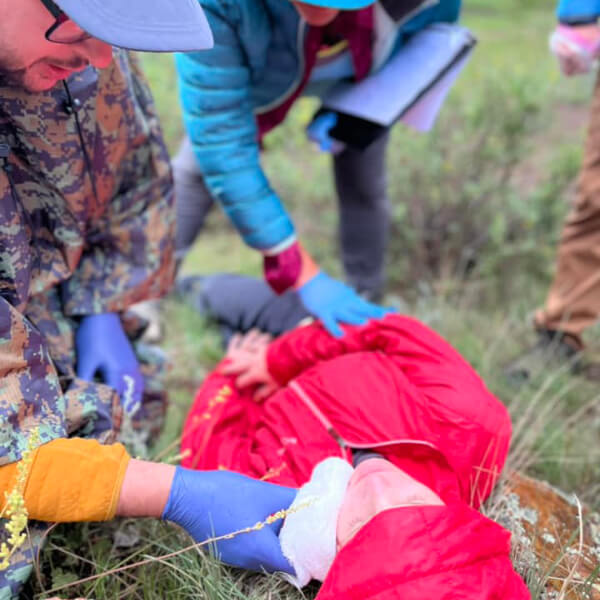
This article breaks down how to assess and manage injuries when something goes wrong in the backcountry using real-world, practical methods. You will learn how to think through a situation, prioritize what matters, and take action with limited resources. Whether you are on a trail, on the road, or at home, these are skills that help you step in with confidence instead of standing by.
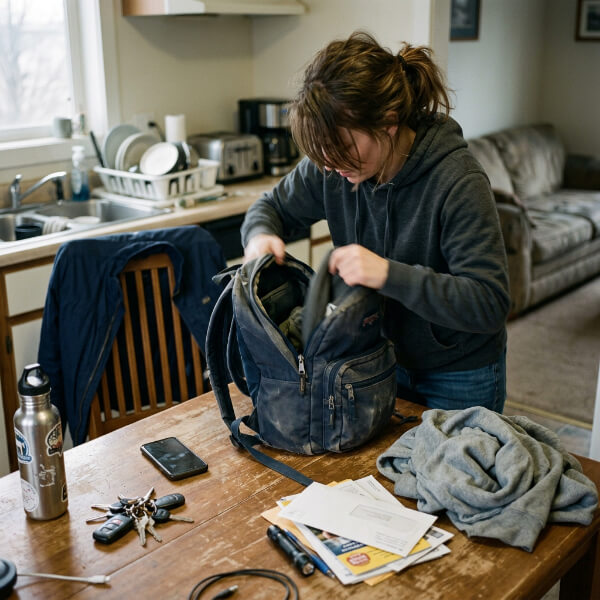
Wildfire season gets people thinking about leaving fast, but most wait until it is already unfolding to figure out what to do. When that happens, people panic, overpack the wrong things, and realize they do not have a plan. This breakdown focuses on what you are going to need when you have to leave and do not know when you are coming back.