Cart
Sub-Total: $0.00
Price range: $245.00 through $600.00
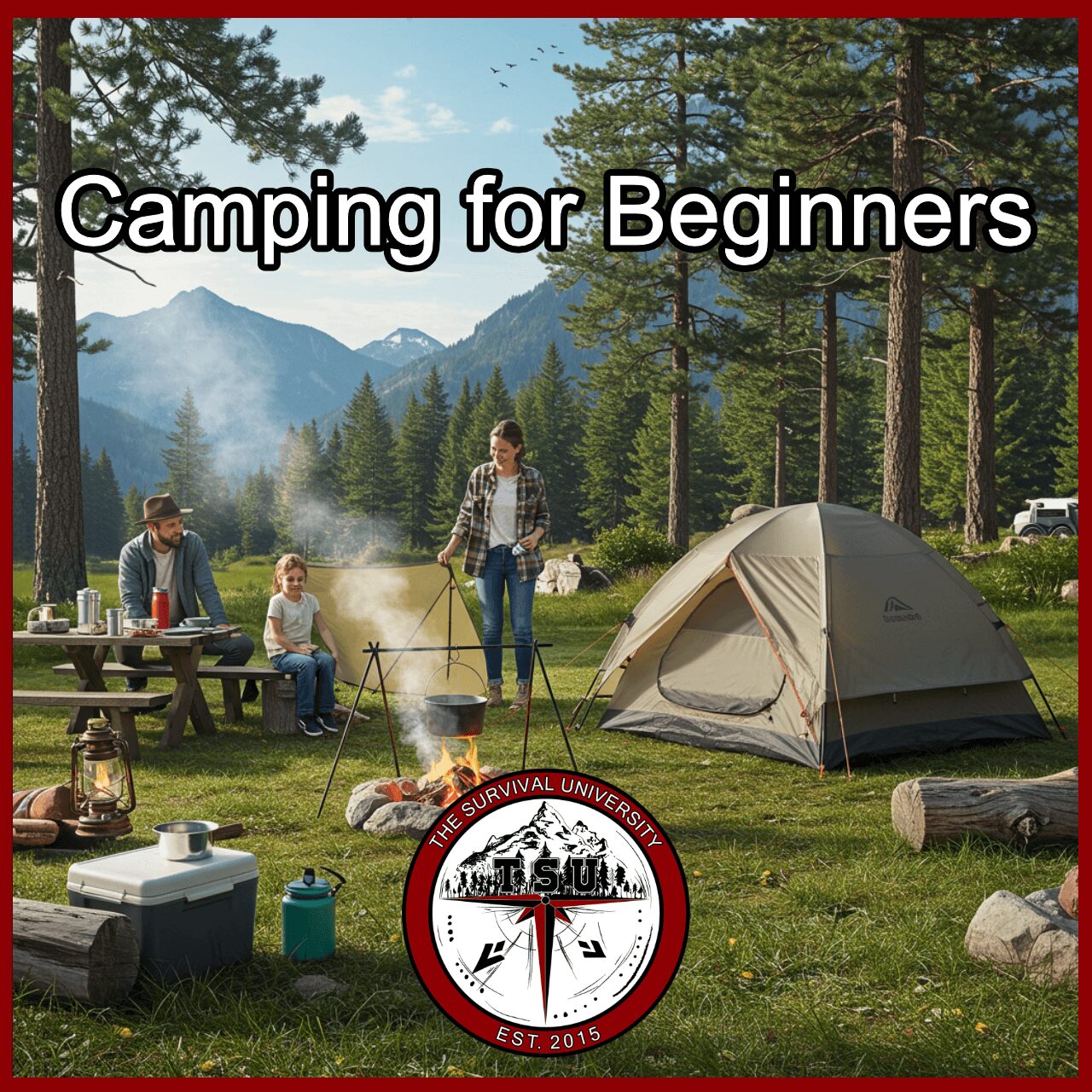
Learn the basics of camping in a fun, hands-on weekend. From setting up a tent and cooking simple meals to staying comfortable and safe outdoors, this course gives you the confidence to plan and enjoy your own camping trips. Perfect for first-timers or anyone who wants to brush up on the essentials.
Have you ever wanted to go camping but didn’t know where to start? Maybe you’ve never set up a tent before, or you’re not sure what gear you really need and what you can skip. This course is designed to take the stress out of camping and give you the confidence to get outside and enjoy Colorado’s outdoors.
You don’t need to buy expensive equipment to attend. If you already own a tent, bring it. If not, we’ll provide one. The goal of this course is to show you how to camp comfortably without wasting money on unnecessary gear.
Over two days, we’ll cover all the fundamentals in a simple, hands-on way:
• Choosing a good campsite (campground or dispersed)
• How to set up and take down a tent
• Sleeping options: pads, bags, blankets, and comfort strategies
• Building and tending a safe campfire
• Cooking simple meals outdoors
• What to pack (and what NOT to buy)
• Basic camp safety, etiquette, and wildlife awareness
• How to make camping enjoyable for families, couples, or solo trips
This isn’t a survival course — it’s about learning how to camp comfortably and confidently. You’ll leave with the skills to plan your own trip, avoid common mistakes, and enjoy your time outside.
• Welcome and introductions
• How to choose a campsite (campground vs. dispersed)
• Hands-on practice: pitching tents and setting up camp
• Sleeping systems explained: pads, bags, blankets, hammocks, and comfort tips
• Camp kitchen basics: stoves, cookware, and safe food storage
• Dinner together: cook a simple camp meal as a group
• Campfire building and safety
• Relaxation and community around the fire
• Breakfast outdoors
• Packing and organizing your gear so it’s easy to manage
• Staying comfortable: clothing, layering, and managing weather
• Camp safety: wildlife awareness, Leave No Trace, and campground etiquette
• Day hike basics: what to carry and how to prepare
• Lunch in camp
• Breaking down camp and packing efficiently
• Final Q and A: planning your first trip with confidence
If students do not wish to camp with us, the town of Cripple Creek is a short 15 minute drive from our location and Woodland Park is 30 minutes away. Students will be responsible for making their own reservations with nearby hotels. We do have a central community campfire location with a few designated campsites but mostly offer dispersed camping. Students will be able to drive their car within 100 feet of the main camp and will not have to hike gear long distances.
Water will be provided but students will need to bring their own food. We recommend quick field expedient meals such as freeze dried hiking meals or MRE’s. They can quickly be made at our primitive camps and won’t slow down the learning process. However, students may bring any food that they wish to cook over the campfire or on their own personal camp stove.
Food can be purchased locally at nearby facilities. Walmart and several local eateries are within a reasonable driving distance.
This is a beginners camping course, so you do not need to show up with a lot of gear. If you already own a tent, feel free to bring it. If not, we will provide one for you so you do not need to buy anything. The goal of this class is to help you learn to camp without being pressured into unnecessary purchases.
Please bring:
• Sleeping bag if you already have one, or warm blankets from home (bring as many blankets as you want)
• Sleeping pad if you own one (optional)
• Weather appropriate clothing (dress in layers)
• Sturdy shoes
• Refillable water bottle
• Personal toiletries
• Any snacks or food you want
• A camp chair if you already own one (optional)
We will provide:
You do not need to purchase new equipment to attend this course. We will walk you through what is worth buying later and what most beginners waste money on.
Warm outdoor clothing, warm gloves and hat, outdoor boots and wool socks. Cotton clothing is highly discouraged in the mountains! Wool will keep you warm even when wet and synthetics will dry faster. Layers are important in Colorado. You will want a water wicking base layer, an insulating mid layer, and a waterproof breathable outer shell. Check out our Clothes Layering Basics if you are unsure of what to wear.
Due to the different levels of prior experience and knowledge among students in each class, individual outcomes may vary. Weather conditions can also be a factor in changing class content slightly. Nonetheless, our instructors will always endeavor to be as accommodating and consistent as circumstances will allow to ensure students get the best training experience and value for money.
-
Select options This product has multiple variants. The options may be chosen on the product page
-
Select options This product has multiple variants. The options may be chosen on the product page
-
Select options This product has multiple variants. The options may be chosen on the product page
-
Select options This product has multiple variants. The options may be chosen on the product page