Cart
Sub-Total: $0.00

$495.00
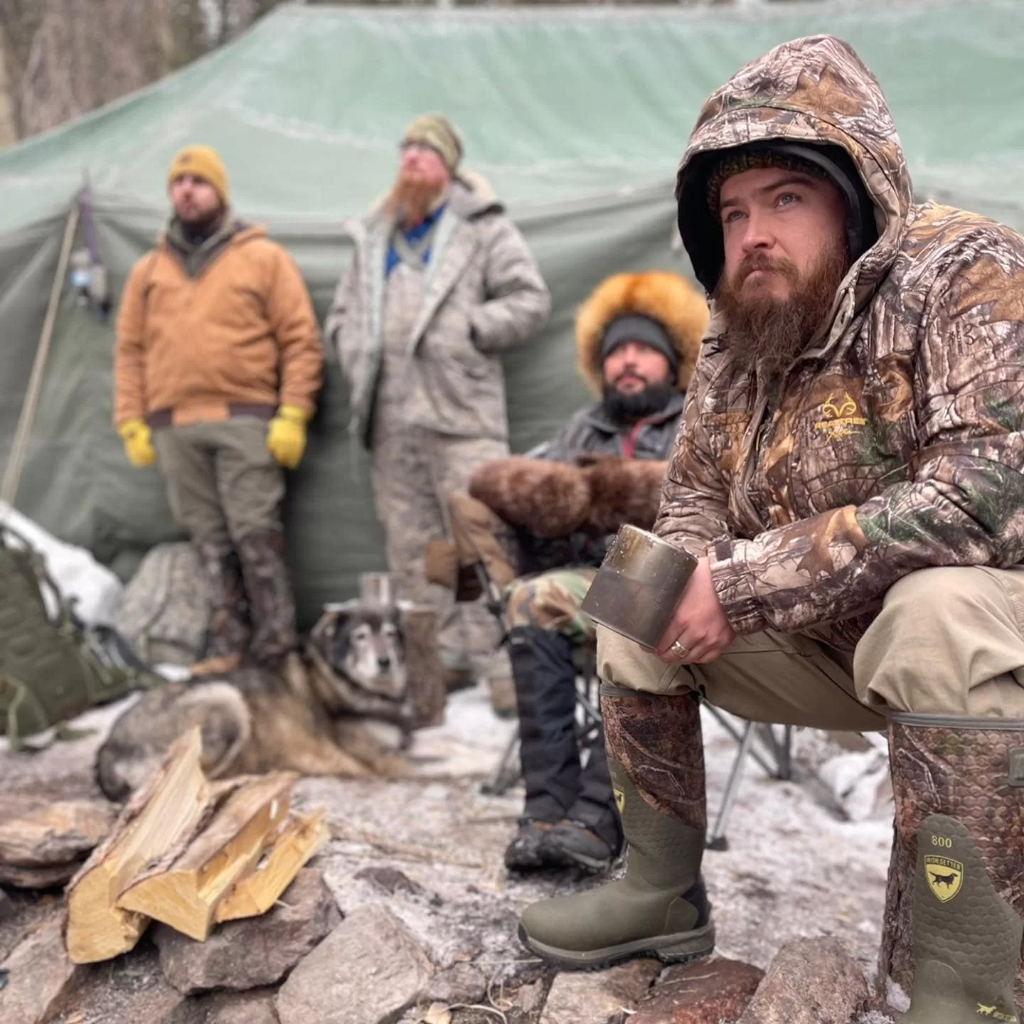
Set in the Colorado mountains during late winter, this intermediate course explores what outdoor skills look like when cold is the constant. Participants will build shelters, start fires, make water, and practice signaling in real winter conditions. This course emphasizes decision making, energy management, and working with the environment rather than against it.
Late March in the Colorado mountains is a strange season. The calendar says spring, but at 9,500 feet winter is still very much in charge. Snow lingers in the shade of the trees. The ground holds cold. The wind has a way of showing up just when you thought things were settling down.
That is the environment this course lives in.
This winter field course is designed for people who already have some time outdoors and want to understand what those skills look like when cold becomes the constant. If you are newer, you can still attend, but it is important to understand that winter changes everything.
Simple tasks take longer. Small mistakes matter more. Comfort is temporary and has to be earned.
We begin by slowing things down and getting grounded. Day one focuses on preparedness and mindset, not in a gear checklist sense, but in understanding how cold actually works.
We look at how the body loses heat, how exposure affects thinking and movement, what happens when dexterity starts to fade, and how clothing choices influence outcomes in winter environments.
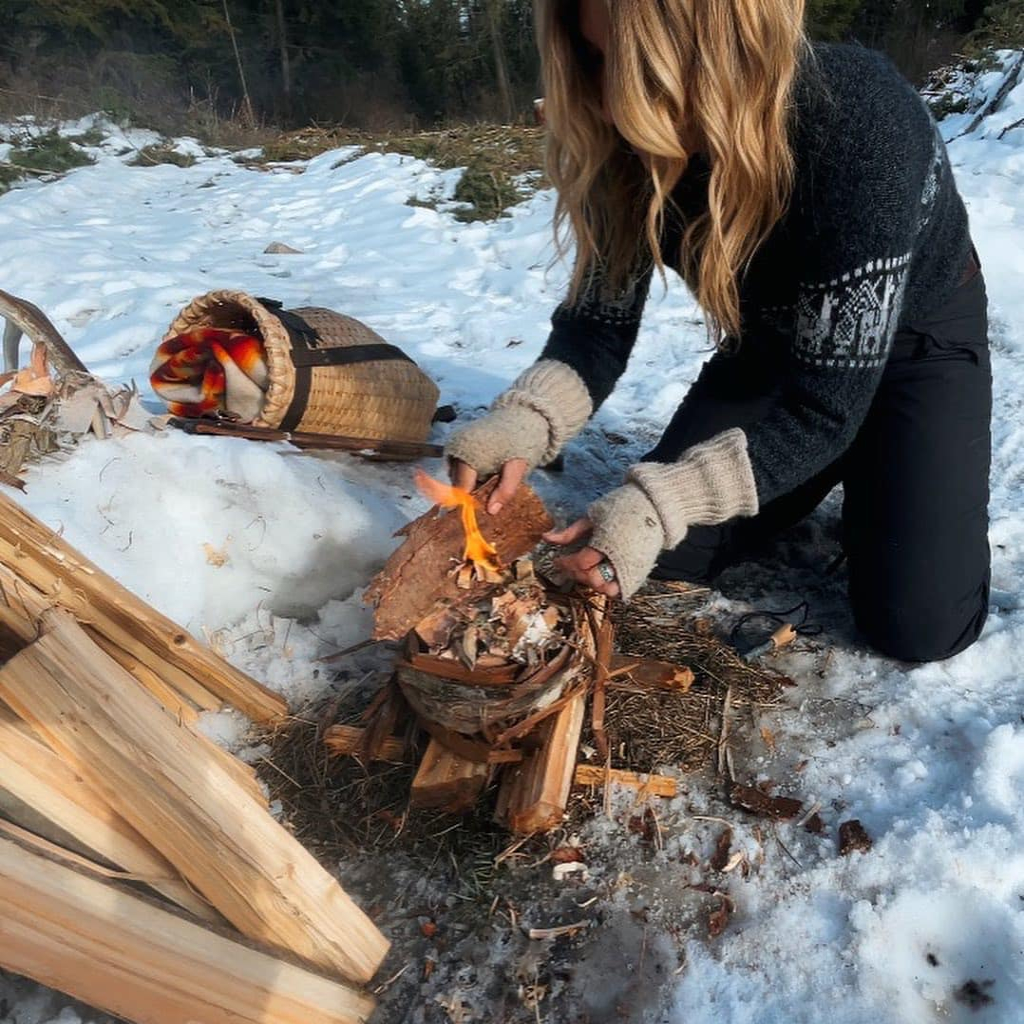
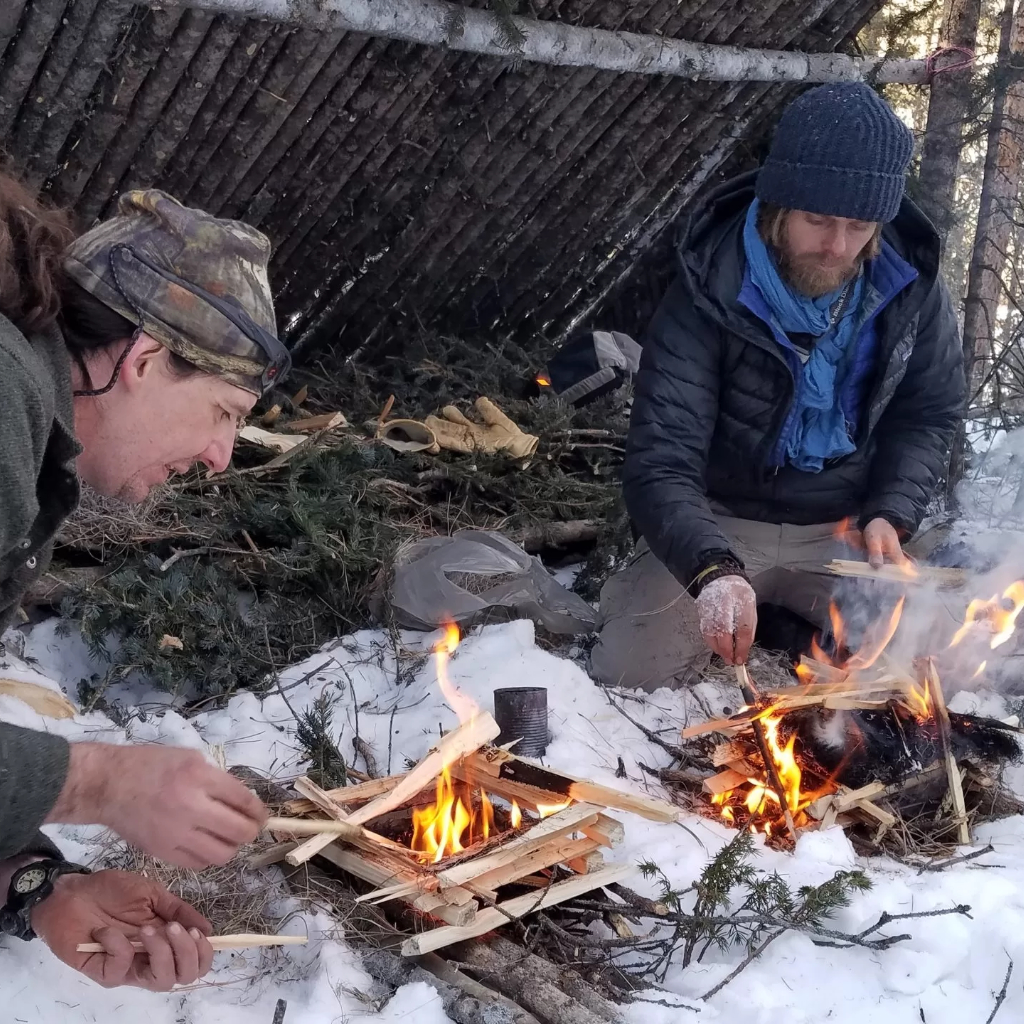
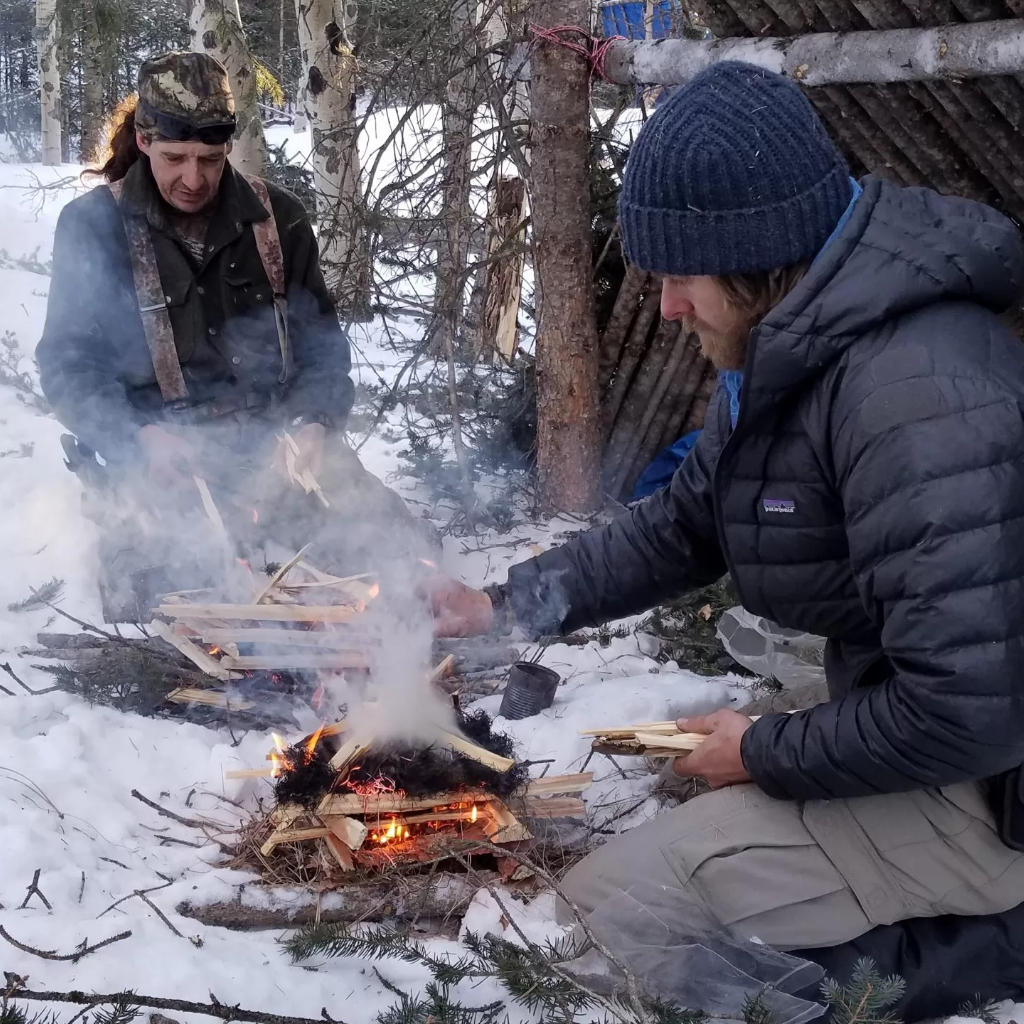
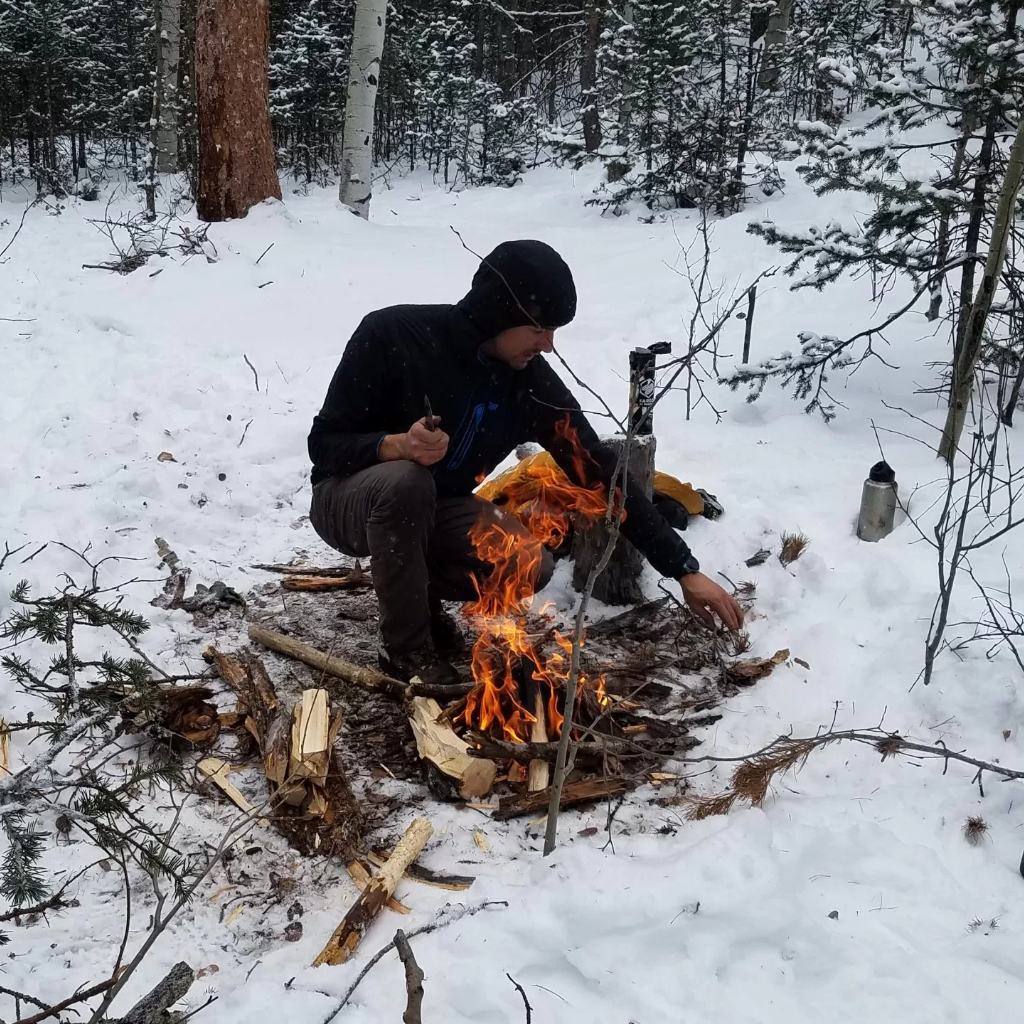
From there we move directly into fire. Cold weather fire is not about style points. It is about doing the basics well when your hands are stiff and the conditions are working against you.
Day two shifts toward shelter and sustainability. Winter shelter is not about building something impressive. It is about building something that works with the terrain, the snow, and the time you have.
We explore fast options, improved options, and shelters that can carry you through longer periods. Along the way we work with water processing in freezing conditions, because dehydration is easy to miss in cold environments and hard to recover from once it catches up to you.
We also cover signaling. Knowing how to stay warm matters, but knowing how to be found matters just as much.
From there, the course moves into a field training exercise where the learning becomes personal.
You will apply what you have been working on by building shelter, producing fire, and making drinkable water in real winter conditions. There is no script. The environment sets the tone, and the lessons come from doing the work.
The second day in the field expands the problem set. We look at practical food related skills as training demonstrations and focus on signaling and decision making. The emphasis is not on pretending to be stranded. It is on learning how to think ahead, manage energy, and make choices that keep options open when conditions are cold and resources are limited.
This course is not about proving toughness or collecting stories. It is about understanding winter on its terms and learning how to function calmly and deliberately when the margin is thin.
You will leave with a clearer sense of what matters, what does not, and how to take care of yourself and the people around you when cold becomes the defining factor.
If you are ready to spend a few days learning what winter really asks of you, this course will meet you there.
Cold weather preparedness and mindset
Heat loss and exposure awareness
Dexterity loss and performance in cold
Clothing systems for winter environments
Cold weather fire starting
Winter shelter building
Hasty, improved, and longer term shelters
Water processing in freezing conditions
Hydration management in cold weather
Signaling for rescue in winter terrain
Field decision making under pressure
Energy management and problem solving in snow
Participants are welcome to camp on site or stay off site if they prefer. We offer a central community campfire area with a limited number of designated campsites, along with dispersed camping options in the surrounding area.
For those who prefer not to camp, the town of Cripple Creek is approximately 15 minutes away, and Woodland Park is about 30 minutes away. Students are responsible for arranging their own lodging if staying off site.
Vehicles can be driven to within approximately 100 feet of the main camp, and there is no requirement to hike gear in over long distances.
A portable restroom and potable water will be available at the main camp area.
Students are responsible for bringing their own food. We recommend simple, field friendly meals such as freeze dried backpacking meals or MRE style options that can be prepared quickly and easily. Students are also welcome to bring food they prefer to cook over a campfire or personal camp stove.
Additional food and supplies can be purchased locally. A grocery store and several dining options are available within a reasonable driving distance.
This is a field based course, and conditions such as weather and group experience levels may influence the flow of training. Instruction will always adapt to the environment and the group while maintaining the intent and focus of the course.
Start Time: 9:00 AM
Check in begins at 8:00 AM
End Time: 5:00 PM daily
Length: 4 days / 3 nights
Students are responsible for bringing their own personal gear. Gear does not need to be purchased from us to attend the course.
Fixed blade knife (full tang preferred, no serrated edge)
Ferrocerium rod
Folding hand saw
Base plate compass
Small backpack
Outdoor clothing appropriate for winter conditions
Appropriate winter footwear
Poncho or rain gear
Shemagh, large cotton scarf, or bandana
Leather work gloves
Sunscreen
Sunglasses
Insect repellent
Overnight camping gear (tent, bivy, or similar)
Sleeping bag appropriate for cold temperatures
Sleeping pad or yoga mat
Tarp or SOL emergency blanket
New Bic lighter
Headlamp or flashlight
Extra batteries
Signal mirror (credit card size)
Emergency whistle (non metal)
Glow sticks
Single wall metal canteen
Metal nesting cup
Nalgene or similar plastic water bottle
Sawyer Mini or similar water purifier
Cooking pot
Eating utensils
100 ft of 550 paracord
5 contractor sized trash bags
Notebook
Pencil
-
Select options This product has multiple variants. The options may be chosen on the product page
-
Select options This product has multiple variants. The options may be chosen on the product page
-
Select options This product has multiple variants. The options may be chosen on the product page
-
Select options This product has multiple variants. The options may be chosen on the product page