Cart
Sub-Total: $0.00
30 min read
January 10, 2026
A direct response to a petite, active 69-year-old grandma in Oregon who still hikes, backpacks, and treks alone. And to everyone else who chooses to go solo.
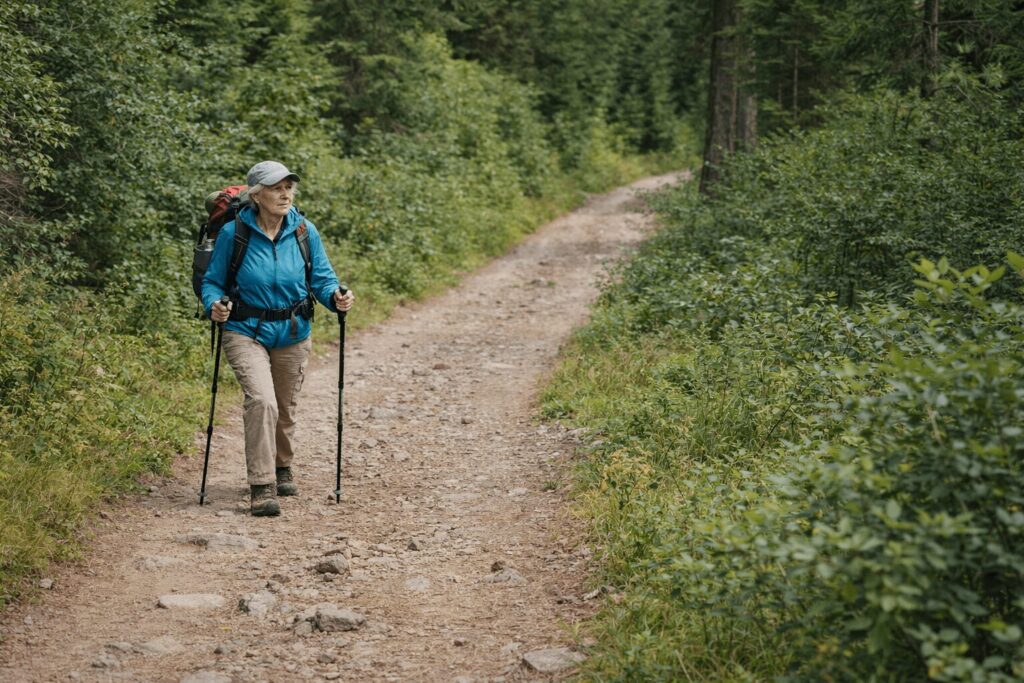
I get messages like this one more often than you might think. Here is the one that finally pushed me to sit down and write a full post on the topic:
“Could you write a book or a blog sometime about solo adventuring? I would especially love a chapter or a post dedicated to older women on solo hikes, backpacks, or treks. I am a petite, active 69 yo Grandma and retired teacher in Oregon. Thank you.”
That message landed in my inbox without any drama or plea for reassurance. It was straightforward, confident, and coming from someone who is clearly still out there doing the thing. There was no asking if it was “safe” or whether she “should” still be going alone. It was simply a request for real, useful information. I respect that kind of approach deeply because it matches how I try to handle these topics.
Most people do not choose solo adventuring because they want to prove they are tougher than everyone else or because they crave some extreme test of independence. They choose it for practical reasons. Schedules never seem to line up with friends or partners. People flake at the last minute. Life gets overwhelmingly busy. Waiting around for the perfect group often means the trip never happens at all. Sometimes the solitude itself is the entire reason for going.
Out there alone, the constant noise of daily life drops away. Decisions become simpler and more direct. You move at exactly your own rhythm without compromise. You notice details in the landscape or wildlife that conversation tends to drown out. Many people report thinking more clearly when they are solo outside and acting more honestly because there is no audience to perform for or impress.
Going solo is not some trendy modern rebellion against society. Humans have been heading out alone into wild places for thousands of years, whether for hunting, gathering, spiritual reasons, or simple exploration. What has changed is the way we talk about it now.
Social media and news cycles swing wildly between two extremes. One side romanticizes solo travel as the ultimate expression of fearless self-reliance. The other condemns it as inherently reckless and irresponsible, especially for certain demographics. Neither extreme gives you a clear picture.
This post aims for the middle ground where actual life happens and safety lives. That means acknowledging real risks, providing data that puts them in perspective, offering practical ways to manage them, and explaining why, when done deliberately, solo adventuring can be one of the most responsible and rewarding ways to spend time outside.
Fear operates on its own logic, and that logic rarely aligns with statistical reality. It latches onto threats that feel dramatic, visually intense, primal, or completely outside our control. A story about a solo hiker encountering a predatory stranger or suffering a violent wildlife attack spreads instantly across headlines and social feeds because it hits those nervous system buttons hard.
On the other hand, a solo hiker who slips on wet rock, breaks an ankle, and requires a costly rescue rarely makes the news unless there is something else sensational about it. Hypothermia from underestimating a cold front or dehydration on a hot day almost never goes viral. Those incidents are too ordinary, too preventable, and frankly too boring to capture widespread attention.
This phenomenon is known as availability bias in risk perception studies. We overestimate dangers that come with vivid, memorable stories and underestimate the mundane ones that happen quietly every single day. When you add the solo element, that fear gets amplified further because there is no group to distribute responsibility across. Everything, from route decisions to pace to emergency response, falls entirely on your shoulders.
That concentration of accountability can feel heavy and intimidating, especially when combined with online horror stories or well-meaning warnings from concerned friends and family. It is easy to spiral into paranoia about all the things that could go wrong when no one else is there to help.
The problem is that feeling scary does not automatically make something dangerous in practice. Emotions are a poor guide for risk assessment. The actual data on outdoor incidents paints a very different picture, one where dramatic threats are extraordinarily rare and everyday hazards remain the same whether you hike alone or with ten people. What solo changes is not the existence of danger, but the speed at which small problems can become big ones if they are ignored. That is the lever solo travelers must manage.
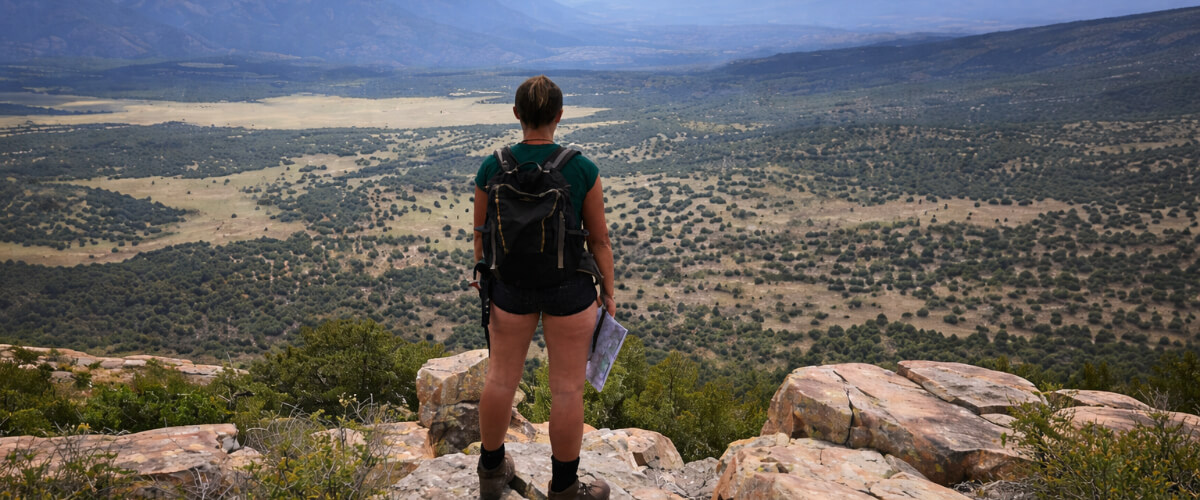
First, let’s establish a baseline. Hiking and backpacking, even solo, are remarkably safe compared to almost any other activity people routinely do. National Park Service mortality reports covering 2007 through 2023 document thousands of deaths across all park activities, but when you divide that by hundreds of millions of annual visits, the per-person risk comes out tiny. Recent analyses put the odds of dying during a national park visit at roughly1 in 800,000. For context, your drive to the trailhead is statistically far more dangerous.
When you narrow it down to hiking-specific fatalities, the numbers stay low. Across the entire United States, including national forests, state parks, and other public lands, hiking-related deaths typically fall in the low hundreds per year. Compare that to broader unintentional injury statistics. Falls alone kill over 47,000 Americans annually. Drowning claims more than 4,000 lives. Heat and cold exposure add thousands more. Hiking deaths represent a minuscule fraction of those totals.
Now bring in the solo factor. Solo hikers do appear disproportionately in search and rescue data. Various SAR databases and studies show that solo travelers account for 50 to 60 percent of lost person incidents, despite making up a much smaller percentage of overall hikers. That makes sense intuitively. When you are alone and something goes wrong, there is no one else to notice, correct course, or initiate help immediately.
However, solo status does not appear to dramatically increase fatality rates across the board. The higher representation in rescues comes more from delayed response times than from inherently worse incidents. Gender trends reveal some interesting patterns. Men initiate approximately 80 percent of wilderness search and rescue calls and account for about 79 percent of fatalities in national parks and on trails.
Women, on average, tend to make more conservative decisions. They turn around sooner when conditions deteriorate, prepare more thoroughly for weather and navigation, and generally avoid pushing into unnecessary risk. One large SAR dataset analysis found that when women do require rescue, their survival rates tend to be higher than men’s in comparable situations.
Age demographics show a clear shift as well. Visitors aged 45 and older account for more than half of all park deaths. The 55 to 64 age bracket often has the highest per capita rates, driven largely by cardiac events triggered during strenuous hikes. Over 65, raw numbers drop because fewer people in that group attempt demanding trips, but the risk per participant rises modestly due to slower recovery, reduced balance, and other physiological changes.
Finally, the threat that dominates most solo discussions, especially for women, is interpersonal violence. The data here is unequivocal. Violent crime in true backcountry settings is extremely rare. The Appalachian Trail provides the most comprehensive long-term dataset because of its popularity and community tracking. Since the trail’s modern era began in the 1970s, with tens of millions of cumulative hiking days, there have been roughly 11 to 12 murders total. That averages out to about one every four to five years. Non-fatal assaults occur at similarly low rates, around one reported per year, and sexual assaults even less frequently.
Your probability of encountering violent stranger crime on a major long trail is orders of magnitude lower than in urban parks, college campuses, or even many suburban neighborhoods. In summary, solo adventuring carries no evidence of being a high-risk pursuit. The sensational threats that fuel most fears are statistically negligible. The hazards that actually drive incidents and fatalities remain the same predictable ones, and being alone primarily affects how quickly you can respond rather than how likely the hazard is to occur. This distinction matters because it tells you where to invest your energy. Preparing for rare, cinematic dangers feels productive, but preparing for boring, repeatable risks is what actually keeps people alive.
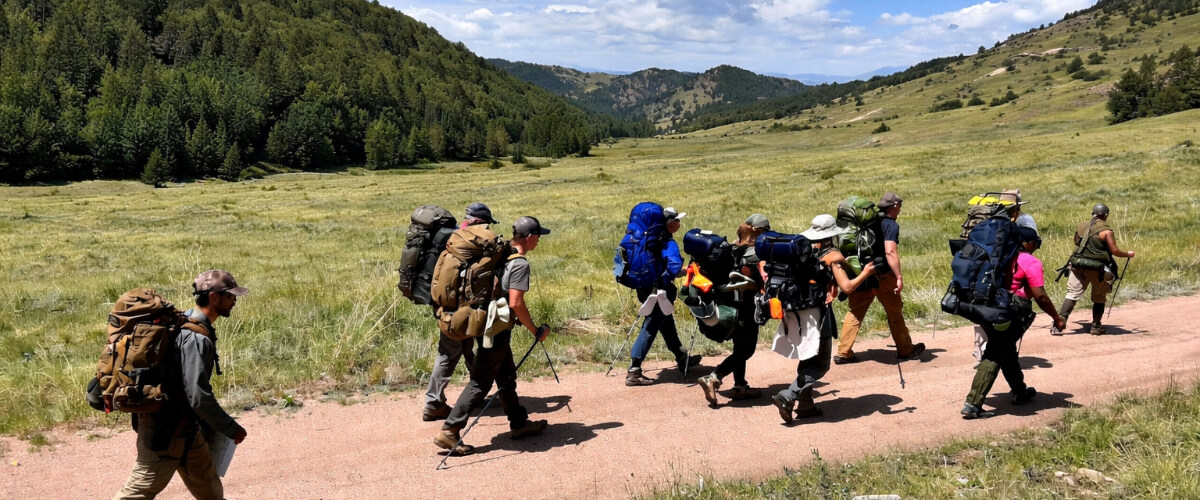
The Boring Killers Are Still the Killers. Just With Less Room to Recover
The incidents that most frequently injure, require rescue for, or kill outdoor travelers are almost comically consistent year after year. Falls from slips on loose rock, wet roots, snow, or ice. Medical events like heart attacks or strokes triggered by exertion. Getting lost or becoming benighted overnight. Exposure to extreme weather leading to hypothermia or heat illness. Water-related mishaps such as drowning during crossings or flash floods.
National Park Service annual reports rank motor vehicle crashes on park roads, drownings, and falls as the top unintentional causes of death. Medical fatalities frequently occur during physical activities like hiking or climbing. These patterns hold across broader datasets from national forests, state parks, and search and rescue organizations nationwide.
Being solo does not meaningfully increase the likelihood of these events happening. A slip on icy trail happens the same way whether you are alone or in a group of six. A cardiac event strikes based on your health and exertion level, not your party size. Weather deteriorates independently of how many people are watching the sky.
What solo does change is the room for error and the timeline for recovery. In a group, a fall means someone can stabilize the injury, provide first aid, share gear for warmth, or hike out for help. Alone, you must manage initial treatment yourself and either self-evacuate or activate a beacon and wait. A medical event alone removes the possibility of immediate assistance, but it is worth being clear about what that actually means. In true backcountry settings, CPR is rarely a solution. It can only be sustained for a very short time, and unless advanced care arrives quickly, outcomes are almost always the same whether someone is present or not. Getting off route alone eliminates the chance for group cross-checking of navigation or shared decision making. Bad weather alone means no one to huddle with for warmth or redistribute pack weight.
The risks stay ordinary. The consequences can escalate faster without built-in redundancy. That reality is why preparation, conservative mindset, and reliable communication tools become even more important when you travel solo. Solo does not punish mistakes more harshly. It simply removes buffers. That psychological shift matters.
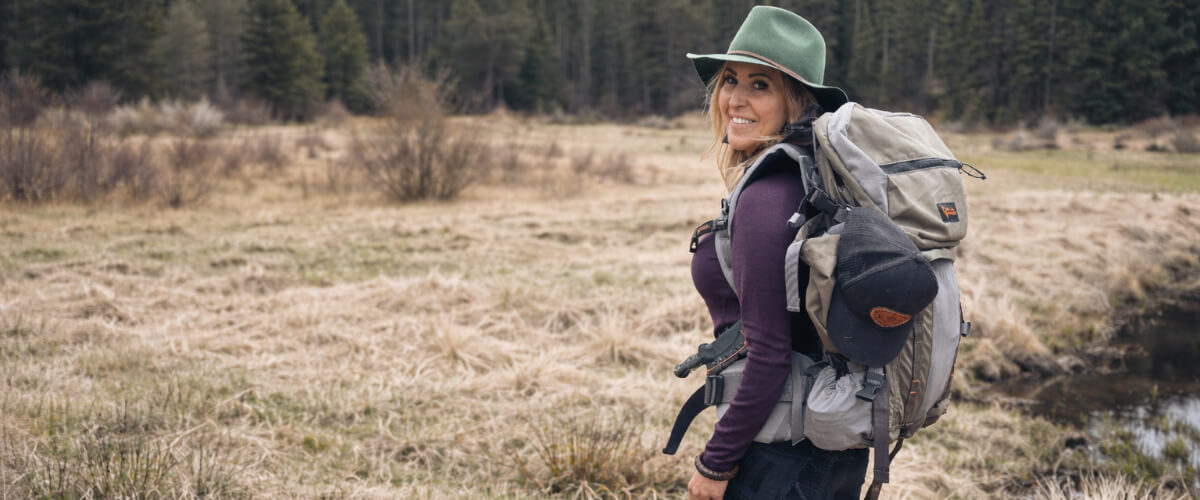
Interpersonal threats dominate the conversation around solo travel, particularly when women are involved. Questions about stranger danger, creepy encounters, harassment, or assault come up constantly, often fueled by high-profile cases that make the rounds online. The concern is legitimate in principle. No one should dismiss it out of hand.
However, the actual probability in remote wilderness settings is massively lower than most people assume, and it gets overhyped relative to the everyday hazards that dominate incident reports. Violent crime statistics in backcountry areas remain consistently rare across all tracked datasets. The Appalachian Trail example is instructive. Eleven murders over more than fifty years despite millions of users. Other major trails and wilderness areas show similar patterns.
Outdoor industry experts and search and rescue professionals who monitor these incidents year after year report that stranger-perpetrated violence deep in the backcountry is far less common than in urban or suburban environments. Most people problems that solo travelers actually encounter are not violent at all. They tend to be awkward interactions, annoying behavior, occasional verbal harassment, or uncomfortable vibes.
These situations are unfair, exhausting, and unacceptable. Let me be very clear about that. Harassment, intimidation, and predatory behavior are not excusable simply because they stop short of physical violence. They should not be normalized, tolerated, or dismissed, and men need to do a far better job of policing their own behavior and calling it out when they see it. None of this is being downplayed here.
The point is not that these encounters do not matter. It is that they are not unique to wilderness travel, and they do not suddenly become more likely simply because a woman is alone on a trail. The same dynamics exist in cities, neighborhoods, parks, workplaces, and campuses. In fact, the data consistently shows that true remote backcountry environments see far less escalation than crowded front-country areas where anonymity, alcohol, and density increase bad behavior.
Acknowledging that reality allows solo travelers to allocate attention where it actually reduces risk, rather than living under the false belief that the wilderness itself is a uniquely dangerous place for interpersonal harm.
That does not mean ignoring people risks altogether. It means addressing them deliberately, with practical habits that lower an already small probability without turning the trip into a fear-driven exercise. Start at popular, well-used trailheads when possible. Camp well away from road-end access points where day users or partiers might congregate. Trust your intuition completely. If someone or a situation feels off for any reason, create distance immediately and decisively, even if you cannot articulate why.
Make your presence known while hiking through noise, talking aloud, whistling, or using trekking poles rhythmically so potential issues often resolve themselves when the other party realizes you are alert and not isolated. Carry a satellite communicator not out of fear but for independence. Share your detailed itinerary and expected return time with a trusted contact and stick to it religiously.
For women specifically, harassment does occur more frequently than for men and it is exhausting and unjust. However, the data shows it almost never turns violent in genuine backcountry. The real threats to your safety and enjoyment remain terrain, weather, navigation errors, and your own physical limits. Allocate your mental energy accordingly. One additional point that often goes unspoken is that solitude itself can sharpen awareness. Many solo travelers report being more observant, more decisive, and less likely to tolerate questionable situations when alone. That heightened awareness is an asset, not a liability.
Wildlife concerns deserve a quick mention because they follow the same overhyped pattern as people risks. Large mammals and predators that people worry about, including mountain lions, bears, coyotes, and moose do not suddenly become more aggressive or opportunistic simply because you are hiking alone. Animal behavior is driven by food availability, territorial boundaries, surprise, or perceived threat, not by how many humans are present.
Making normal human noise, keeping food properly stored, and following standard awareness practices work the same solo or in groups. Fatal wildlife attacks across North America remain in the single digits most years. Non-fatal encounters are more common but still rare enough to be newsworthy. Compare those numbers again to the hundreds of annual deaths from falls, medical events, or exposure and the priority becomes obvious.
One group that deserves a brief, specific mention here is trail runners. Moving quickly and quietly through terrain can change how some animals perceive you. Sudden movement can trigger chase or pursuit instincts in predators because it mimics prey behavior. That does not mean trail running is dangerous or that attacks are likely. They remain rare. It does mean runners should be more deliberate about awareness. Pay extra attention in low visibility areas, around blind corners, near dense cover, or where wildlife sign is present. Make noise when appropriate. Pay attention to what is ahead and behind instead of locking into pace and headphones. This is not an argument against running. It is an argument for staying mentally engaged while doing it.
Wildlife awareness matters, but it should not dominate your planning or fear cycle when going solo. If wildlife fear is the primary reason someone avoids solo travel, that fear is almost certainly disproportionate to the actual risk involved.

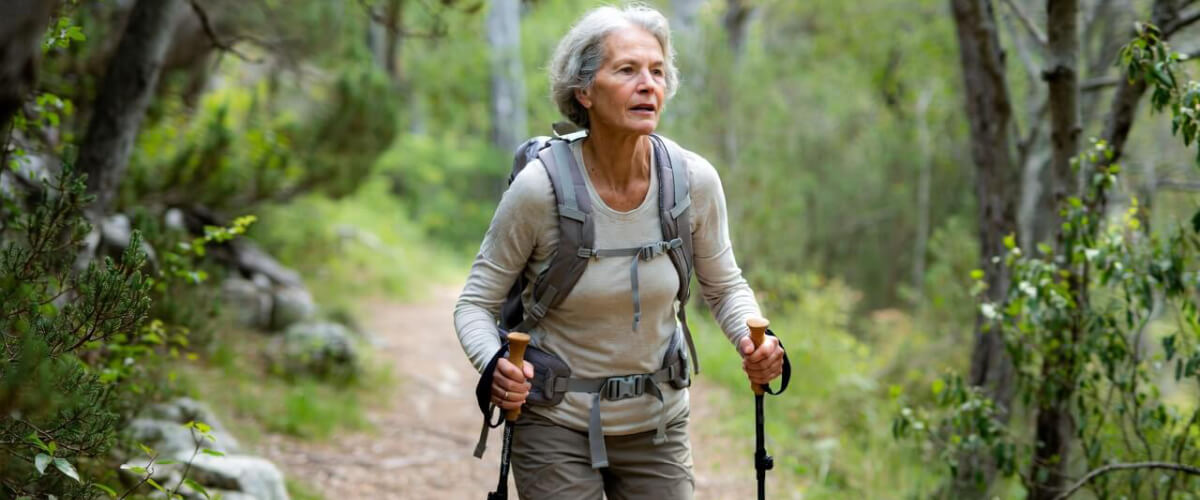
This section is written specifically for the 69-year-old retired teacher in Oregon who prompted the whole post and for every other adventurer over 55 who refuses to let age dictate their time outside. You deserve targeted, respectful information that acknowledges real changes without condescension or blanket prohibitions.
Bodies change as decades accumulate. That is simple biology, not judgment or weakness. Balance reflexes slow slightly and become less automatic. Recovery from exertion or minor injury takes longer. Bone density decreases, making falls more likely to cause fractures. Thermoregulation can shift, especially post-menopause for women, affecting how heat and cold feel and how quickly they become dangerous. Smaller stature or reduced muscle mass means pack weight hits harder relatively.
All of these factors are facts of physiology and pretending otherwise helps no one. The statistics reflect these shifts clearly. National Park Service data shows people 45 and older account for over half of all fatalities. The 55 to 64 bracket frequently has the highest per capita rates driven primarily by cardiac events during strenuous activity. Falls turn more serious after 60 because healing slows and complications rise.
Women in these age groups are increasingly visible on trails and thru-hikes, which is fantastic, but the data reminds us that room for error shrinks and decisions carry more weight. The good news is that thoughtful adjustments offset these changes dramatically, allowing experienced older adventurers to keep going solo safely and enjoyably.
Start with pack weight. Ruthlessly cut to a base under 20 pounds if possible. Every ounce removed buys energy and reduces joint stress. Trekking poles become non-negotiable tools. They cut knee loading by up to 25 percent on descents, improve stability on uneven ground, and provide immediate defensive options if needed.
Route selection matters more. Skip exposed scrambles or technically difficult terrain when solo, saving those for guided outings or group days. Turnaround times should be earlier and more firm. The peak or destination will still be there next season. A pleasant, controlled day at 69 beats a forced suffer-fest that risks real problems.
Monitor internal signals obsessively. Fatigue accumulates faster now. Thirst and hunger cues can dull. A minor chest twinge or unusual dizziness warrants immediate attention rather than pushing through. Plan shorter daily mileage than you might have ten or twenty years ago. Eight to ten miles with elevation gain often feels better and safer than trying to replicate old fifteen-mile days.
Hydrate and eat proactively rather than reactively. Carry reliable communication like a Garmin inReach or similar device. This is not an age-related accommodation. It is a baseline responsibility for anyone who travels regularly in remote terrain. It buys time and options for self-rescue or delayed response. Off-trail training pays huge dividends. Focus on balance exercises, lower body and core strength, and cardio that mimics loaded hiking.
Normalize conservative choices without ego. Turning back early, shortening a trip, or choosing easier alternatives is pure competence, not defeat. The most impressive older solo travelers I know are not the ones grinding out huge miles to prove youth. They are the ones making calm, ego-free decisions that keep them coming back healthy year after year.
To the grandma who wrote in, you have already navigated classrooms full of kids, decades of life demands, and everything else that comes with being a woman in this world. The trail remains yours on whatever terms you choose. Honor the body and experience you have today, play the long game, and keep getting after it. You are not the exception proving some rule. You are the example many others need to see.
One additional reality worth stating plainly is that aging does not remove capability, but it does reward foresight. Older solo travelers who plan exits, bailout routes, and contingency days ahead of time dramatically reduce the chance of compounding problems.
Gear extends capabilities. Fitness provides baseline capacity. Experience supplies pattern recognition. Mindset determines whether you come home safely or become a statistic.
Solo travel removes social buffers that groups naturally provide. No one talks you into continuing when you should stop. No one pushes you past sensible limits to keep pace. Conversely, no one talks you out of dumb ideas either. That stripped-down dynamic demands a level of radical self-honesty most people rarely practice in daily life.
The strongest solo adventurers I have observed over years are almost universally conservative in their approach. They make boring decisions repeatedly and without apology. They turn around well before conditions become desperate. They rest when fatigue appears rather than treating it as a challenge to overcome. They adjust ambitious plans downward without shame or narrative about failure. They treat small physical signals as legitimate data rather than inconveniences to ignore.
Common mindset traps that lead to incidents include pushing harder to prove you still have the capability you did years ago, negotiating with deteriorating weather because the map shows you are almost there, dismissing gut-level discomfort as irrational paranoia, or committing to a rigid itinerary that leaves no flexibility for reality. Solo strips away excuses and forces confrontation with these tendencies.
Competence in solo travel looks quiet and undramatic from the outside. It manifests as consistent conservative choices that prevent situations from ever reaching crisis level. Cultivate that mindset above all else.
A useful mental exercise for solo travelers is to ask one simple question repeatedly throughout the day. If this gets worse, do I still have good options. When the answer starts drifting toward no, it is time to change something.
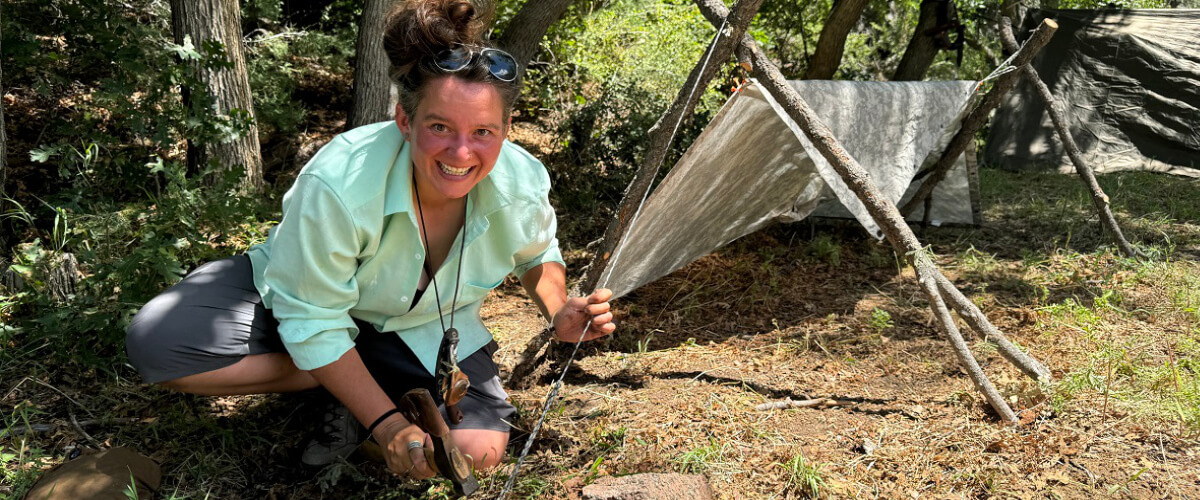
Call it intuition, instinct, situational awareness, something mystical, or something spiritual if that language fits how you understand the world. Humans have always named this sense differently, but the experience is the same. There is a way of knowing that does not arrive as a clean sentence. It shows up as unease, as a pull, or as sudden clarity that something is off or that you should not be where you are.
Your brain and nervous system are constantly taking in information you are not consciously tracking. Subtle changes in sound, light, movement, and pattern register long before logic catches up. Sometimes that process feels analytical. Other times it feels inexplicable. Both can be true at once.
Solo travel sharpens this sense when you stop dulling it. Earbuds block information. Music fills space that should be occupied by environmental cues. Phones pulled out while moving steal vision and attention. Clothing matters too. Hoodies pulled up, hats pulled low, or anything that narrows peripheral vision or muffles sound reduces awareness. When you are alone, your senses are not optional extras. They are part of your safety margin.
Pay attention to the feeling of being watched. That sensation does not always mean a person is present, but it often signals that something in your environment has changed. Wildlife. A shift in terrain. A person who does not belong. Even internal states like fatigue or dehydration can trigger it. The point is not to panic. The point is to pause and listen.
The same applies when you get the sense that you should not be in a particular area. There are moments when the land itself feels wrong. The trail goes quiet. The rhythm breaks. You cannot articulate why, but your body wants distance. Listen to that. Change direction. Leave. You do not owe logic to a decision that keeps you safe.
This is not fear. It is presence. It is listening to wind, birds, footsteps, and your own breathing. It is noticing when patterns shift and respecting that signal. Many problems never become problems because awareness dissolved them early. People adjust behavior when they realize you are alert. Animals change course when they know they have been noticed. Weather announces itself long before it becomes dangerous.
Call it mystical if you want. Call it ancient. Call it instinct. What matters is that it exists and that ignoring it costs more than listening ever will. Solo travel does not demand that you be fearless. It demands that you be attentive, open, and willing to trust the part of yourself that notices before your mind explains.
Quality gear buys time and solves specific problems, but it is never a substitute for good judgment. Prioritize tools that directly address solo’s tighter timelines.
A satellite communicator like Garmin inReach, Zoleo, or similar PLBs (personal locator beacons). Use it to share your detailed itinerary, send regular check-ins, and summon help precisely if needed. It transforms solo travel from potentially ambiguous to clearly intentional. A personal locator beacon serves as lightweight backup for truly remote areas.
Lightweight shelter, sleeping system, and clothing matched to expected conditions prevent exposure issues. Trekking poles provide stability and load distribution. Reliable navigation via map, compass, and offline GPS app with extra batteries matters. Carry a practiced trauma aid kit, fire-starting capability, and an emergency bivy. Practiced means you have used them under stress, cold, wind, fatigue, and bad weather, not just on calm days at camp. Starting a fire when it is dry and easy is not the same skill as doing it when it is cold, wet, shaking, and time actually matters.
Notice I said trauma kit, not first aid kit. There is a difference. Bandages and blister care are fine for comfort issues. Trauma care is about bleeding control, airway management, hypothermia prevention, and buying time when something actually goes wrong. Those tools are useless if you do not know how to use them under stress. Watching a video or carrying gear does not equal competence. This is why formal training matters. A Wilderness First Aid course is a solid starting point. A Wilderness First Responder course is far better if you spend regular time in remote terrain. These courses teach decision making, patient assessment, and problem solving when evacuation is delayed or uncertain. And it needs to be said plainly again. CPR by itself is rarely a solution in the backcountry. You cannot physically perform it for long periods, certainly can’t perform it on yourself, and without rapid advanced care, outcomes are almost always the same. Wilderness medicine prioritizes prevention, early recognition, bleeding control, and smart evacuation decisions because those are the things that actually change results.
Know how to use what you carry. Bear spray works when you understand its range, wind effects, and timing and when you have practiced deploying it under pressure. Air horns can disrupt wildlife or unwanted human behavior at close distance if you know when and how to use them, not as noise but as a deliberate tool. Firearms bring weight, legal responsibility, and complexity, but in trained hands they are a serious option. If you carry one, train for movement, stress, and fast evolving situations. Accept the responsibility that comes with it. A tool you understand and practice with increases capability. A tool you carry without skill is just comfort weight.
Planning fundamentals are non-negotiable. Share your exact route, start time, expected finish, turnaround criteria, and emergency trigger protocol with a reliable contact. Check weather from multiple sources and monitor it in real time. Build escape options and contingency routes. Start early to finish early. File permits when required and follow regulations.
Lost Proofing matters. TSU has created a Lost Proofing Checklist to help people think through the details before they head out. Fill it out and give it to someone you trust before every adventure. At the very least, read through it and share the key information from that document with a trusted person. If something goes wrong, that information can shorten confusion, speed response, and keep small problems from turning into long searches.
For solo hikers, redundancy should exist in systems, not weight. Two ways to navigate, two ways to communicate, two ways to stay warm, not three of everything just in case.
If you strip everything down to what actually matters, this is it:
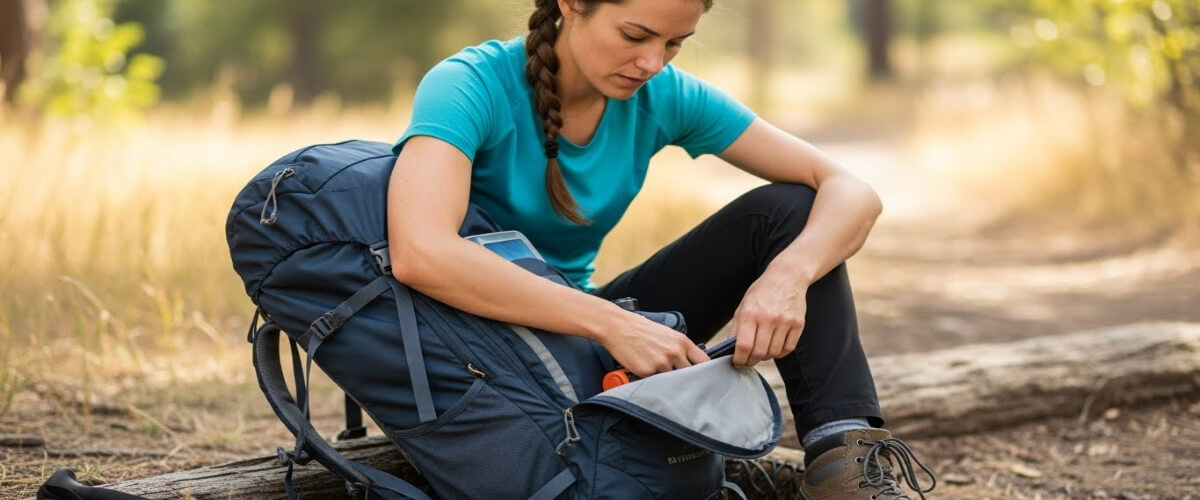
Most solo incidents are not accidents. They are the predictable outcome of small decisions stacked in the wrong direction. Nothing mysterious. Nothing dramatic. Just quiet errors that compound until options disappear.
Underestimating water needs or assuming one treatment method will cover everything dehydrates people faster than they expect. Overestimating daily mileage based on old trips, optimistic maps, or how strong they felt last time sets people up to get caught out late. Starting hikes too late in the day because it looks short on paper is a frequent setup for darkness, navigation errors, and exposure. Solo, nightfall turns simple problems into real ones immediately.
Fueling mistakes are just as common. People do not eat enough, wait too long to eat, or plan meals that are hard to get down once fatigue sets in. When the body runs low on usable energy, coordination drops, thinking narrows, and judgment degrades. People miss turns, ignore warning signs, get cold faster, and make decisions they would never make if they were properly fueled. Alone, there is no one to remind you to eat, slow down, or question a bad call. If you are too tired to eat, you waited too long.
Failing to share a detailed plan, or sharing one and then ignoring it, turns manageable delays into search operations. Blowing off check-in times because nothing feels wrong yet creates unnecessary escalation. Ignoring preset turnaround times because you feel good or the destination is close is another classic mistake. Feeling good is not a safety metric. It just means the consequences have not arrived yet.
Packing excessively heavy out of just-in-case paranoia increases injury risk through fatigue, poor footwork, and joint stress. At the same time, underpacking real essentials assumes perfect conditions and removes any buffer when plans change. Redundancy should exist in systems, not weight.
Relying entirely on phone GPS without offline maps, backup power, or actual navigation skills causes avoidable failures every year. Phones die. Apps fail. Signal disappears. Navigation errors rarely announce themselves loudly. They creep in quietly and cost time you do not have.
Dismissing minor injuries or discomfort and hoping they resolve is another common error. Hot spots become blisters. Tight joints become strains. Mild cold stress becomes hypothermia. Address problems early or accept that they will grow.
Carrying critical gear without practicing it is no better than not carrying it at all. Beacons, navigation tools, bear spray, and medical gear only work when you understand their limits and have used them before it matters. Watching a video or owning equipment does not equal competence.
Poor campsite selection adds unnecessary risk. Camping near trailheads, road access, or high traffic areas increases exposure to people problems. Camping carelessly around food or water sources in wildlife country invites trouble. Pushing into deteriorating weather to hit arbitrary goals closes exits fast. Weather does not negotiate.
Overconfidence shows up often, especially with first time solo travelers. Skipping research, underestimating terrain, or assuming fitness replaces preparation leaves no room for error when something goes wrong. Experience is built deliberately, not claimed.
Finally, many people underestimate the mental side of being alone. Isolation, decision fatigue, and quiet stress can push people into rash choices or stubborn persistence. Solitude sharpens awareness when managed well. When it starts degrading judgment, it is time to change plans or leave. That decision needs to be acceptable before the trip ever starts.
Solo incidents are rarely mysterious. They are usually a chain of reasonable decisions made without enough foresight. The skill is not toughness. The skill is recognizing that chain early and breaking it before it tightens.
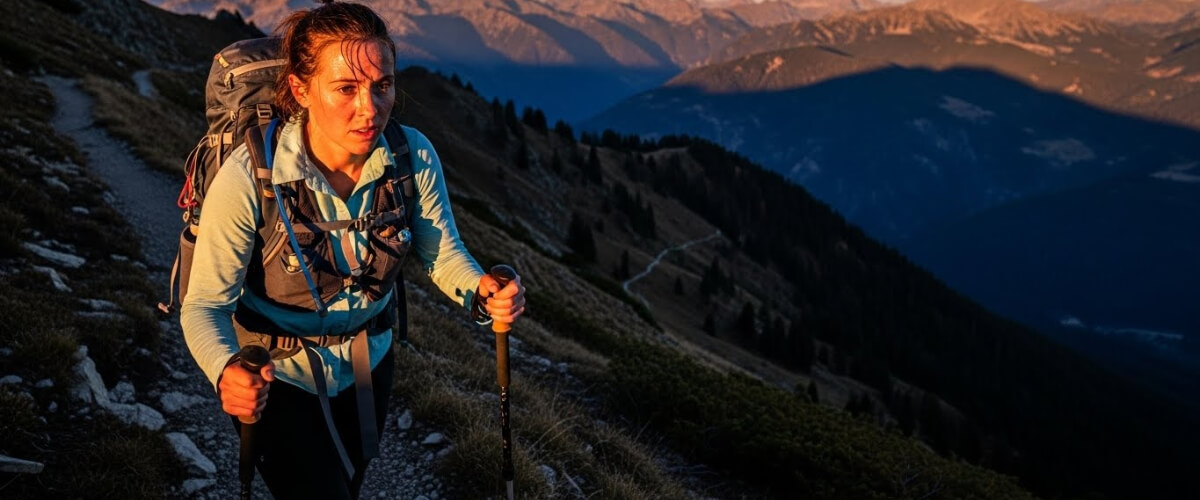
Solo adventuring concentrates every ounce of responsibility onto you alone. That reality can feel intimidating at first, but it can also feel profoundly freeing once you accept it. You own the planning, the decisions, the adjustments, and the outcomes completely. Done with clear eyes and deliberate choices, that level of ownership becomes a source of strength rather than burden.
The dramatic risks that fuel most fears remain extraordinarily rare regardless of party size. The ordinary hazards, falls, medical events, weather, navigation errors, and exposure are identical whether you travel alone or with others. Solo simply requires handling them proactively and sooner because redundancy is gone.
You do not need to stop going solo just because someone else thinks it sounds risky. You do not need to wait indefinitely for compatible partners. You do not need to prove anything to anyone about your capability or toughness.
You need honest self-assessment, a conservative mindset, reliable communication, and practical habits that stack the odds in your favor.
To the 69-year-old grandma in Oregon who sparked this entire post, keep getting after it on your terms. You are living proof that decades of experience do not expire on the trail. You are not asking for permission or reassurance. You are leading by example.
Solo travel executed thoughtfully is not reckless behavior. It is deeply responsible. It is intentional in the best sense. And for many of us who have accumulated enough years to know exactly what we want from time outside, it remains one of the most authentic and grounding ways left to feel fully alive.
If you have hard-earned solo tips, stories, or lessons that have kept you safe and coming back season after season, share them in the comments. I read every single one.
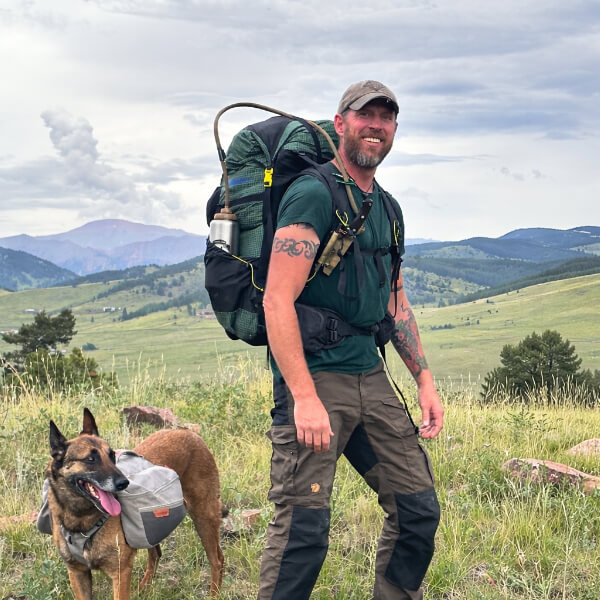
Jason Marsteiner is the founder and lead instructor at The Survival University, where he’s turned his obsession with staying alive into a mission to teach real-world survival skills. Forget fancy gear, Jason’s all about the know-how that gets you through the wild or a city crisis. A published author of Wilderness Survival Guide: Practical Skills for the Outdoor Adventurer, he’s distilled years of hard-earned wisdom into lessons anyone can use.
Raised in Colorado’s rugged mountains, Jason’s survival chops were forged in the wild—from Missouri forests to Arizona deserts to Costa Rican jungles. He’s navigated it all with next to nothing, earning creds like Wilderness First Responder (WFR) and SAR tracking along the way. He’s trained thousands to keep cool when 911’s out of reach, proving survival’s not just for grizzled adventurers, it’s for hikers, parents, and city slickers alike.
Jason’s mantra? Everyone should make it home safe. When he’s not running courses, he’s designing knives, mentoring newbies, or chilling in the city like the rest of us, always sharpening the skills that turn panic into power.
Solo adventuring concentrates responsibility onto the individual. This long form piece looks at what the data actually shows about risk, why fear often misses the...
Jason, I love your information! I am a 72 year old female and have hiked and backpacked mostly solo for 30 years. The last couple years, although I remain very active with hiking, cycling and kayaking, I’ve noticed less strength and energy. I have several favorite hikes I do here in CO and continued to do a 25 mile trip. I cut the mileage a little last year since I was lower energy and didn’t want to be miserable. About 5 years ago I did a 165 mile trip on the Colorado Trail. It was tough but memorable.
No real issues with human or wildlife. Thank you for your reasonable information. As you know ,we had a death from a Mtn lion attack near me. There’s been a lot of mention on FB and Im not reading them anymore.
Thank you for sharing this. What you’re describing is exactly what experienced people do. Adjusting mileage, honoring changes in energy, and choosing trips that keep the experience positive instead of forcing old numbers. That’s not backing off. That’s skill. And I hear you on stepping away from the mountain lion discussion. I said what needed to be said and then let it be. At some point, continuing to engage doesn’t add anything useful and only feeds a negative narrative. Appreciate you adding your perspective here.
This article was fabulous. You covered absolutely everything with complete clarity. Thank you for your expert advice, wisdom, and encouragement!
Thank you. I appreciate that more than you probably realize. My goal was clarity and usefulness, not hype. Glad it landed the way it was intended.
Such a wonderful article!
I’m a 47yo female and have lived and hiked in the Rockies all my life with the last decade being mostly solo. I’ve come across all kinds of weather and wild animals, especially the bear and mtn lion kind.
I can honestly say your advice is spot on. From always telling someone where you’re going to knowing when to turn around; these are the things that will keep any hiker safe, especially a solo one.
Only call out is I hike with my dog (a German shepherd) and always bring blood clotting powder, extra food/water and a rescue sling for him too. If something happened, there is no way I could carry him out by myself with out it. And if we have to stay put for a while, I want to make sure he has what he needs to keep his energy up.
Thank you again for your article. With everything in the news lately, it’s refreshing to read some unbiased truth.
Thank you for the kind words and for taking the time to share your experience. And yes, I’m with you on the dog piece. I carry a harness and rescue sling for my dog too. It’s an important detail that often gets overlooked.
Thank you. Again, thank you. The facts, the logistical details, and the mindset for hiking, wilderness, solo hiking and female hiking, are all reasonable and reassuring.
Thank you. I really appreciate that. I’m glad the practical details and mindset came through clearly.
Great article. Very thorough. Thank you.
Great article. I hope it gets shared and read by hikers of all ages, genders and experience levels. The message and wisdom outlined here is worth repeating to ourselves and each other over and over again.