
Cart
Sub-Total: $0.00
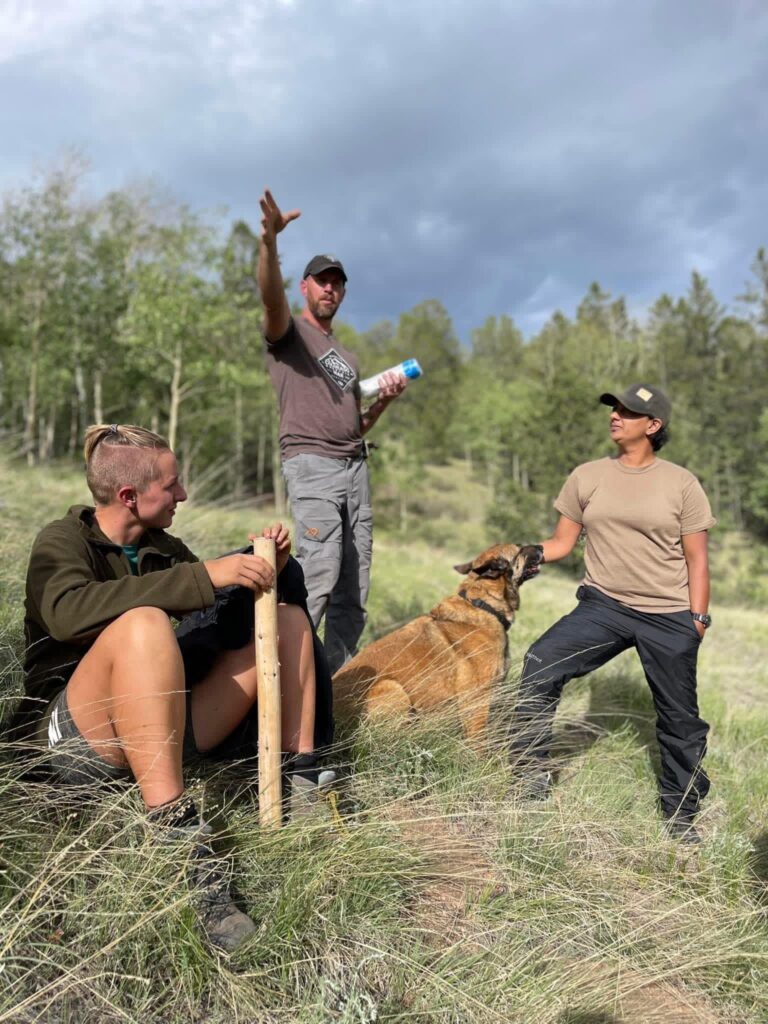
Before you learn to build fires, purify water, or find food, you have to understand one truth: survival is not about gear or luck. It is about mindset, awareness, and adaptability. These 81 tips are drawn from real experience in the wilderness, where the line between comfort and crisis can be razor thin. Whether you are deep in the mountains or simply preparing for the unexpected, these lessons will remind you how to think, move, and act like someone who is built to endure.
1. Stay calm.
Panic is your worst enemy in a survival situation. Take a breath, get control of your thoughts, and remind yourself that staying calm gives you time to think and act clearly.
2. Stop, think, observe, plan.
Before you move or make decisions, stop and take in your surroundings. This method keeps you from wasting energy or walking into danger blindly.
3. Accept reality fast.
The sooner you recognize what’s really happening, the sooner you can start adapting. Denial wastes time and energy you don’t have.
4. Confidence comes from preparation, not ego.
Cockiness gets people hurt. True confidence comes from learning, practicing, and knowing your limits.
5. Fear is a teacher.
Don’t let fear paralyze you. Listen to what it’s telling you, use it as awareness, and move forward anyway.
6. Always have a plan.
Even if it’s a simple one, a plan gives direction and purpose. It’s easier to change course than to make decisions in chaos.
7. Visualize success before you act.
Close your eyes and picture each step of what you’re about to do. That mental rehearsal can prevent mistakes when adrenaline is high.
8. Handle small problems early.
Wet socks, a blister, or hunger might seem minor, but ignored long enough, they turn into emergencies.
9. Your mindset determines your outcome.
The will to live is real. People who decide they’re going home often do.
10. Celebrate small victories.
A working fire, a safe camp, or finding water are all wins. Acknowledging progress keeps morale strong when the situation feels impossible.
11. Prioritize shelter before food.
Exposure kills faster than hunger. In the Colorado mountains, a single cold night without cover can drain your energy and clarity. Shelter buys you time to make better decisions later.
12. Use what nature gives you.
Rocks, downed trees, and natural depressions can all become part of your shelter. Save your energy by building with what’s already there.
13. Think insulation, not architecture.
A fancy shelter won’t save you if it doesn’t trap heat. Focus on layers of debris, leaves, and pine boughs to hold warmth in.
14. Stay off the ground.
The earth steals body heat fast. Use branches, grass, or even your backpack as insulation between you and the ground.
15. Make your shelter visible or invisible depending on your goal.
If you need rescue, make it stand out. If you’re avoiding attention, blend it with the environment.
16. Build before you’re cold or wet.
Once hypothermia sets in, your fine motor skills and judgment go downhill fast. Build while you still can.
17. Control your ventilation.
A good shelter blocks wind and rain but still lets moisture escape. Trapped humidity leads to condensation and a miserable night.
18. Never underestimate fire.
A fire is warmth, safety, comfort, and morale all in one. It’s your best defense against the cold and your worst enemy if mismanaged.
19. Have multiple fire-starting methods.
Carry a lighter, ferro rod, and matches. Redundancy in fire-making is one area that can save your life.
20. Dry wood means dry nights.
Collect twice as much wood as you think you need, and then double it again. Wet fuel ruins morale faster than the cold.
21. Water is life.
You can go weeks without food but only days without water. Finding, collecting, and purifying it should always be a top priority.
22. Avoid dehydration before it starts.
Thirst is a late warning sign. Drink steadily throughout the day instead of waiting until you feel parched.
23. Learn to find hidden sources.
Look for green vegetation, animal tracks, or low spots where water may collect. Even dry streambeds can hold moisture just below the surface.
24. Always purify before drinking.
Crystal-clear mountain streams can still carry bacteria and parasites. Boil, filter, or use purification tablets before you drink.
25. Conserve sweat, not water.
Move slowly, rest often, and stay shaded when possible. The less you sweat, the less water you lose.
26. Use solar stills or condensation traps in dry areas.
If water is scarce, these techniques can slowly produce drinkable moisture over time.
27. Carry multiple ways to purify.
Boiling, filtering, and chemical treatments all have limits. Redundancy in water purification is worth the weight.
28. Don’t eat if you can’t drink.
Digesting food burns water. Without hydration, eating only speeds up dehydration.
29. Store water wisely.
Keep containers out of direct sunlight, avoid overfilling, and rotate your water supply if stored long-term.
30. Mark and remember your sources.
When traveling, note every water source you pass. You never know when you’ll need to backtrack for more.
31. Fire is survival.
It gives warmth, cooks food, purifies water, signals rescuers, and keeps predators away. Master fire, and you control your environment.
32. Practice fire-making before you need it.
Don’t wait until you’re cold and wet to learn. Build fires in all conditions until it becomes instinct.
33. Know your tinder, kindling, and fuel.
Fine, dry material starts the flame, medium sticks build it, and larger logs sustain it. Every size has a purpose.
34. Keep a dedicated fire kit.
Carry dry tinder, cotton balls in petroleum jelly, or char cloth sealed in a waterproof container. It’s your instant ignition source when nature fails you.
35. Protect your flame.
A small flame can die with one gust of wind. Shield it with your body or rocks until it grows strong enough to sustain itself.
36. Learn primitive fire methods.
Ferro rods, bow drills, and flint-and-steel teach patience and skill. They also give you options when modern tools fail.
37. Fire safety is survival too.
Never build a fire where it can spread uncontrollably. Clear debris, contain your fire, and always put it out completely before leaving.
38. Use fire to dry clothes and gear.
Moisture saps heat. Hang damp clothing near your fire but far enough to avoid scorching. Rotate items frequently.
39. Light saves energy at night.
A steady fire or even a small lamp keeps morale high and allows you to stay productive after dark.
40. Respect the power of fire.
It’s your greatest ally and your most dangerous tool. Use it wisely, and it will carry you through the coldest nights.
41. Food is comfort, not priority.
You can last three weeks without eating, but hunger makes people careless. Treat food as morale fuel more than a daily necessity.
42. Learn the Rule of Threes.
Three minutes without air, three hours without shelter, three days without water, and three weeks without food. Keep that order in mind and act accordingly.
43. Know a handful of wild edibles well.
You don’t need to memorize hundreds of plants. Focus on learning a few that grow locally and are available most of the year.
44. Avoid unknown plants and berries.
If you’re not absolutely sure, don’t eat it. Even a small amount of the wrong plant can be deadly.
45. Insects are your friends.
Crickets, grasshoppers, and ants are high in protein and easier to find than game. Remove wings and legs and cook them when possible.
46. Traps buy you time.
Primitive snares and deadfalls can work while you rest or focus on other tasks. Always set multiple traps for better odds.
47. Fish smart, not hard.
Use passive fishing methods like trotlines, weirs, or improvised hooks. Conserve energy while increasing your catch rate.
48. Forage with intention.
Don’t wander randomly. Search near water sources, meadows, and edges of clearings where plant life thrives.
49. Learn to process your food fully.
Cleaning game, smoking meat, or drying plants increases their shelf life and safety. Waste nothing—you worked for every calorie.
50. Stay humble about what you know.
The wilderness doesn’t care how much you’ve studied. Constantly learn from mistakes and local conditions.
51. Know where you are before you move.
People get lost because they start walking without orientation. Stop, breathe, and study your surroundings before taking a step.
52. Use landmarks, not luck.
Pick distant, visible markers like peaks or tree lines and walk toward them deliberately. It keeps your path straight and your confidence intact.
53. Always carry a map and compass.
Technology fails. Batteries die. A paper map and compass will always tell you where you are if you know how to use them.
54. Learn to read terrain.
Ridges, valleys, and water flow all tell stories. The land gives clues about direction, shelter, and resources—if you know how to listen.
55. Mark your trail.
Subtle rock stacks, broken branches, or ribbons help you backtrack safely. Just make sure you leave no lasting trace when you’re done.
56. Use the sun and stars.
The sun rises in the east and sets in the west. Polaris marks north. Learn celestial navigation as a backup to any tool.
57. Move with purpose, not panic.
A steady, mindful pace conserves energy and reduces injury risk. Running blind burns calories and gets you nowhere fast.
58. Avoid walking at night unless you must.
Fatigue and darkness invite mistakes. Rest when the sun sets, and start early when visibility and energy return.
59. Follow water when unsure.
Streams often lead to larger rivers, which usually lead to civilization. But always weigh the terrain and your energy before committing.
60. Train before you need it.
Take navigation courses, practice with maps, and test yourself often. Confidence in your skills removes fear from the equation.
61. Survival starts in your head.
The body follows the mind. If your thoughts spiral, your decisions fail. Stay calm, focus on what you can control, and act deliberately.
62. Accept your situation, don’t fight it.
Denial wastes time and energy. Acceptance brings clarity and keeps panic from making your choices for you.
63. Fear is information.
It’s not your enemy—it’s your body warning you to pay attention. Listen to it, but don’t let it dictate your actions.
64. Break big problems into small ones.
Thinking about surviving the whole night can overwhelm you. Focus on surviving the next hour, then the next.
65. Keep a survival rhythm.
Breathe, observe, plan, act, repeat. It keeps your brain engaged and emotions in check.
66. Build mental resilience before you need it.
Push your limits in training—cold exposure, discomfort, hunger. Familiarity with struggle turns stress into strength.
67. Use routine to stay grounded.
Make a daily rhythm, even if simple: check your fire, gather wood, drink water, rest. Structure reduces anxiety and maintains discipline.
68. Don’t waste energy on what you can’t change.
Weather, terrain, or injury might not be in your control. Focus on what is—your attitude, your choices, and your effort.
69. Learn from discomfort.
Pain and frustration are teachers. They reveal your weak spots and show you how to improve next time.
70. Confidence is earned through adversity.
No book or video replaces time in the elements. The more you face, the steadier you become when it counts.
71. Water is life.
Dehydration clouds judgment faster than hunger. Drink before you feel thirsty and plan every move around your next refill.
72. Find movement, not stagnation.
Flowing water is safer than still water. Streams and seeps are your best bets—collect from the source when possible.
73. Always purify.
Even the clearest mountain water can carry invisible dangers. Boil it, filter it, or use purification tablets every time.
74. Learn to spot signs of water.
Animal tracks, lush vegetation, and insects can all lead you to it. The land tells you where water hides.
75. Improvise collection methods.
Plastic sheets, tarps, or leaves can catch rain or morning dew. Creativity can make the difference between drinking and dehydration.
76. Shelter buys time and warmth.
Cold kills faster than thirst. Build cover before sunset—wind, rain, or temperature drops can change everything overnight.
77. Think location first, materials second.
A poor shelter in a good location beats a perfect shelter in a bad one. Stay off low ground and avoid widowmakers.
78. Keep shelters small and tight.
The smaller the space, the easier it is to heat. A snug shelter traps body warmth and conserves energy.
79. Always insulate from the ground.
You lose heat faster through conduction than air. Use leaves, grass, or pine boughs as bedding to stay warm.
80. Fire and shelter work together.
A good shelter holds heat, and a good fire maintains it. Balance both for survival through the coldest night.
81. The Human Element
Survival is not about isolation. It is about remembering who you are. Strip away the noise, the comforts, and the walls, and what is left is your truest self. Out there under cold stars and quiet skies, you realize that nature is not your enemy. It is your mirror. Every student who trains with us learns that connection, purpose, and awareness are what keep you alive when everything else is gone.
Survival isn’t about mastering nature. It’s about remembering that you’re part of it. Every challenge, every night by the fire, every mistake teaches you something deeper about who you are and what you’re capable of. The wild doesn’t care about your plans, but it will always reward awareness, humility, and grit. Learn the skills, keep your mind sharp, and when the time comes, trust yourself. The rest will follow.

Thank you for the information! Great points!
Really solid advice. Tip #2 Stop, think, observe, plan is such a game-changer. Easy to forget in the moment, but so important. Appreciate the breakdown!
Thank you GOD Bless you your family friens co-workers and everybody who reads this
Deadly info thanks much at
You are the MAN. Thank you!