Cart
Sub-Total: $0.00
$500.00
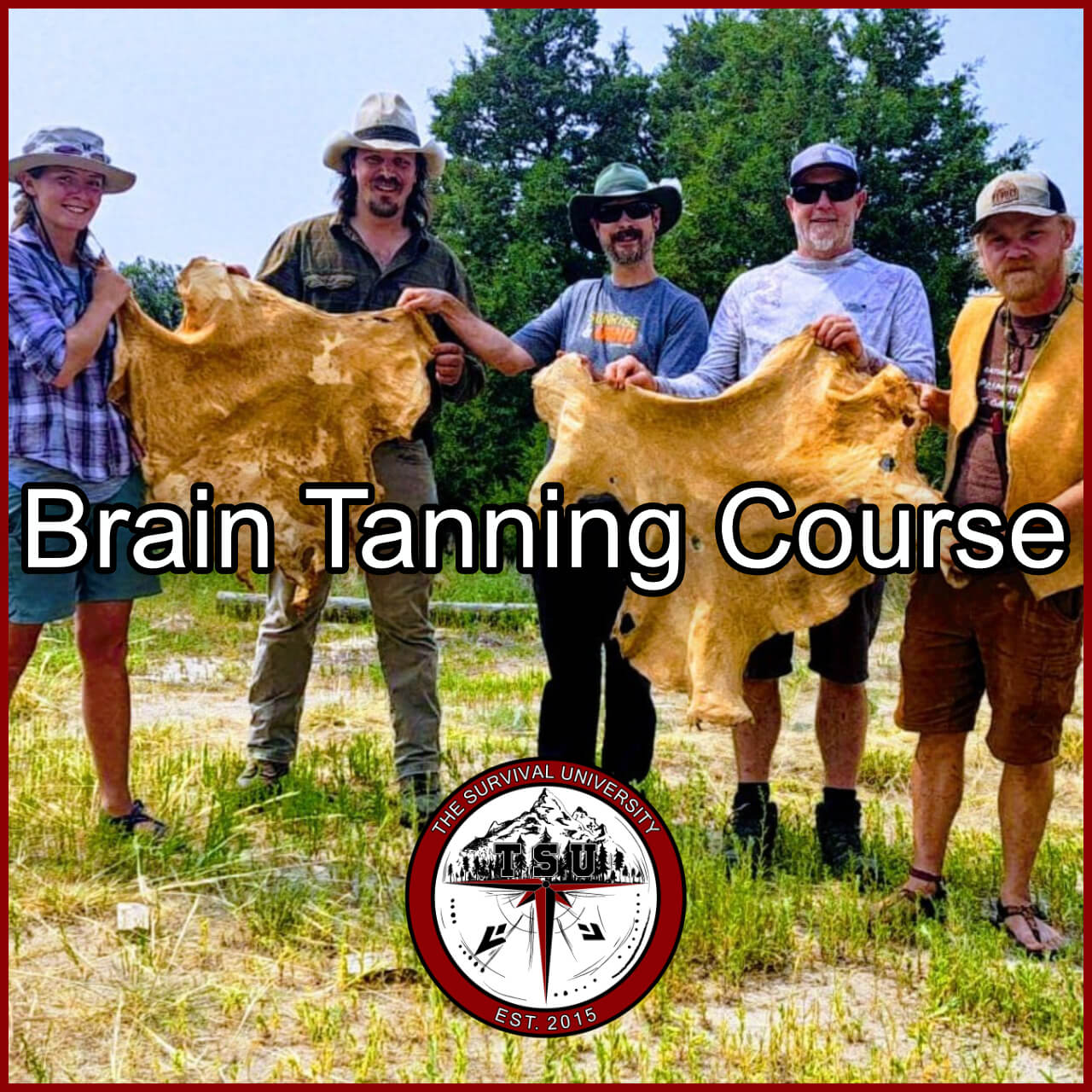
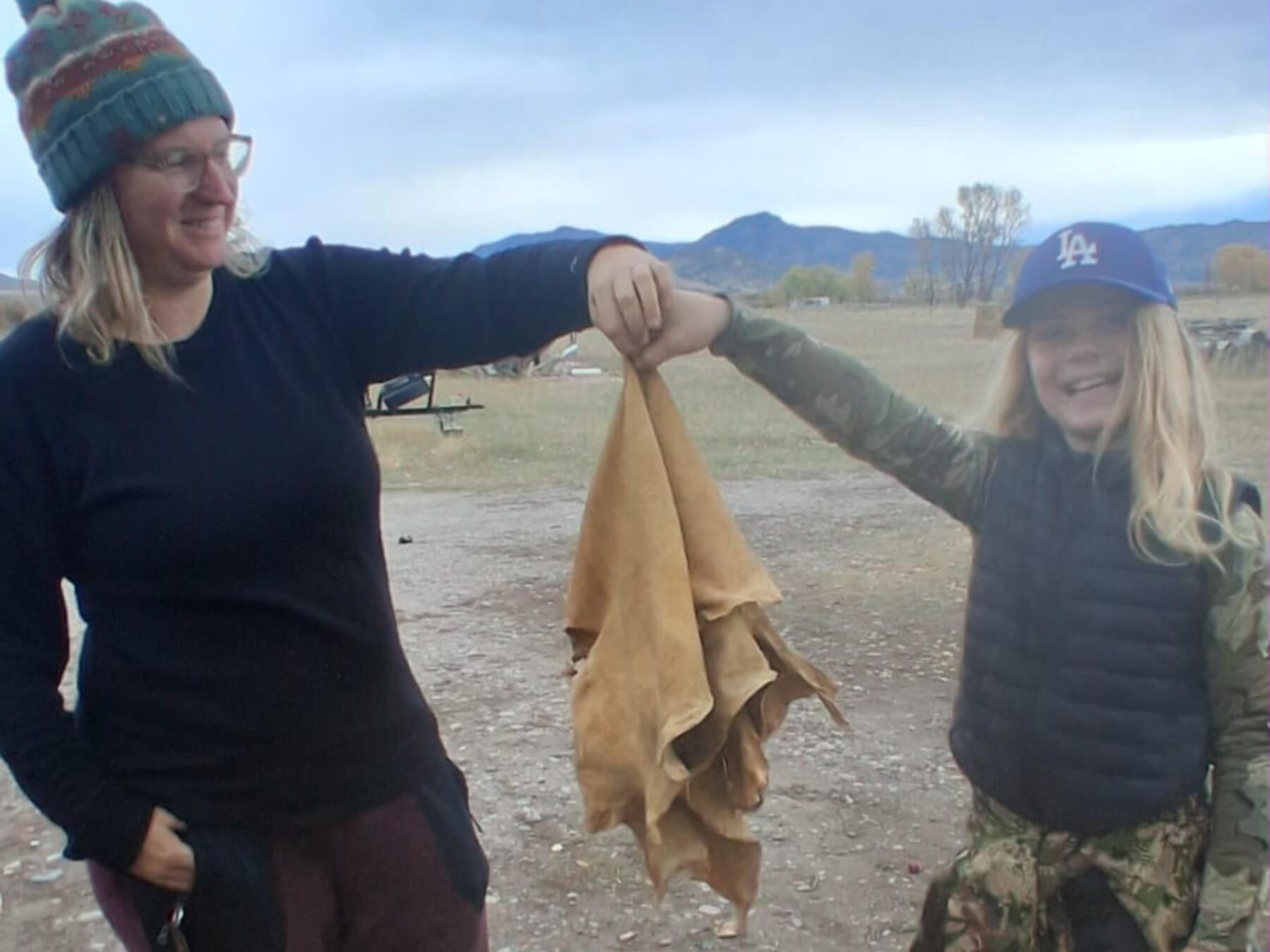
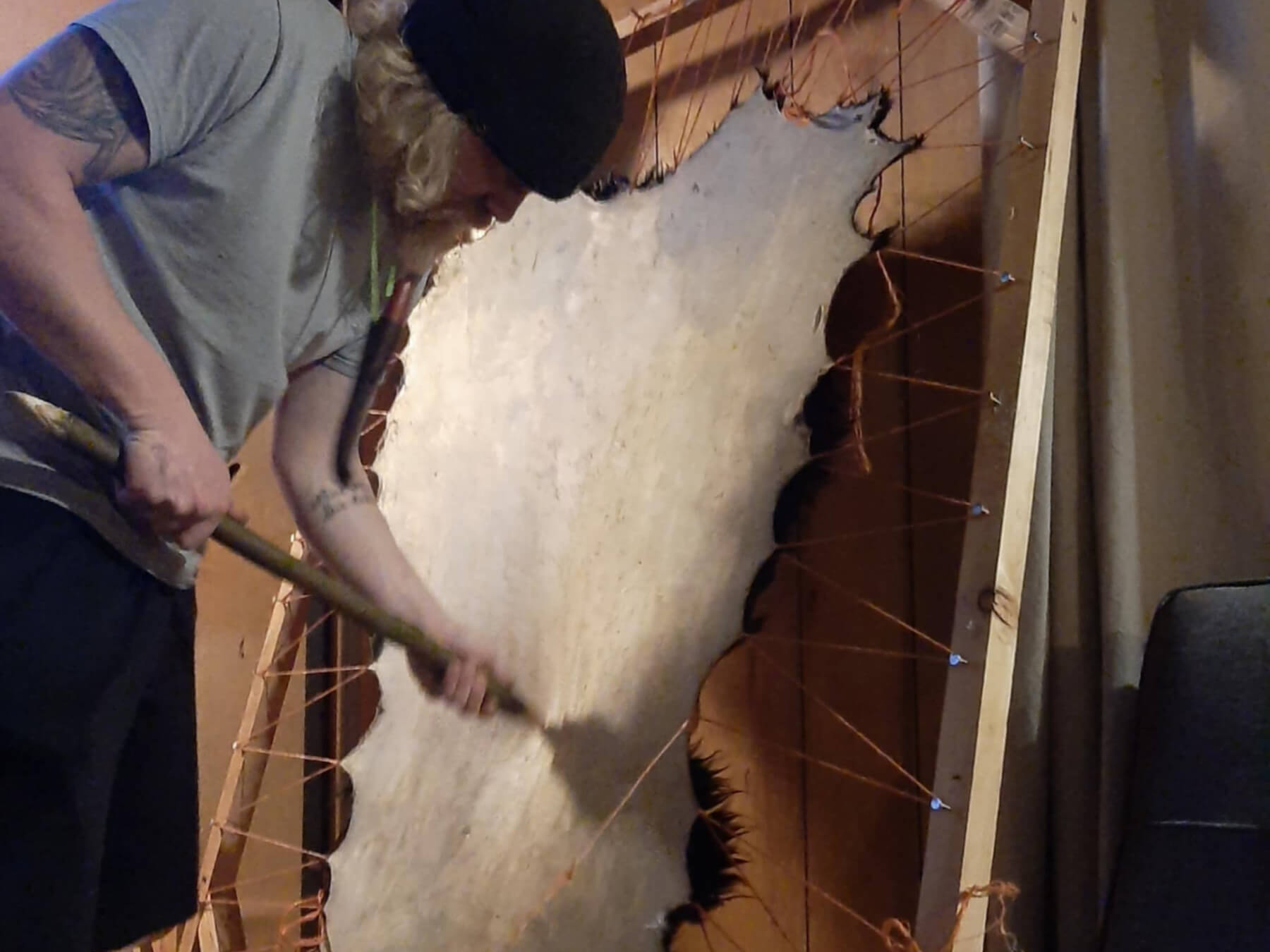
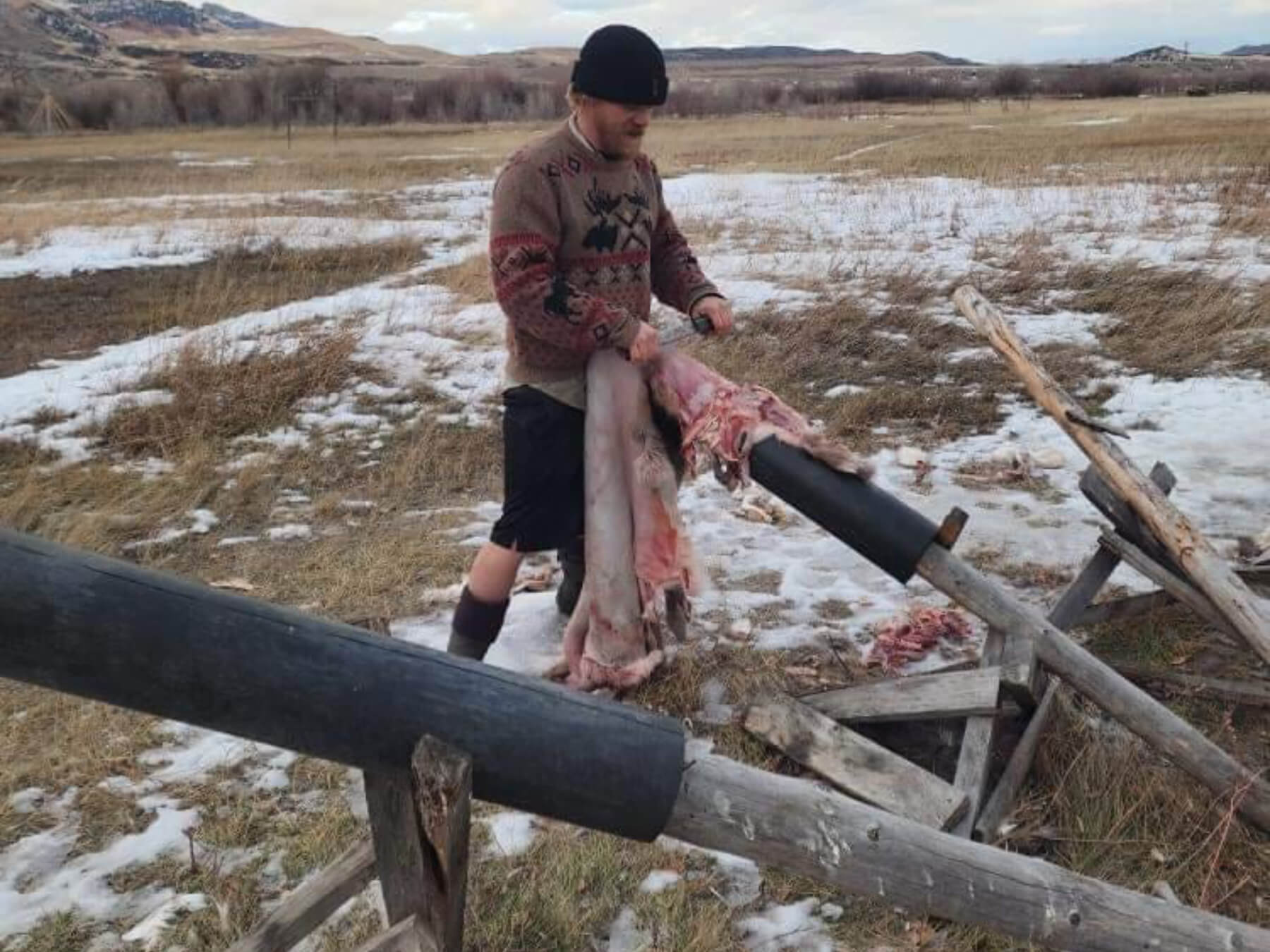
Learn the traditional art of brain tanning in this 4-day hands-on course. Turn raw deer hides into soft, beautiful buckskin using natural materials, time-tested techniques, and a deep respect for the animal and the craft.
Before there were tanneries or chrome salts, there were people working by hand and instinct, transforming raw hides into supple, beautiful buckskin using only what nature provided. The process was slow, messy, and deeply rewarding. Smoke curled through campfire light as hides softened in skilled hands, the smell of wood and earth mixing with the rhythm of scraping and stretching. This was more than a craft, it was survival, clothing, and culture all in one.
Today, few people still practice this timeless tradition. In this 4-day hands-on class, you’ll step back into that ancient rhythm and learn to tan hides the old way, without chemicals or machines, just as our ancestors did.
In this immersive course, you’ll work through every stage of the process from raw hide to finished leather using only natural materials and techniques that have stood the test of time. No modern chemicals, no shortcuts—just the real, old-world way of making leather.
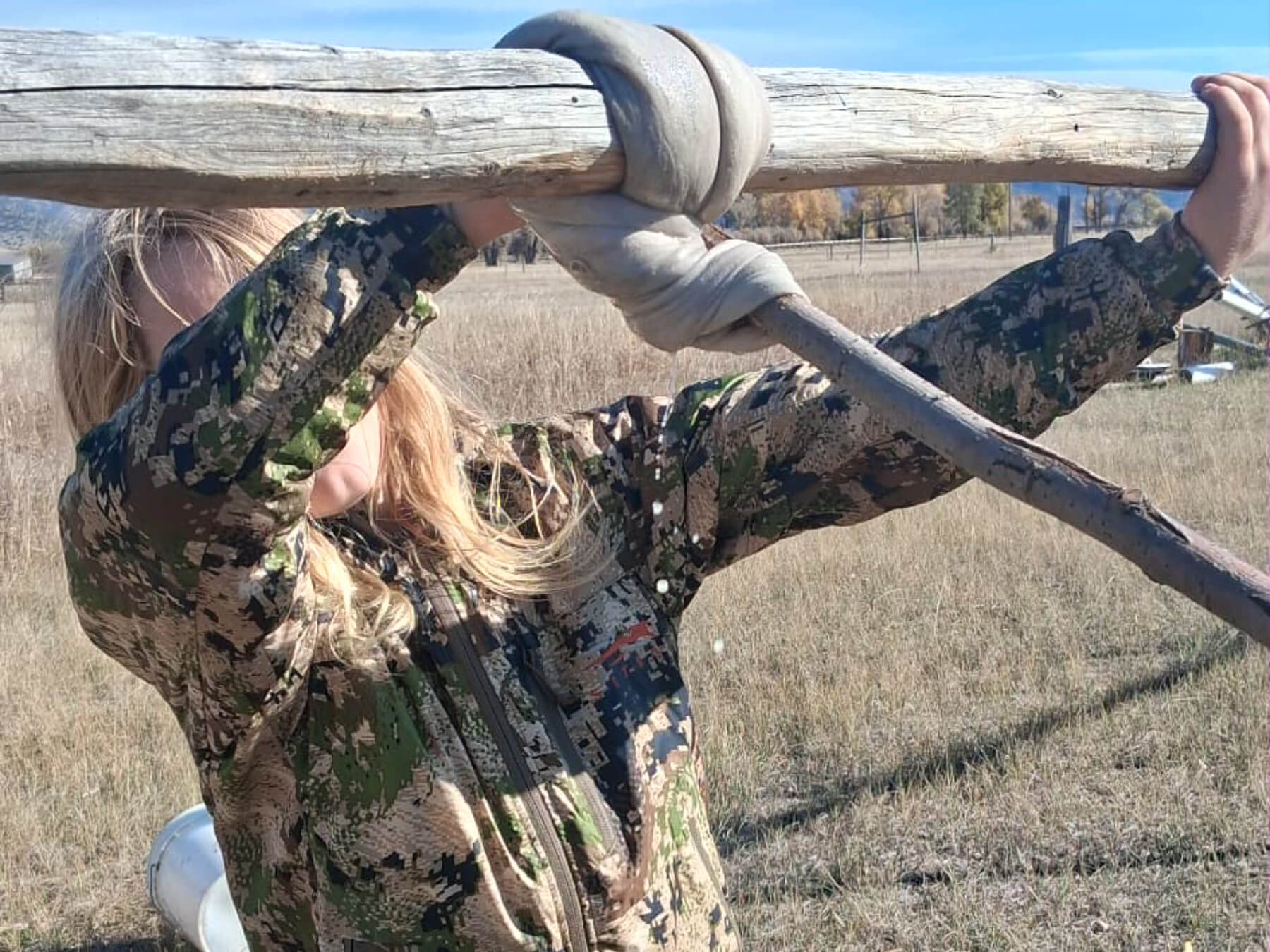
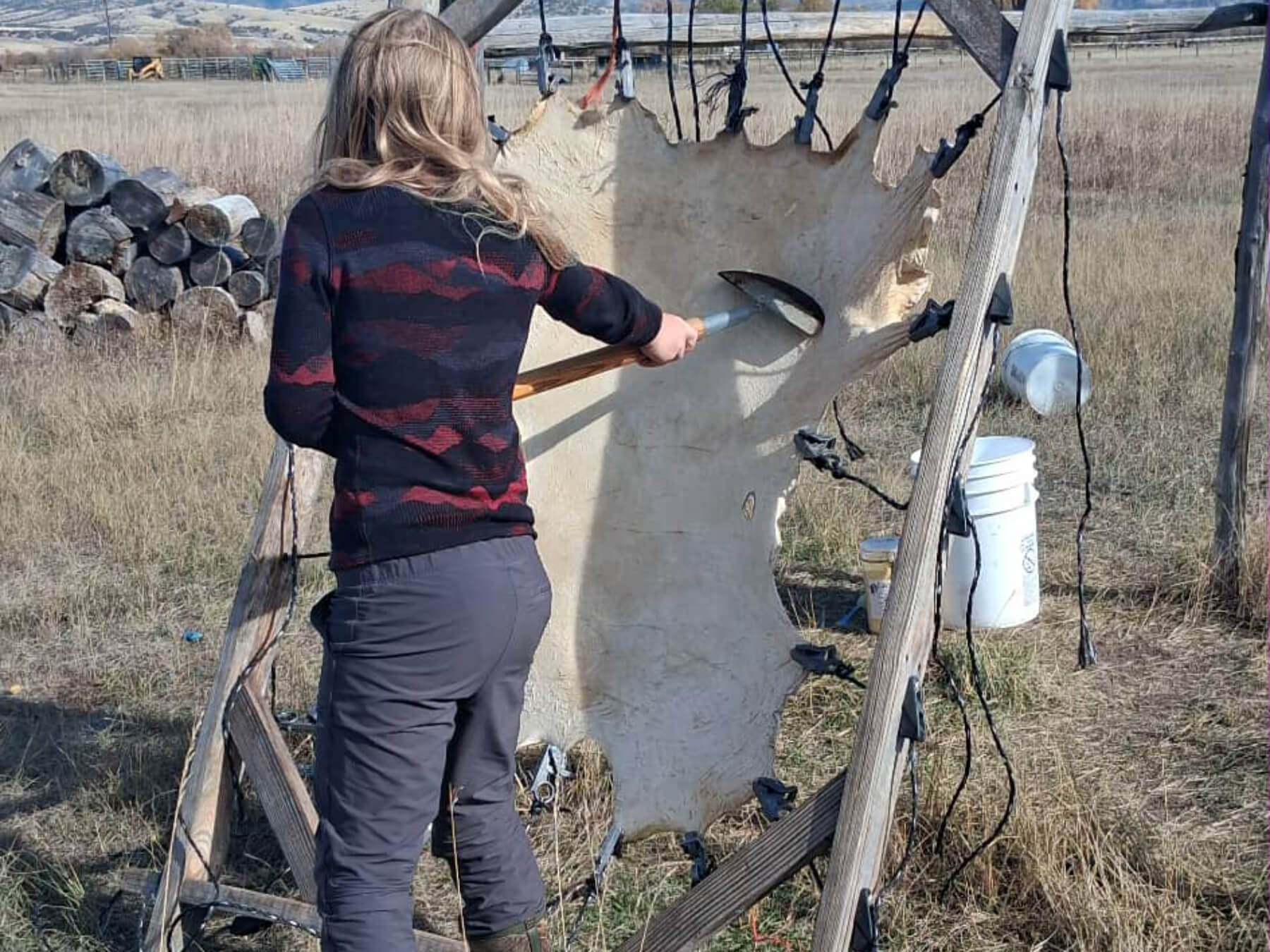
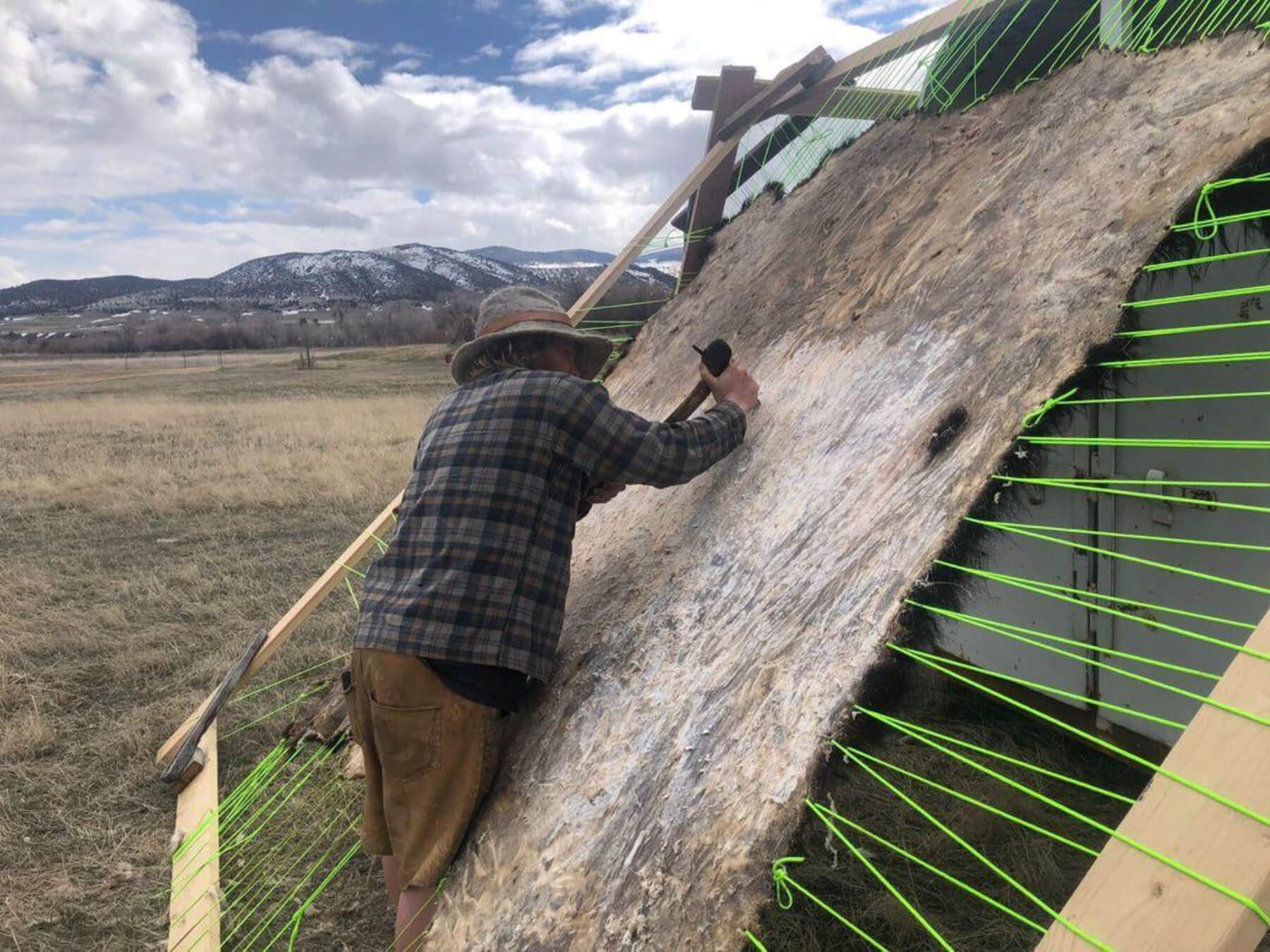
You’ll learn to prepare, dress, soften, and smoke hides using emulsified fats and hand tools, gaining the knowledge and confidence to continue the craft on your own. This class focuses entirely on the brain tanning process, emphasizing practical skill, attention to detail, and a deep respect for the animal and the material.
Hide preservation and preparation
Wet scraping hides clean
Fat dressing and hand-softening techniques
Smoking hides to preserve softness
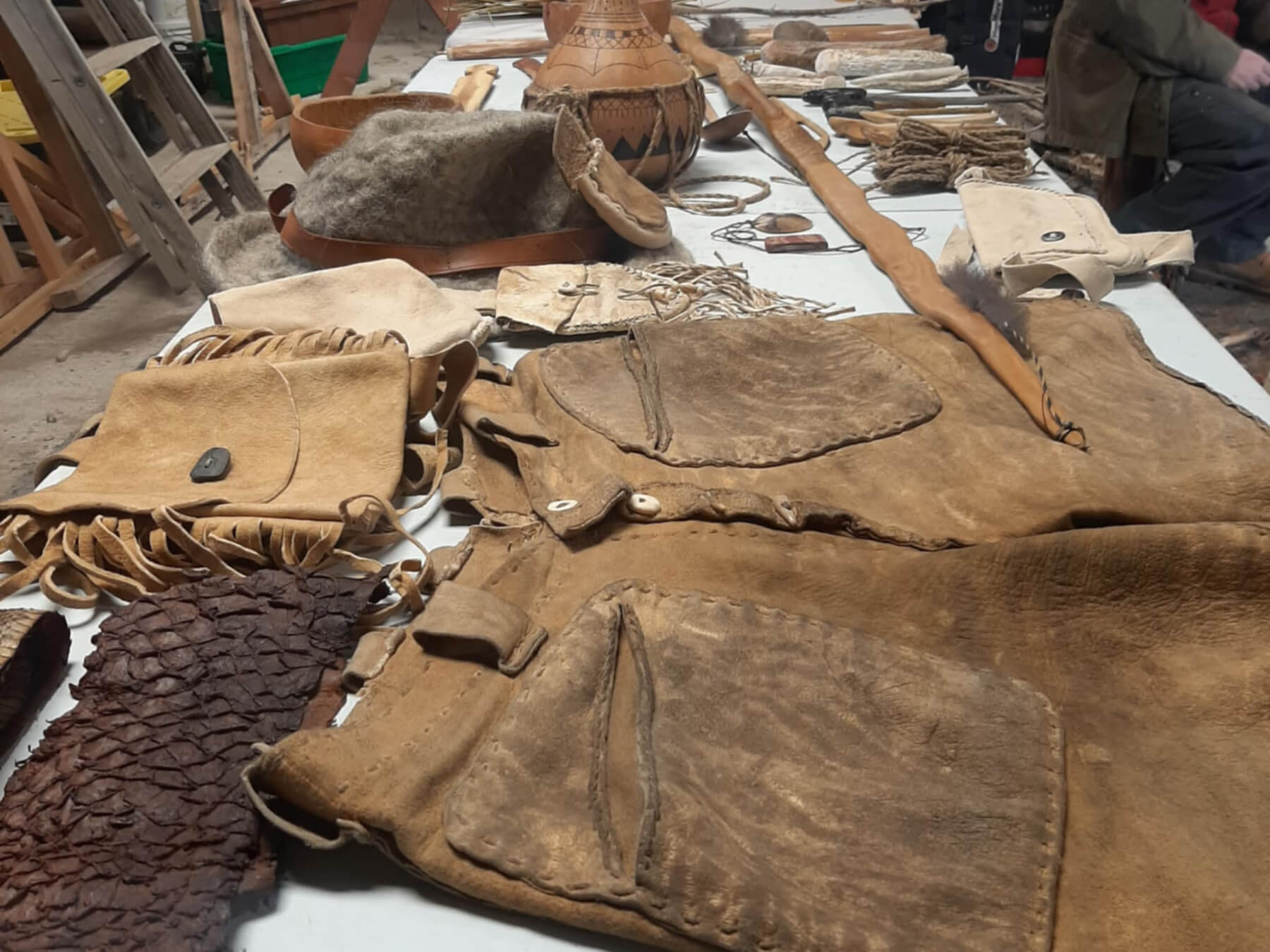
Traditional uses and care for tanned hides
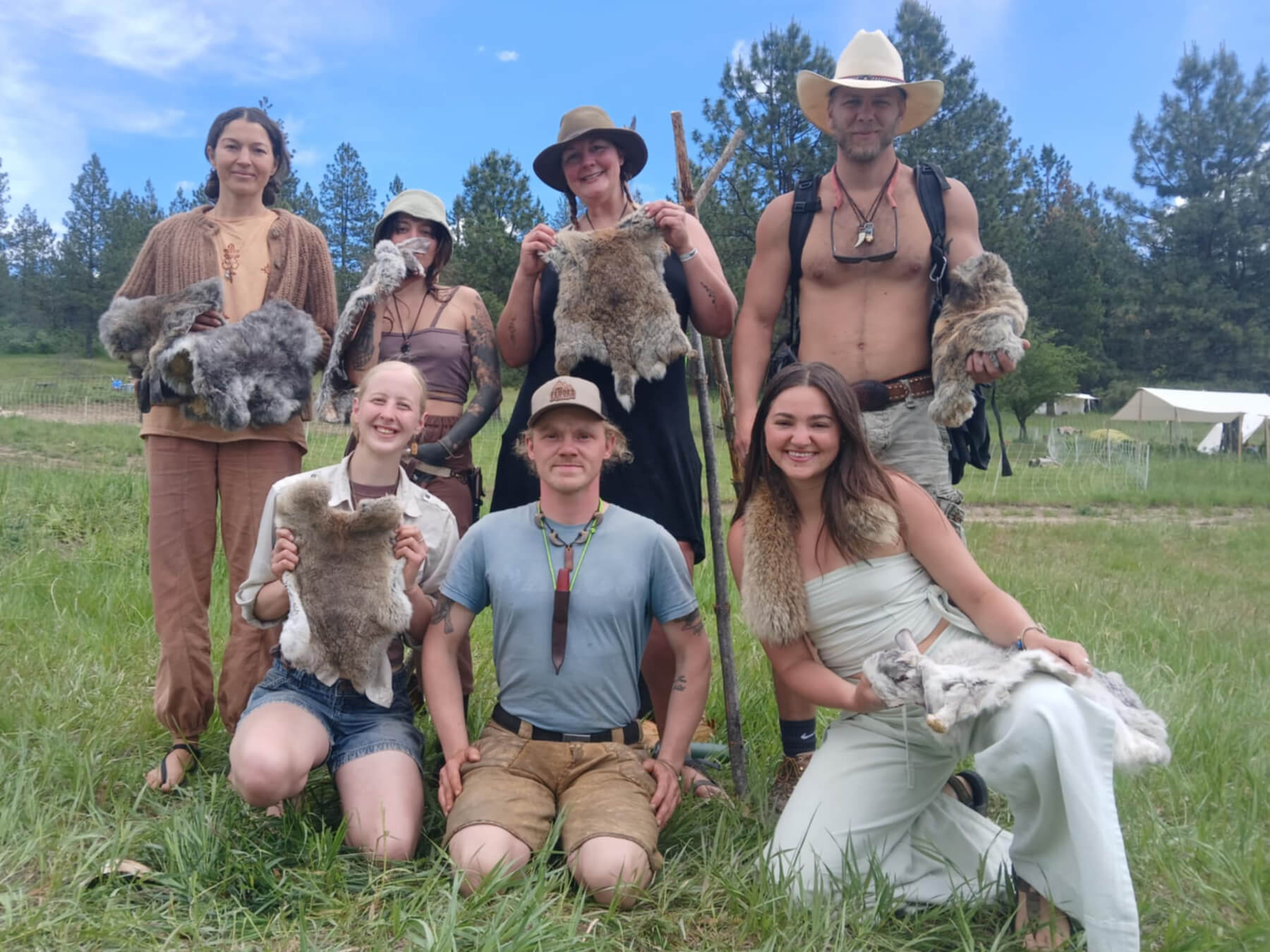
Expect to get your hands dirty and your mind grounded in a process that connects you directly to the land and the animal. By the end of the four days, you’ll walk away with your own piece of buckskin and a skill that few people today still know how to do.
Course Name: Traditional Buckskin Making Workshop
Location: Mountain Camp, Colorado – 9,500 ft elevation, pine and aspen forest, private land
Schedule: 9:00 AM – 5:00 PM each day
Duration: 4 Day
Approach: Hands-on training focused on practical skills. Beginner-friendly and family-friendly for older kids or teens who can handle physical work and want to learn traditional leathercraft.
Driving Directions: [Click here for directions]
Address: 71 Monarch Dr, Cripple Creek, CO 80813
Note: This course is planned for our main mountain camp near Cripple Creek. However, April weather in the high country can be unpredictable, and heavy snow may affect access. If needed, we’ll relocate to our alternate site at the Chapman Ranch, about 30 minutes away. Final details will be confirmed the day before or morning of the class.
(Important: Our camp is remote and GPS is often unreliable. Please read these directions carefully and have them saved or printed before you leave. Cell service is limited once you head into the mountains.)
Students may camp on-site for the weekend or stay in nearby towns. Cripple Creek is about 15 minutes away, and Woodland Park is around 30 minutes. If not camping, students are responsible for arranging their own lodging.
At camp, a central fire ring and a few designated camping spots are available, with dispersed camping as the primary option. Vehicles can be parked within roughly 100 feet of the main camp area.
Sleeping Arrangements:
Students are responsible for their own overnight shelter. Tents, campers, hammocks, or tarp setups are all welcome.
Facilities:
Porta potty restroom and potable water provided at camp.
Potable water is available on-site. Students should bring their own food for the duration of the class. Simple, quick meals like freeze-dried pouches or MREs are recommended, but any camp-friendly food or items for cooking over the fire or a small personal stove are fine. Local groceries and restaurants are nearby if needed.
Core Tools
Fixed-blade knife (full tang, 4–5” blade, plain edge)
Shelter & Sleep
Tent, tarp, or hammock
Sleeping bag and pad
Rain gear or poncho
Cooking & Water
Metal pot or cup
Eating utensils and small bowl/plate
Single-walled metal water bottle or canteen
Meals and snacks
Clothing
Non-cotton layers (wicking base, insulating mid, waterproof outer shell)
Outdoor boots and wool socks
Warm gloves and hat
Sunglasses, sunscreen, insect repellent
Shemagh, bandana, or scarf
Lighting & Miscellaneous
Headlamp with spare batteries
Personal first aid kit
Notebook and pencil (optional)
Optional Comfort Items
Camp chair or stool
Pillow or cushion
Extra snacks or comfort food
Camera or phone for photos
-
Select options This product has multiple variants. The options may be chosen on the product page
-
Select options This product has multiple variants. The options may be chosen on the product page
-
Select options This product has multiple variants. The options may be chosen on the product page
-
Select options This product has multiple variants. The options may be chosen on the product page