Cart
Sub-Total: $850.00
-
×
 WILDERNESS FIRST RESPONDER (WFR) - June 15-21 2026
1 × $850.00
WILDERNESS FIRST RESPONDER (WFR) - June 15-21 2026
1 × $850.00
Subtotal: $850.00
Cart
WILDERNESS FIRST RESPONDER (WFR) - June 15-21 2026
1 × $850.00 Subtotal: $850.00




$850.00
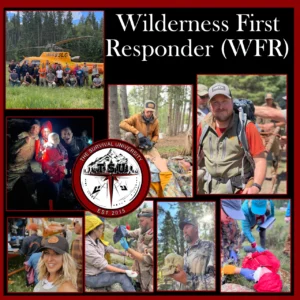
Are you looking for an exciting opportunity to expand your medical knowledge and enhance your ability to provide improvised medical care? If so, then becoming a Wilderness First Responder (WFR) is a perfect fit for you! Our intensive seven-day WFR program is recognized as the “Gold Standard” in wilderness medical care and is designed to equip non-medical professionals with the skills necessary to handle medical issues in backcountry environments.
JUNE 21-27 2027
Click ‘Book Now’ to view and select your preferred date.
Are you looking for an exciting opportunity to expand your medical knowledge and enhance your ability to provide improvised medical care? If so, then becoming a Wilderness First Responder (WFR) is a perfect fit for you! Our intensive seven-day WFR program is recognized as the “Gold Standard” in wilderness medical care and is designed to equip non-medical professionals with the skills necessary to handle medical issues in backcountry environments.
Whether you are a wilderness guide, outdoor instructor, outdoor educator, Search and Rescue (SAR) team member, ski patrol, medical personnel for adventure races/events, missionary, or expedition medical team member, this program is a must-have for anyone working in the outdoors. As a WFR, you will learn to prevent and identify medical problems, manage medical issues effectively in the field, and recognize when to safely evacuate patients with life-threatening problems. With this training, you will have the confidence to handle any medical emergency that arises in the wilderness.
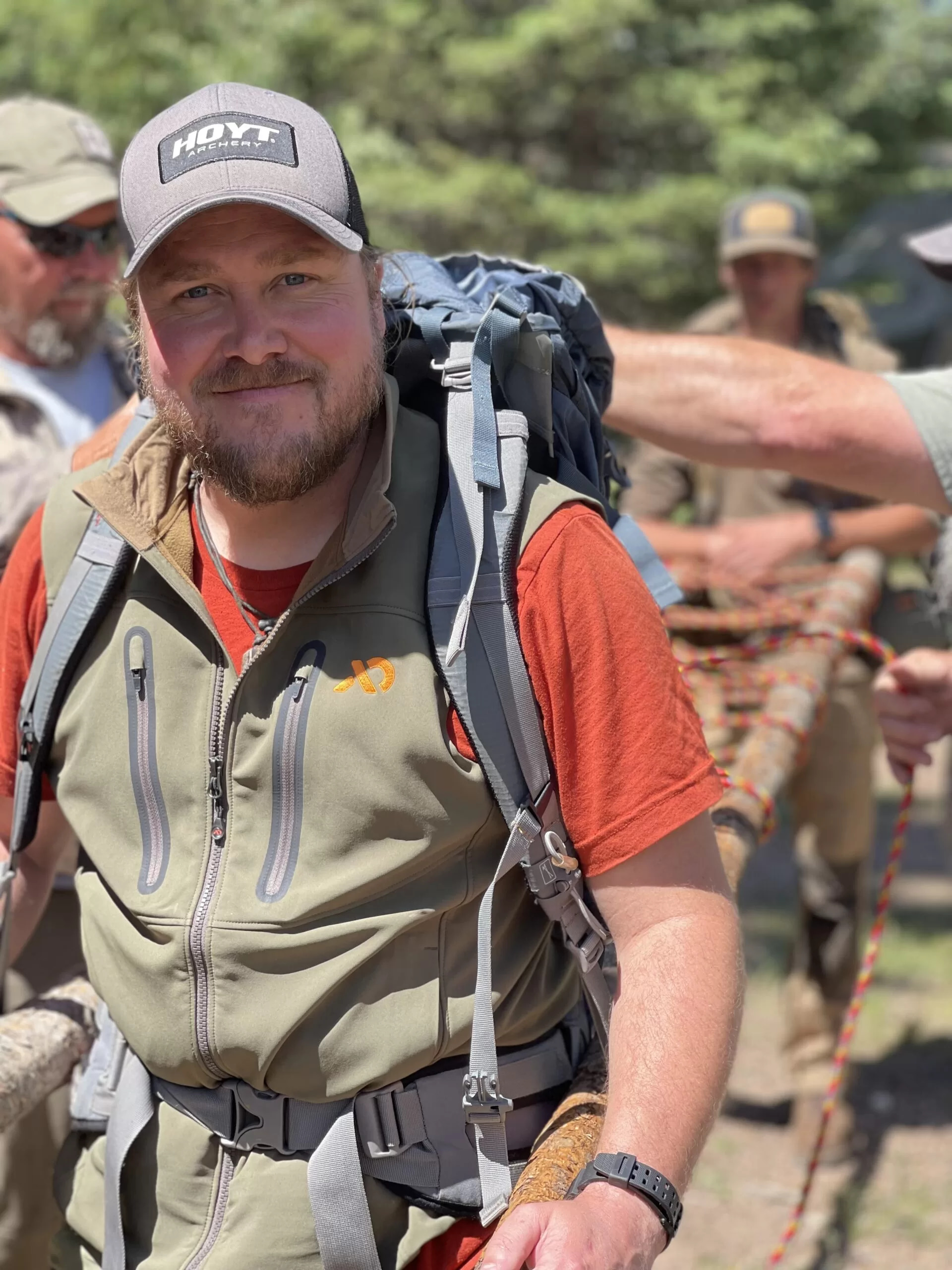
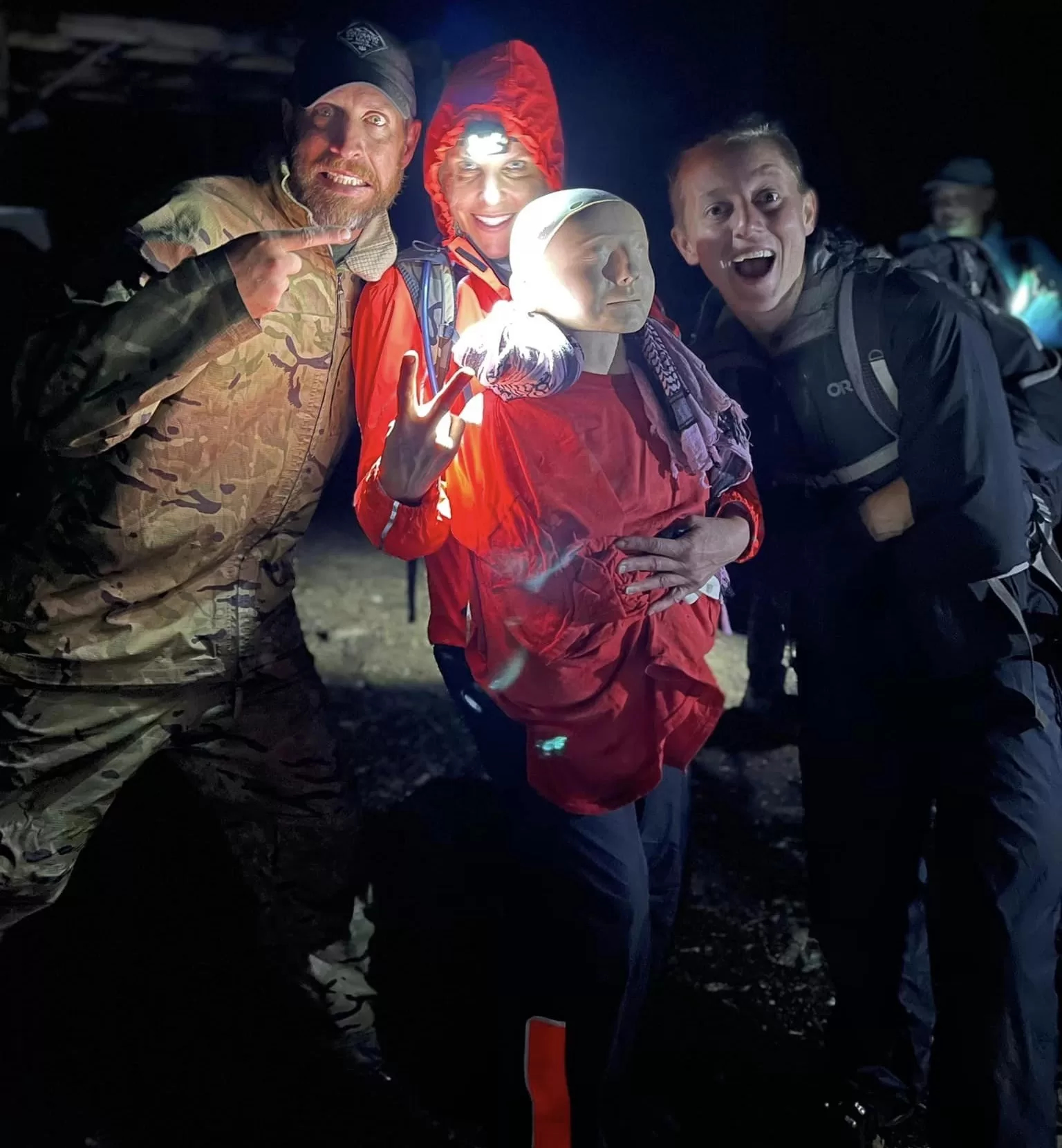
A Wilderness First Responder (WFR) class is an intensive training program designed to equip students with the skills necessary to provide emergency medical care in remote wilderness environments. This challenging course spans over seven days, during which students are exposed to a wide range of topics and techniques that they will need to master to become effective WFRs. Below are some of the key areas that students can expect to learn about in a WFR class.
Assessment and Prioritization One of the most critical skills that WFRs must master is the ability to assess a patient’s condition and prioritize treatment. In a wilderness setting, medical resources are often limited, and evacuations can take a long time to arrange. Therefore, WFRs must be able to quickly and accurately assess a patient’s injuries or illness and prioritize the most critical issues for treatment.
Trauma and Injury Management WFRs are trained to manage various types of trauma and injuries, such as fractures, dislocations, sprains, and lacerations. They learn how to stabilize injuries, control bleeding, and manage pain. Students also learn how to perform basic medical procedures, such as wound cleaning and dressing, splinting, and use of traction devices.
Environmental Emergencies Students in a WFR class will learn how to identify and manage environmental emergencies, such as hypothermia, hyperthermia, dehydration, and altitude sickness. They learn how to prevent these conditions and how to manage them when they occur. This training includes topics such as heat exhaustion, heat stroke, frostbite, and immersion injuries.
Medical Emergencies WFRs must also be equipped to handle medical emergencies such as anaphylaxis, asthma, heart attacks, and seizures. Students learn how to manage these emergencies, provide basic life support, and use medical equipment such as automated external defibrillators (AEDs).
Legal Considerations and Medications WFRs must understand the legal and ethical considerations surrounding medication administration in a wilderness setting. They must also know which medications are appropriate for certain conditions and how to safely administer them. WFRs also learn about the legal implications of administering medications without a prescription.
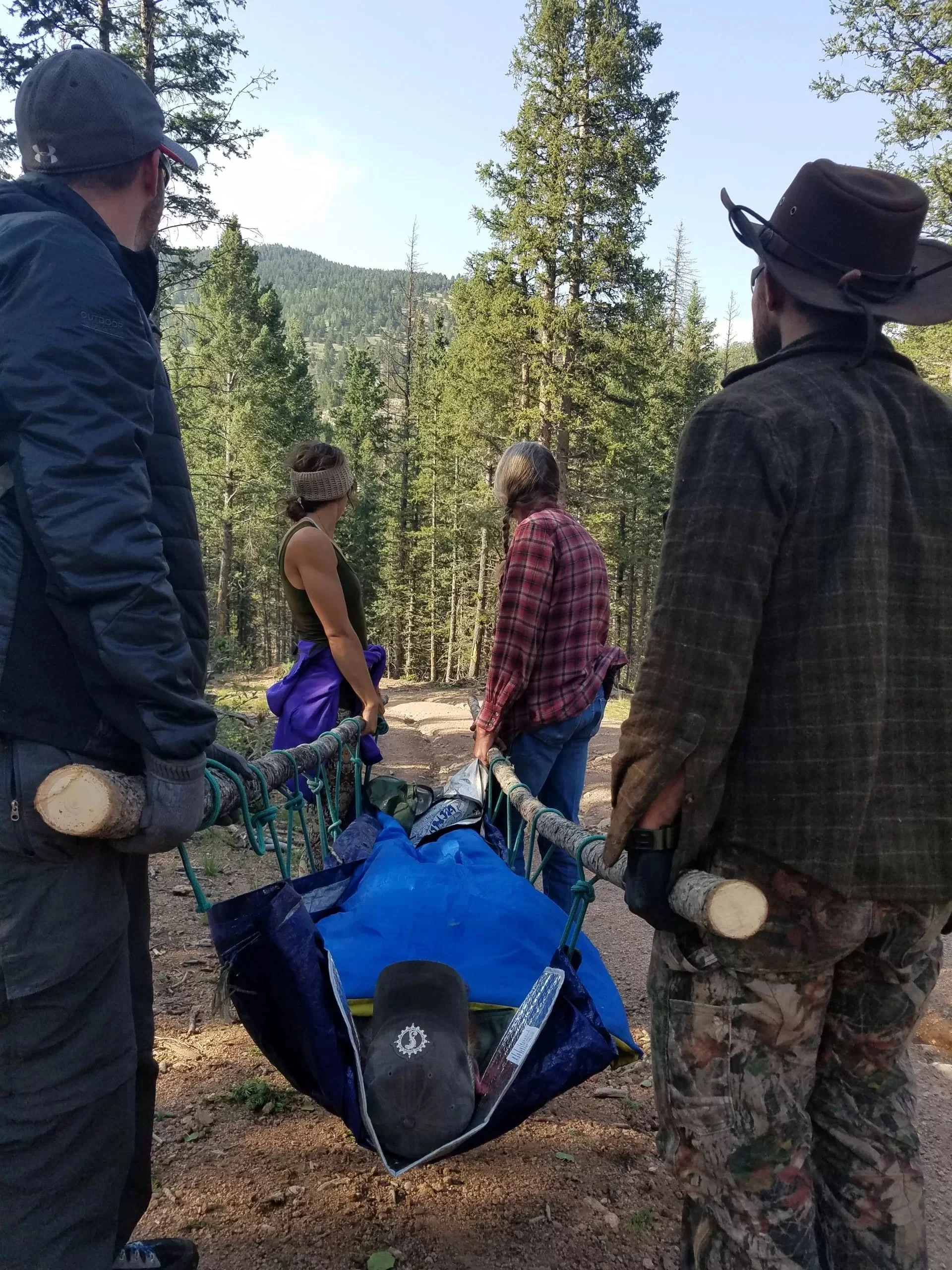
Evacuation and Rescue WFRs are trained to evacuate patients safely and efficiently from remote areas in a variety of settings, including on foot, by vehicle, or by air. They learn how to assess the need for evacuation, make a plan, and execute it.
This Wilderness First Responder class provides students with comprehensive training in emergency medical care in remote and challenging environments. Students will learn how to assess and prioritize injuries, manage trauma, deal with environmental and medical emergencies, administer medication appropriately, and safely evacuate patients. These skills are essential for anyone working or traveling in wilderness areas and make WFR training a must-have for outdoor enthusiasts, adventurers, guides, and anyone else who spends time in remote wilderness settings.
Colorado campus driving directions
Arrive by 7:00 AM for check-in. Class begins at 8:00 AM. Plan your drive so you are at the meeting location one hour before instruction begins.
Students enrolled in this course may remain on the training property overnight during the scheduled program. Students staying on the property provide their own shelter and sleeping equipment, using tents, tarps, hammocks, or primitive field shelters. Use of the training property overnight is limited to enrolled students and authorized program participants. Campsites are not independently rented or offered to the general public.
Students who prefer to stay off site can choose from multiple hotels and Airbnb rentals in the surrounding area. Cripple Creek is approximately a 15-minute drive from our location, and Woodland Park is approximately 30 minutes away. Students are responsible for arranging their own lodging and making reservations directly with their chosen provider. Please call or email us before the course if you have questions about overnight arrangements.
Water will be provided but students will need to bring their own food. We recommend quick field expedient meals such as freeze dried hiking meals or MRE’s. They can quickly be made at our primitive camps and won’t slow down the learning process. However, students may bring any food that they wish to cook over the campfire or on their own personal camp stove.
Food can be purchased locally at nearby facilities. Walmart and several local eateries are within a reasonable driving distance.
We do not provide students with gear unless they have purchased it from us ahead of time. Not much gear is needed for our courses, though good equipment does speed the learning process up greatly! Gear does not have to be purchased from our store to attend the course, but we recommend survival gear of equivalent quality.
Warm outdoor clothing, warm gloves and hat, outdoor boots and wool socks. Cotton clothing is highly discouraged in the mountains! Wool will keep you warm even when wet and synthetics will dry faster. Layers are important in Colorado. You will want a water wicking base layer, an insulating mid layer, and a waterproof breathable outer shell. Check out our Clothes Layering Basics if you are unsure of what to wear.
If it is still not clear what gear is needed for our survival courses, then we have assembled a complete kit that is still high quality but for a budget friendly price. All the items in this kit were hand selected by our instructors to be the best bushcraft tools on a budget. This survival kit is a useful starter kit that can be used in all of our courses. These are all must have tools at a good price. It’s a great survival kit, bug out kit, go bag, or use it as a solid foundation to build a kit that perfectly fits your needs. With this kit and our training anybody can survive like a king in almost any environment!
Due to the different levels of prior experience and knowledge among students in each class, individual outcomes may vary. Weather conditions can also be a factor in changing class content slightly. Nonetheless, our instructors will always endeavor to be as accommodating and consistent as circumstances will allow to ensure students get the best training experience and value for money.
-
Select options This product has multiple variants. The options may be chosen on the product page
-
Select options This product has multiple variants. The options may be chosen on the product page
-
Select options This product has multiple variants. The options may be chosen on the product page
-
Select options This product has multiple variants. The options may be chosen on the product page