Cart
Sub-Total: $0.00
16 min read
February 1, 2026
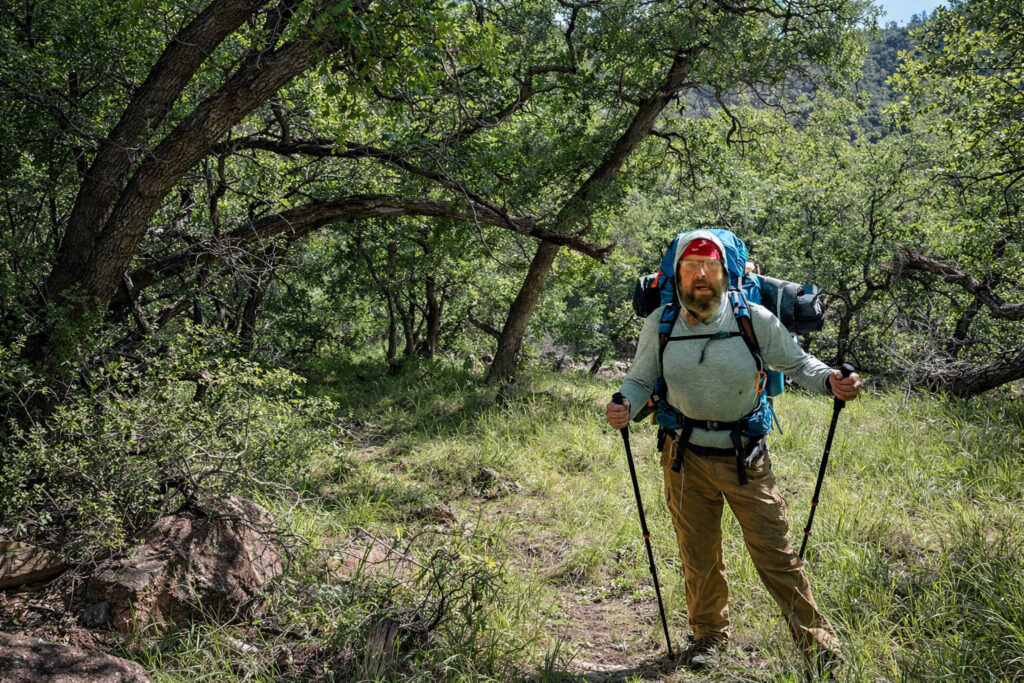
When something goes wrong in the mountains, the desert, or the backcountry, there is a phrase that shows up over and over again in news articles and social media posts.
“He was an avid outdoorsman.”
“She was an experienced outdoorswoman.”
It is usually meant as reassurance. A way of saying this person knew what they were doing. A way of implying that what happened was some rare, unavoidable fluke. But that phrase has always bothered me, because it quietly assumes something that is often not true.
Spending a lot of time outdoors does not automatically mean someone is good at handling things when they go wrong.
Recreating in wild places and dealing with real world problems in wild places are not the same thing. They overlap, but they are not interchangeable. One is built around enjoyment and familiarity. The other is built around decision making, adaptability, and response when comfort disappears.
An avid outdoor person is not the same thing as a capable survival practitioner. One is about recreation. The other is about response. Survival is not measured by how often you go outside. It is measured by how you respond when your plan stops working.
Many people who get hurt or killed outdoors were not careless or inexperienced. They were comfortable. They had done the activity many times before. They had a history of success. And for a long time, that success reinforced the belief that they were more capable than they actually were.
Often, they were not unskilled. They were highly capable within their outdoor hobby of choice, whether that was trail running, mountaineering, camping, climbing, or something similar. But that capability was built around familiarity. Familiar with their gear. Familiar with the terrain they usually traveled. Familiar with favorable conditions. Familiar with things going right.
Familiarity breeds confidence, but confidence is not the same as competence.
A lot of people do not fail in the outdoors because they were reckless. They fail when something outside their normal lane shows up, when conditions, variables, or problems enter the picture that does not belong to their specific recreation of choice. When the larger reality of being outdoors reaches in and interferes with what was supposed to be a controlled, familiar experience, that is often when things start to unravel.
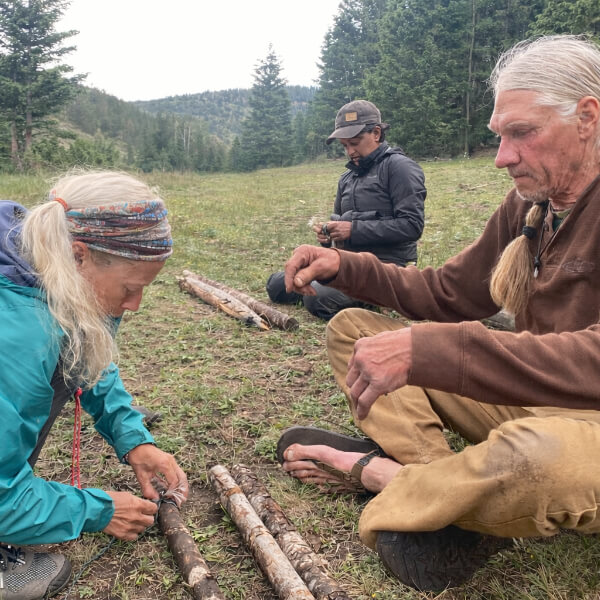
Most people honestly believe they are fairly capable when it comes to outdoor skills, and that belief usually comes from real experience. Fire starting is a good example. Many people will confidently say they know how to start a fire, and they are not lying. They have started campfires before, often dozens of times, and those experiences feel like proof.
But when you look closer, most of those fires were started in low stress environments. The materials were dry or at least forgiving. Extra tinder or accelerants were available. There was time to work through frustration. Backup plans existed if things did not go smoothly. The person starting the fire was usually relatively warm, dry, and comfortable when they began.
Even when the weather was poor, there was almost always an escape hatch. A car nearby. A tent to retreat to. Extra clothes. Extra food. A lighter or dry tinder buried somewhere in a pack. Sometimes gasoline, fire starter, or newspaper. Comfort was never fully removed from the equation, even if people did not consciously think about it that way. That context matters far more than most people realize.
When someone succeeds at a skill over and over in a forgiving environment, the brain does something very human. It turns a conditional ability into a fixed identity. “I can start a fire” quietly becomes “I am good at fire.” The problem is that most outdoor skills are not binary. They are not simply yes or no. A fire is not just “lit” or “not lit.” They are highly dependent on conditions. Remove the fallback options, change the environment, or add pressure, and the skill itself changes dramatically.
That does not just apply to fire. It applies to shelter building, navigation, water procurement, animal awareness, group leadership, and decision making under pressure. Most people have only practiced these things in low stress environments, where failure carried little consequence and success was easy to assume.
So when people show up to train with me, many of them arrive confident. Not arrogant, but confident. They believe they are there to polish skills rather than fundamentally reframe them. They expect the experience to be challenging and fun, but still manageable.
Then the environment changes.
Then I step in and intentionally add stressors.
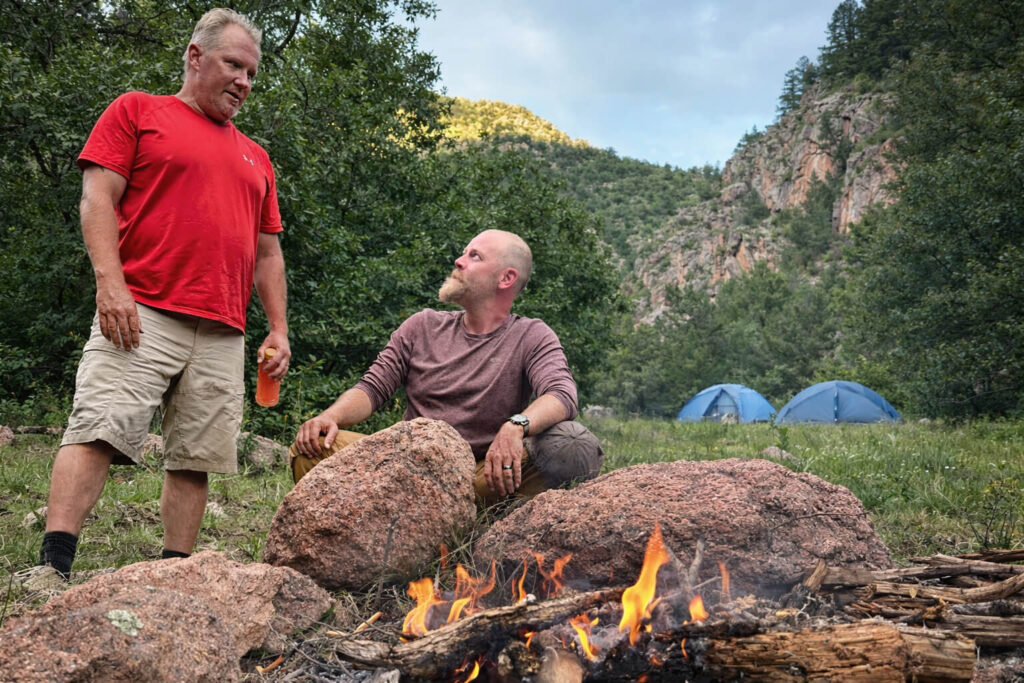
There is a real and often misunderstood difference between practicing a skill and performing that same skill when things stop being comfortable. Practice usually happens in environments where people feel safe, unhurried, and protected from consequences. Performance happens when that safety disappears and the outcome suddenly matters. Most people never realize how wide that gap is until they step into it.
For many outdoor skills, practice has taken place almost entirely in low stress environments. When something did not work, people could stop, reset, and try again later. There was time to think, room to experiment, and the comfort of knowing that failure carried very little cost. Stress was optional. If frustration set in, there was always a way out. That context quietly shapes how people judge their own abilities.
In real world scenarios, those buffers are often gone. Hands are cold and do not work the way they normally do. Energy is lower than expected. Weather changes faster than planned. Time feels compressed, even when it technically is not. Confidence starts to erode as small problems stack up. In those moments, people discover that knowing the steps of a skill is not the same as being able to execute that skill when their nervous system is activated.
That is where training has to look different. When I work with people, especially at the beginner level, the goal is never to overwhelm or break them. But I do intentionally remove the easy tools, the shortcuts, and the safety nets that most people have unknowingly relied on for years. I make things more honest. I take away the conditions that made the skill feel easy in the first place.
When someone struggles to start a fire under marginal conditions, it is not because they suddenly forgot what they knew. It is because they are finally seeing the skill without the training wheels that they put in place. The illusion disappears, and what remains is the truth of where their preparation actually lives. The skill did not fail. The context changed.
That moment is uncomfortable for many people, but it is also where real learning begins. It forces awareness, adaptation, and humility. And once someone experiences that shift, it changes how they approach every other skill they thought they already had figured out.
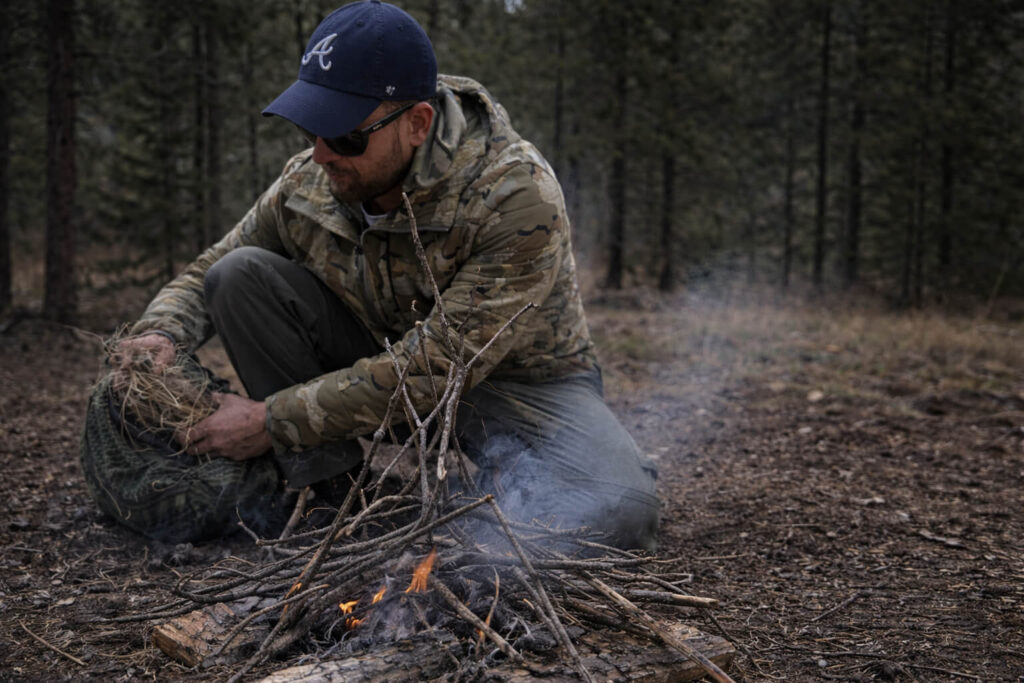
Modern survival media does not help with this problem. Television shows and online content often present survival as something clean, logical, and manageable. Even when they do not intend to, they end up teaching the wrong lessons by showing a version of survival that has been stripped of friction, uncertainty, and consequence.
What people are shown are edited timelines, controlled risk, and environments that have been carefully selected. Outcomes are known in advance, even if the viewer does not consciously register that fact. What never makes it onto the screen are the support teams standing just outside the frame, the medical oversight, the ability to stop and reset, and the long stretches of failure or waiting that get cut because they are not entertaining. All of that absence quietly reshapes how people think survival actually works.
Viewed from the couch, everything looks manageable. Problems appear solvable with a little grit and creativity. Decisions seem obvious. Mistakes feel easy to critique. It is natural for people to imagine themselves doing better, especially when they are calm, comfortable, and watching the situation unfold with the benefit of hindsight.
That distinction matters, because this is also where people sometimes misunderstand my own analysis of real world accidents and fatalities. When I write about things that likely went wrong, I am occasionally accused of armchair quarterbacking, as if I am critiquing events from the same detached, comfortable place as everyone else. But that is not where my perspective comes from. I am not imagining scenarios from a couch or romanticizing tragedy after the fact. I am drawing from years of watching people struggle with the same stress responses, decision making errors, and cascading mistakes during training. When I read about a fatal incident, I can often visualize the moment where something shifted, not as speculation, but because I have seen those moments play out repeatedly in real time. That analysis comes less from hindsight and more from pattern recognition, the same way an experienced coach or commentator sees a play developing because they understand what happens under pressure.
That misunderstanding feeds directly into a larger problem. The confidence people build from watching, imagining, or even casually recreating feels real to them, but it has never been meaningfully tested. It is confidence formed without paying the cost of stress, uncertainty, fatigue, or consequence. There is no pressure, no urgency, and no penalty for being wrong, so the brain quietly fills in the gaps and mistakes observation for competence.
When those same people step into a real environment, the contrast is immediate. Nothing is scripted. Nothing is guaranteed. There is no rewind and no reset button. Conditions change without warning, small problems stack up, and decisions carry weight. That is when the gap between imagined capability and lived experience becomes impossible to ignore.
Real world survival is rarely dramatic in the way people expect. It is often frustrating, repetitive, and mentally exhausting. Progress comes in inches, not breakthroughs. Success depends less on bold moves and more on a long series of small, unglamorous decisions that compound over time. When people finally experience that process without polish or editing, they realize that the hardest part was never the technique itself. It was managing their own mindset, stress, and reactions along the way.
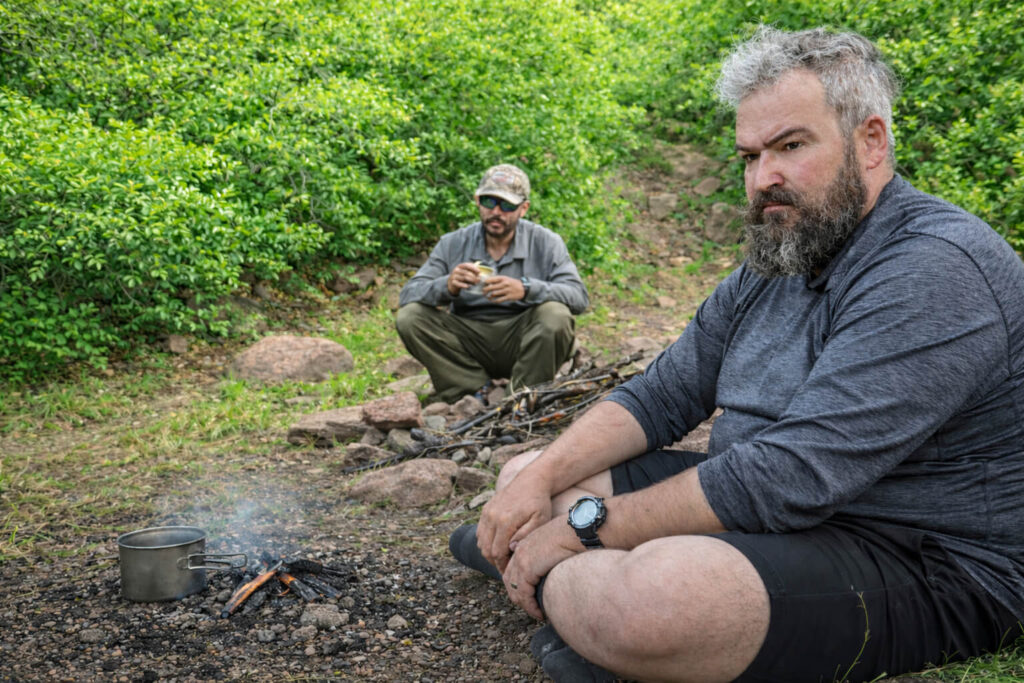
Stress is the missing ingredient in how most people assess their own abilities. Skills often look solid when practiced in calm, controlled conditions, but stress has a way of revealing what is actually there. It does not magically make people worse. It exposes weak systems, shallow preparation, and habits that only function when conditions are favorable.
When people struggle during training, it is rarely because the task itself is impossible. More often, it is because stress begins to narrow their thinking. Fine motor skills degrade. Attention tunnels. Shortcuts become tempting. Decision making shifts from deliberate to reactive. People rush steps they normally would not, skip preparation they know better than to skip, or fixate on one solution instead of adapting when it stops working.
This is why training without stress only tells part of the story. It shows whether someone understands the mechanics of a skill, but it does not show how they will behave when friction is introduced. Without pressure, people never have to confront how they manage frustration, uncertainty, or the urge to force outcomes.
When stress is introduced in controlled doses, something important happens. People begin to adapt. They slow themselves down. They learn to regulate their breathing, their focus, and their emotions. Instead of relying on luck or hoping things will work out, they start relying on process. They pay more attention to preparation, sequencing, and decision making, because they feel the cost of getting it wrong.
That lesson carries far beyond any single task. Navigation becomes less about memorizing routes and more about maintaining awareness. Shelter becomes less about clever design and more about placement and timing. Fire becomes less about tools and more about preparation and material selection. By the end of it, people realize the work was never about mastering one isolated skill. It was about learning how they respond when that skill does not work immediately, and how quickly they can adapt when stress enters the equation.
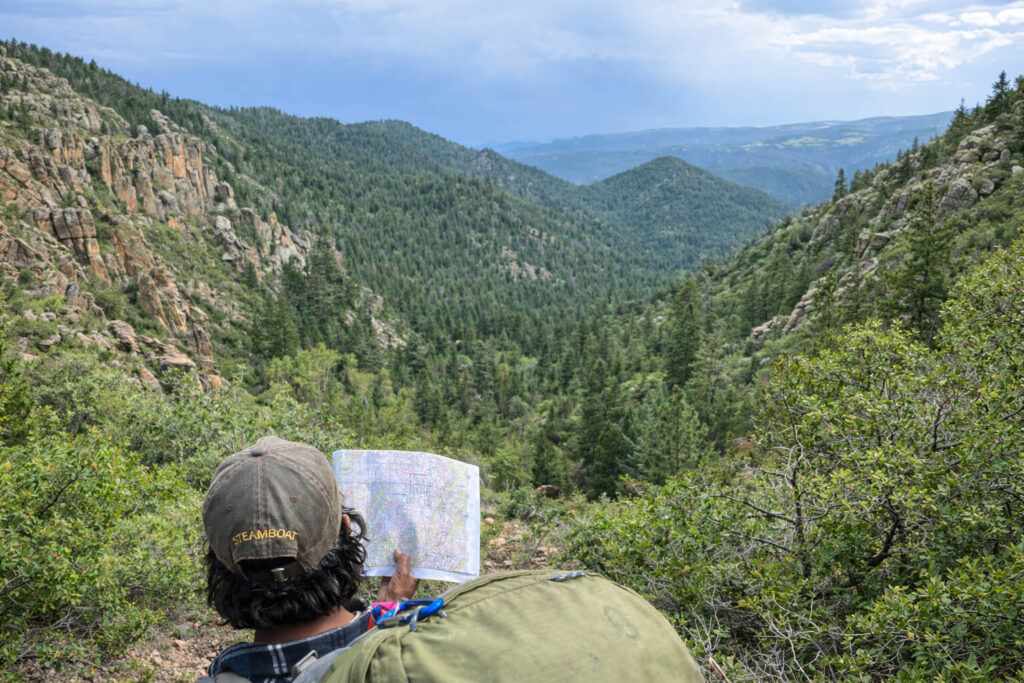
This is where the idea of the “avid outdoorsman” really begins to break down. Many people who recreate frequently develop deep familiarity with their chosen activity. They know the trails they usually travel, the seasons they prefer to go out in, and the patterns they have seen repeat over time. That familiarity creates comfort, and comfort quietly turns into assumption.
Those assumptions often work right up until something deviates from the norm. A weather shift arrives earlier or harder than expected. A turn is missed. An injury slows the pace. A return takes longer than planned. None of these problems are dramatic on their own, but each one pushes the situation outside the narrow lane where familiarity is useful.
When that happens, familiarity does not always help. In some cases, it actively works against people. They continue operating as if conditions will return to normal, because that is what has always happened before. Decisions get delayed. Warning signs get minimized. The environment is treated as predictable long after it has stopped behaving that way.
Most survival situations do not announce themselves loudly. They rarely begin with a single catastrophic event. More often, they start quietly, as small problems that are dismissed, rationalized, or pushed aside until they stack into something harder to manage. The difference between someone who adapts and someone who spirals has very little to do with how often they recreate. It comes down to how they handle uncertainty when their assumptions stop matching reality.
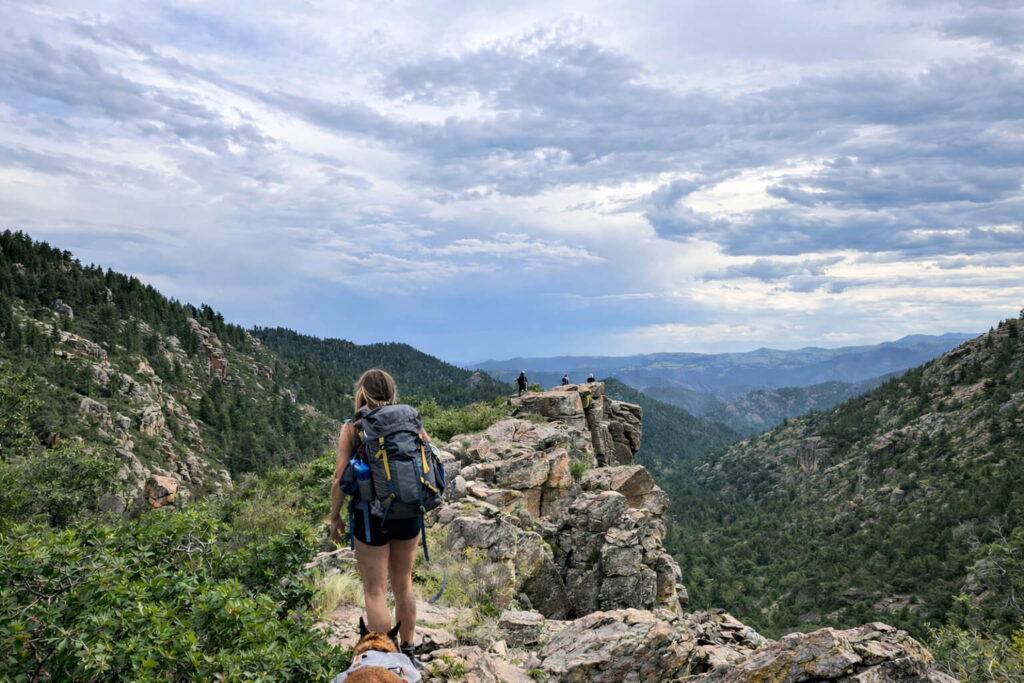
This same pattern does not stop at the edge of the wilderness. It shows up just as clearly in urban and suburban environments, even though it looks different on the surface. People assume that because they live surrounded by systems, those systems will always be there when they need them. Power, communication, transportation, medical access, and social order are treated as permanent features of life rather than conditional ones.
Modern life, much like outdoor recreation, is incredibly forgiving right up until it is not. Most days, things work smoothly enough that people never have to think about how dependent they are on infrastructure they did not build and do not control. That familiarity creates confidence, and that confidence quietly turns into assumption. As long as everything functions normally, those assumptions go unchallenged.
When disruptions occur, even small ones, stress reveals gaps quickly. People realize how little experience they have making decisions without clear information, reliable communication, or immediate support. The skills they thought they had were often just habits formed inside a stable system. Once that stability wobbles, comfort disappears and uncertainty takes its place.
The setting may change from mountains to city streets, but the lesson remains the same. People tend to judge their abilities based on comfort, not conditions. And just like in the backcountry, it is the conditions that ultimately decide how prepared someone really is.
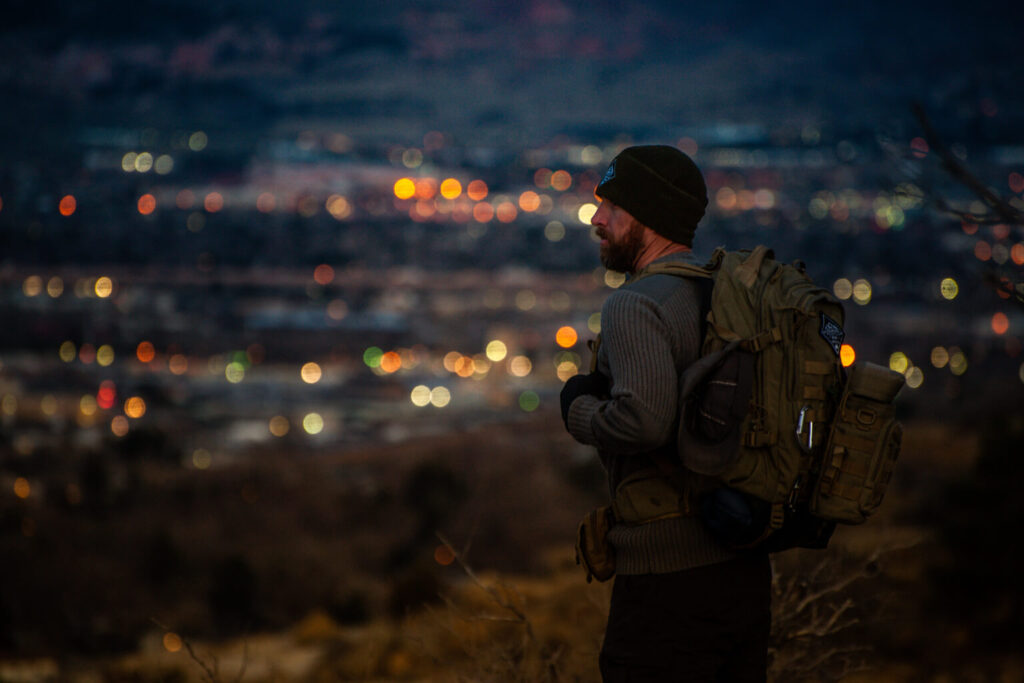
This is not about telling people they are bad at things or pointing fingers after the fact. It is about being honest about how humans actually learn and how confidence is formed. Most people do not intentionally overestimate their abilities. They simply build confidence in environments that never require them to test it in meaningful ways.
Most people are more capable than they think they are, but only if they train honestly. Real capability does not come from repeating successes in safe, forgiving environments. It comes from controlled failure, reflection, and adaptation. It comes from being allowed to struggle without being harmed, and from learning how to respond when things do not go as planned.
When people experience real conditions for the first time, many of them feel humbled. That humility can be uncomfortable, but it is often paired with something more productive. People realize they are not stuck where they started. They can learn. They can adjust. They can improve. That realization builds a deeper, more durable kind of confidence.
That is the shift that actually matters. Not a move from unskilled to skilled, but a shift from assumed competence to earned confidence, built through experience that reflects reality rather than comfort.
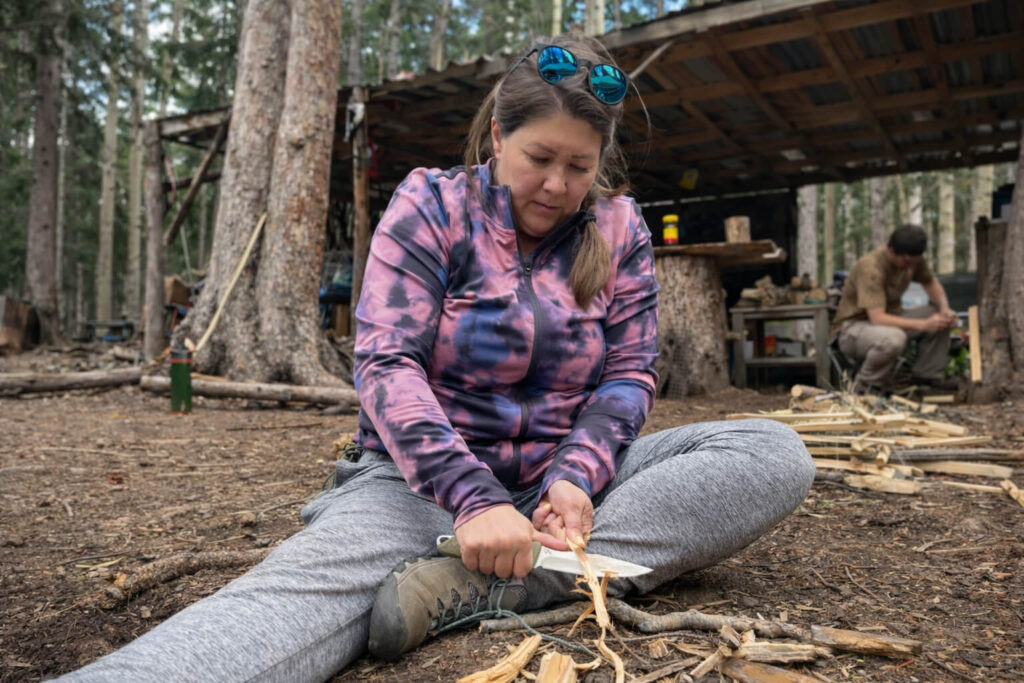
Being an avid outdoor person is not a flaw. Loving wild places matters. Spending time outside builds connection, awareness, and appreciation that many people never develop. Those experiences have value on their own. But time spent recreating, by itself, does not prepare someone for uncertainty, stress, or adversity when conditions change and comfort disappears.
Survival is not defined by how often someone goes outside or how familiar they are with a place. It shows up in how they respond when plans stop working, when assumptions break down, and when the environment no longer behaves the way they expected it to. That response is shaped far more by honest preparation than by familiarity alone.
Luck can carry people a long way, sometimes for years. Many never realize how much of their success rested on favorable conditions and timing. Training is what teaches people how to respond when luck runs out, when variables stack up, and when decisions suddenly carry weight. That difference is quiet, but it is profound, and it matters far more than most people realize until they are forced to confront it.
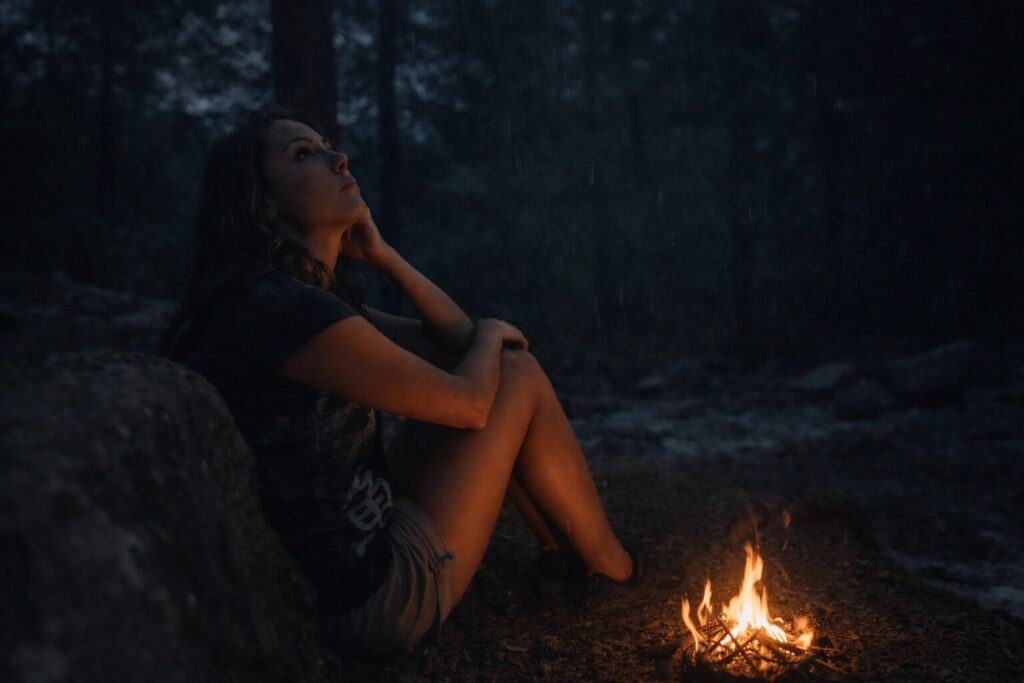
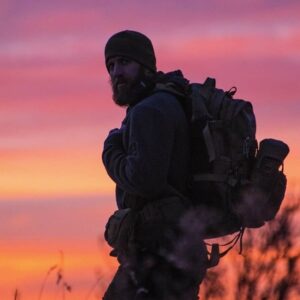
Jason Marsteiner is the founder and lead instructor at The Survival University, where he’s turned his obsession with staying alive into a mission to teach real-world survival skills. Forget fancy gear, Jason’s all about the know-how that gets you through the wild or a city crisis. A published author of Wilderness Survival Guide: Practical Skills for the Outdoor Adventurer, he’s distilled years of hard-earned wisdom into lessons anyone can use.
Raised in Colorado’s rugged mountains, Jason’s survival chops were forged in the wild—from Missouri forests to Arizona deserts to Costa Rican jungles. He’s navigated it all with next to nothing, earning creds like Wilderness First Responder (WFR) and SAR tracking along the way. He’s trained thousands to keep cool when 911’s out of reach, proving survival’s not just for grizzled adventurers, it’s for hikers, parents, and city slickers alike.
Jason’s mantra? Everyone should make it home safe. When he’s not running courses, he’s designing knives, mentoring newbies, or chilling in the city like the rest of us, always sharpening the skills that turn panic into power.
When something goes wrong outdoors, the phrase “avid outdoorsman” is often used as reassurance. But time spent recreating in wild places does not automatically prepare...

Hypothermia rarely announces itself as an emergency. It quietly erodes judgment first, long before the body shuts down, turning small decisions into dangerous ones without...
Hypothermia rarely announces itself as an emergency. It quietly erodes judgment first, long before the body shuts down, turning small decisions into dangerous ones without...
Getting lost isn’t random, it’s preventable. Lost proofing teaches awareness, communication, and preparation so you never become a headline. Learn the mindset and habits that...
The 5 C’s of Survival have guided outdoorsmen for years, but gear alone doesn’t save lives. Real survival is about mindset, adaptation, and the decisions...
Discover the importance of developing a survivalist mindset in our latest blog post by Jason Marsteiner, founder of The Survival University. Learn how immersive training,...
Learn essential survival tips for facing natural disasters, getting lost, or emergencies. Stay calm, prioritize needs, find shelter, water, food, and more to increase your...
Survival is not just about wilderness skills, it is also about a strong mindset. Understand Survival psychology to increase your survival chances.