Cart
Sub-Total: $0.00
Price range: $165.00 through $295.00
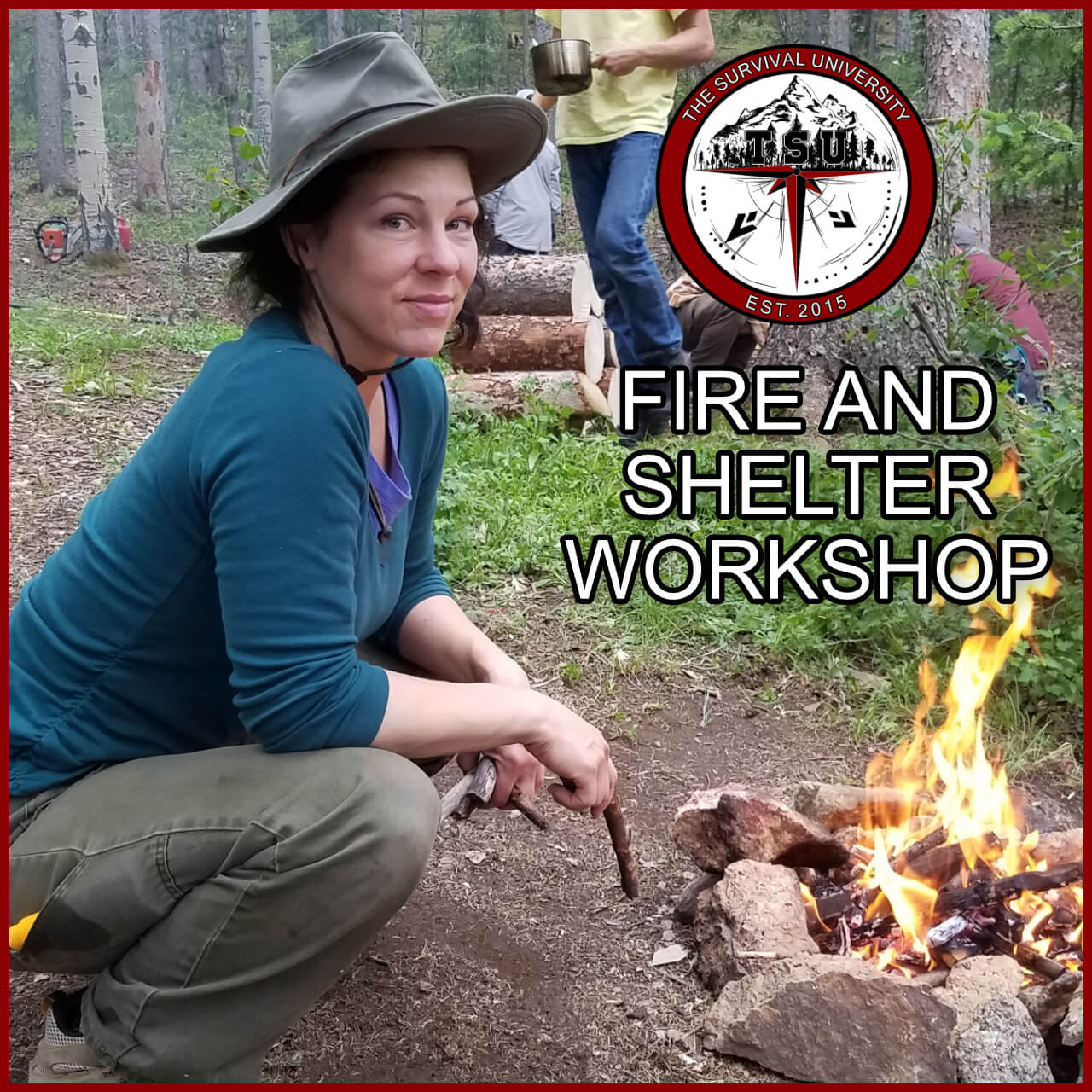
Learn the two most important outdoor skills for staying alive and comfortable in the wilderness: making fire and building shelter. This hands on, one day workshop teaches modern fire starting techniques, fire lays, and how to select and build effective shelters using tarps and natural materials. This is a single day, field based class.
Learn the two most important skills for staying alive in the wilderness: making fire and building shelter.
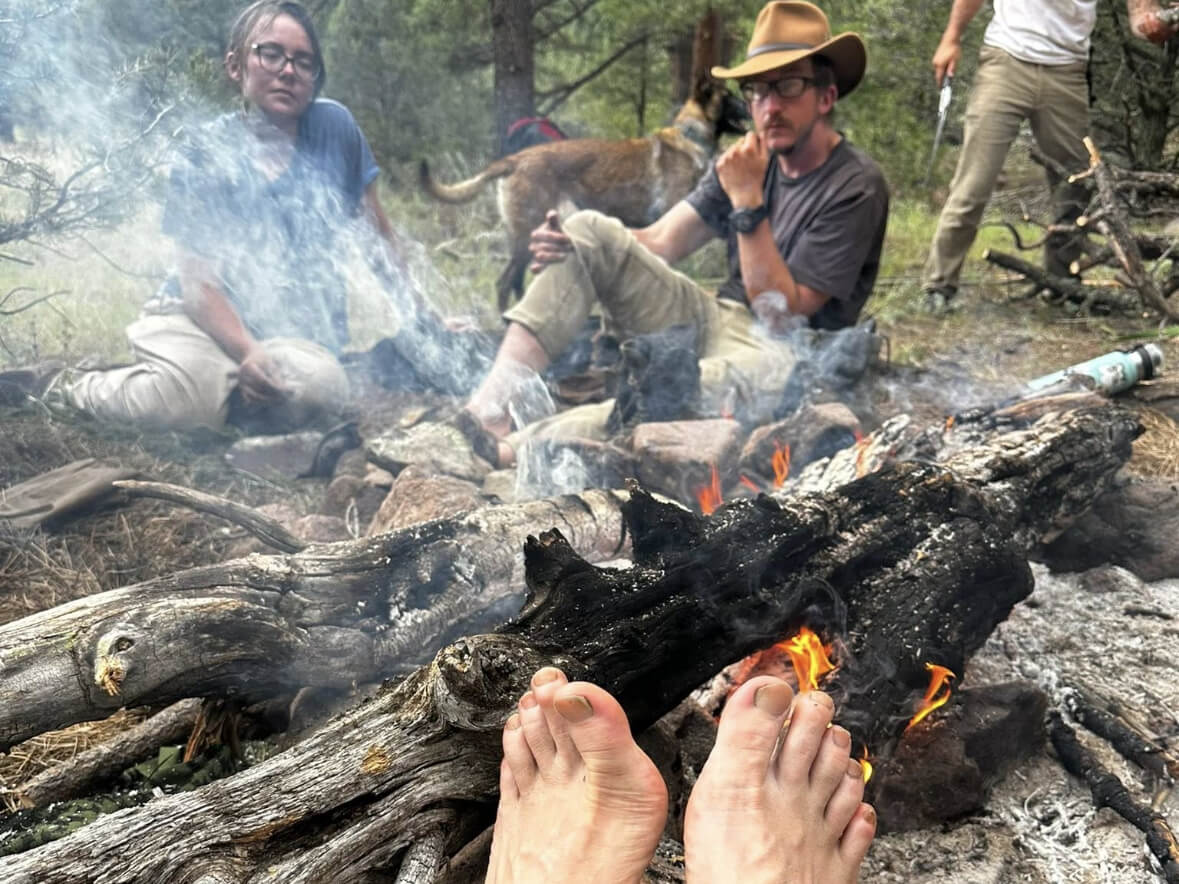
This one-day hands-on workshop focuses on the real-world skills that keep you warm, dry, and thinking clearly when the environment turns against you. You’ll spend the day learning practical, proven methods used by outdoor professionals, rescuers, and survival instructors.
What You’ll Learn:
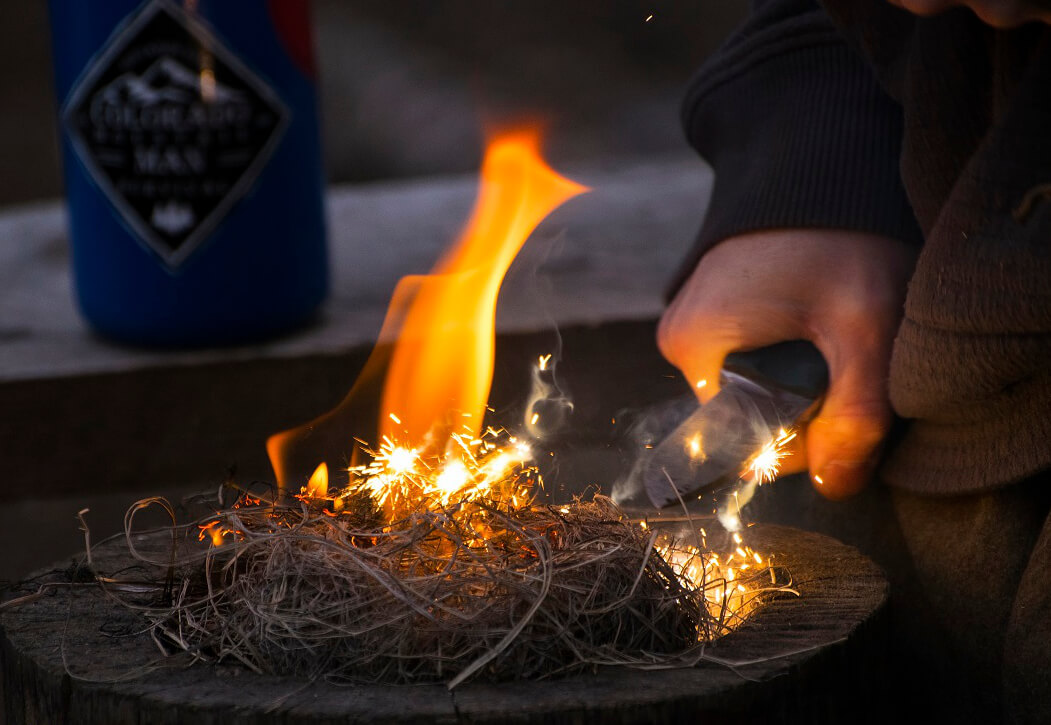
Modern methods (ferro rod, lighter)
How to select natural tinders and kindling that work in all weather
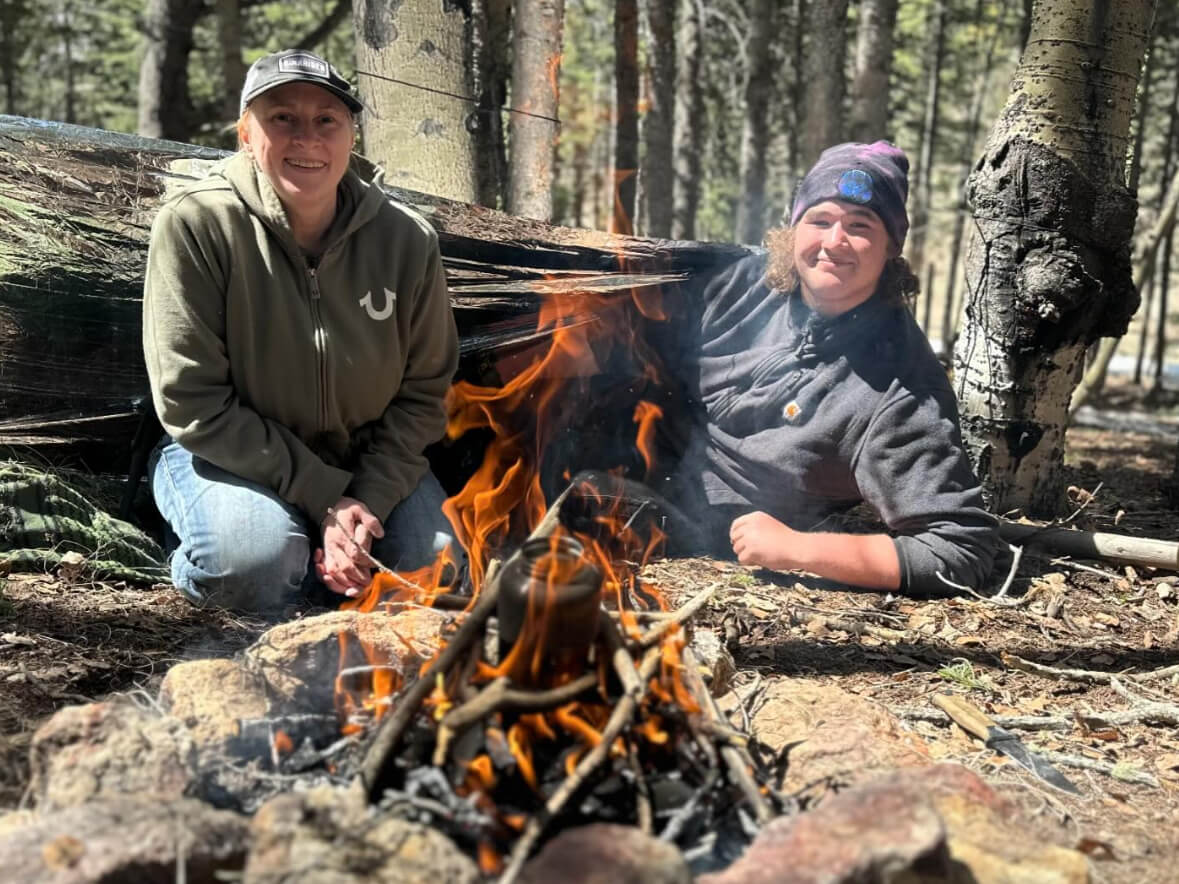
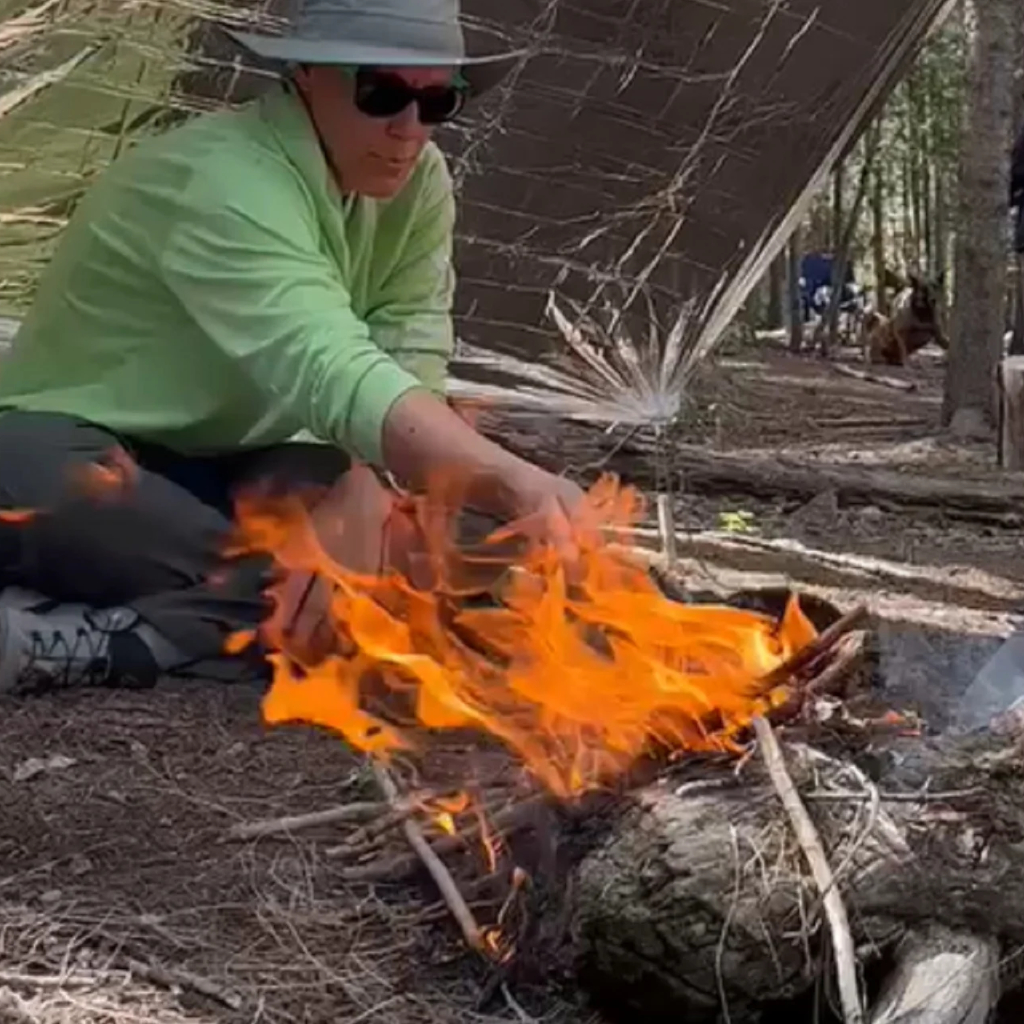
Fire lays and maintenance techniques for warmth, signaling, and cooking
Shelter priorities and design for different climates and conditions
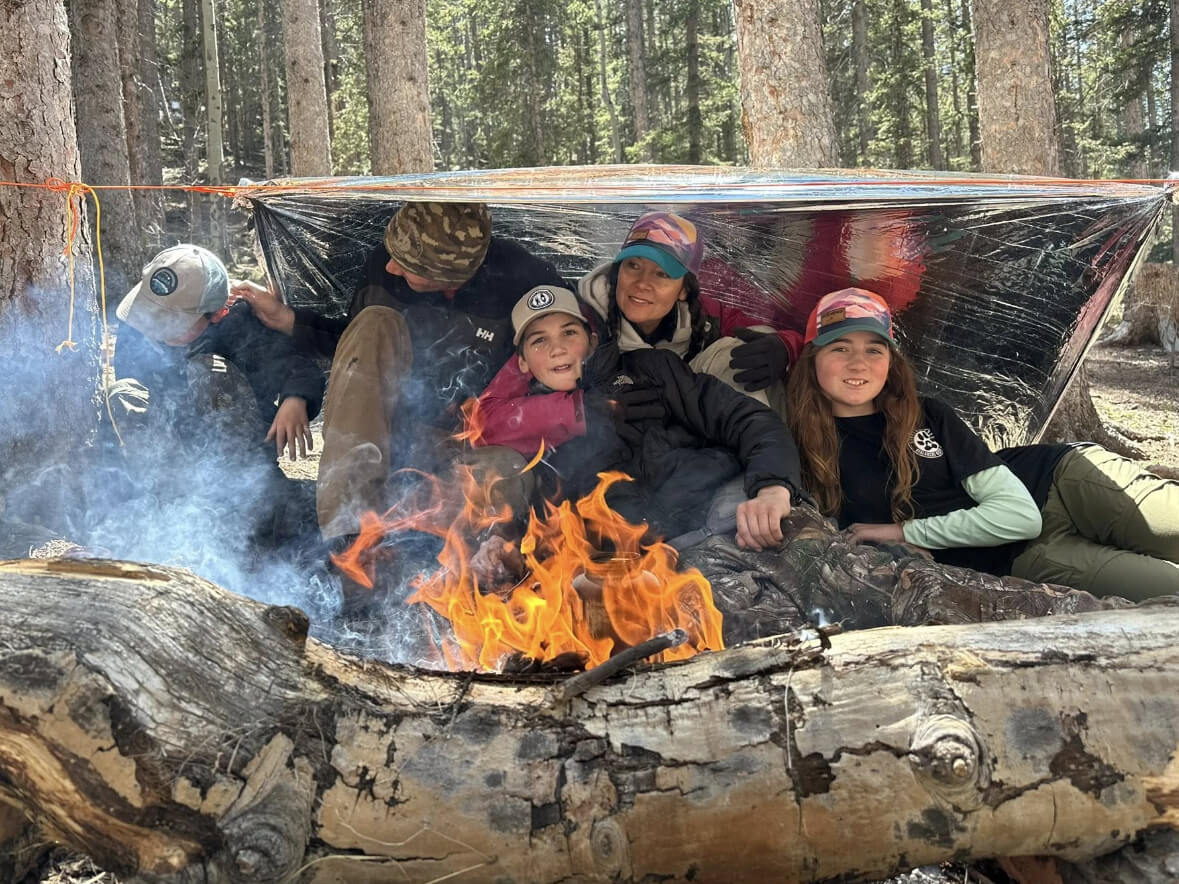
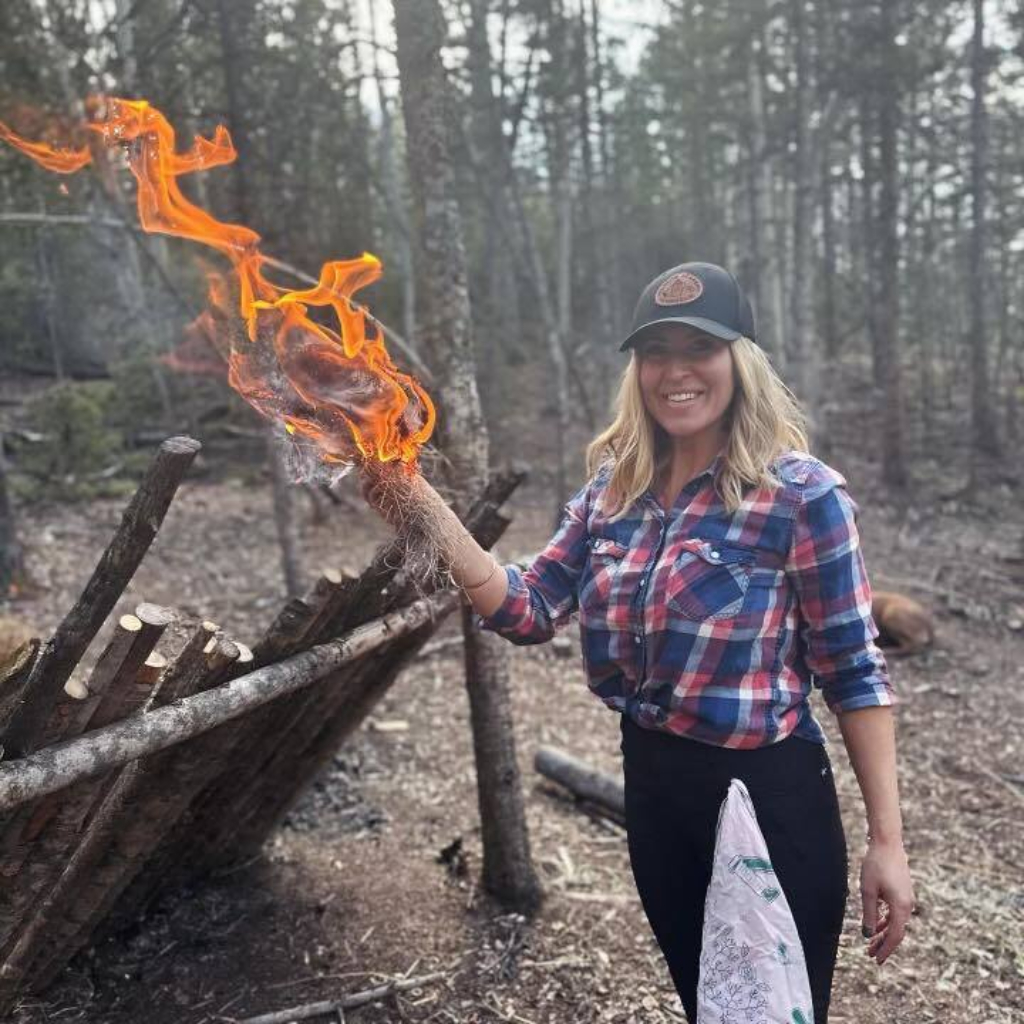
How to use natural materials and tarps effectively
Layering, insulation, and site selection for safety and comfort
Real-world testing: build and maintain your own shelter and fire setup
What to Expect:
This is a full-day, field-based class with minimal lecture time. You’ll be outside all day, getting your hands dirty and learning through direct experience. Bring weather-appropriate clothing, food, and water. All tools and materials are provided.
Who It’s For:
Perfect for beginners, hikers, hunters, campers, and anyone who wants to gain real confidence outdoors. No prior experience required.
Schedule:
Saturday, 9:00 AM – 5:00 PM
Held near Cripple Creek, Colorado
Course Name: Fire and Shelter Workshop
Location: Mountain Camp, Colorado – 9,500 ft elevation, pine and aspen forest, private land
Schedule: 9:00 AM – 5:00 PM each day
Duration: 1 Day
Approach: Hands-on training, practical skills, family-friendly, beginner-friendly
Driving Directions: [Click here for directions]
Address: 71 Monarch Dr, Cripple Creek, CO 80813
(Important: Our camp is remote and GPS is often unreliable. Please read these directions carefully and have them saved or printed before you leave. Cell service is limited once you head into the mountains.)
This workshop is a single day course with no overnight component.
Students who choose to add the second day (Water, Signaling, and Navigation Workshop) may camp on site overnight or stay in nearby towns. Cripple Creek is approximately 15 minutes away, and Woodland Park is about 30 minutes away. Lodging is the responsibility of the student.
For those staying on site overnight, a central fire ring and several designated camping areas are available, with dispersed camping as the primary option. Vehicles may be parked within roughly 100 feet of the main camp area.
Students attending both days are responsible for their own overnight shelter. Tents, campers, hammocks, or tarp setups are all welcome.
Facilities:
Porta potty restroom and potable water provided at camp.
Potable water is available on-site. Students should bring their own food for the duration of the class. Simple, quick meals like freeze-dried pouches or MREs are recommended, but any camp-friendly food or items for cooking over the fire or a small personal stove are fine. Local groceries and restaurants are nearby if needed.
Core Tools
Fixed-blade knife (full tang, 4–5” blade, plain edge)
Ferrocerium rod and striker
Folding hand saw
50–100 feet of 550 paracord
Small backpack or daypack
Shelter & Sleep
Tent, tarp, or hammock
Sleeping bag and pad
Rain gear or poncho
Cooking & Water
Metal pot or cup
Eating utensils and small bowl/plate
Single-walled metal water bottle or canteen
Meals and snacks
Clothing
Non-cotton layers (wicking base, insulating mid, waterproof outer shell)
Outdoor boots and wool socks
Warm gloves and hat
Sunglasses, sunscreen, insect repellent
Shemagh, bandana, or scarf
Lighting & Miscellaneous
Headlamp with spare batteries
Personal first aid kit
Notebook and pencil (optional)
Optional Comfort Items
Camp chair or stool
Pillow or cushion
Extra snacks or comfort food
Camera or phone for photos
-
Select options This product has multiple variants. The options may be chosen on the product page
-
Select options This product has multiple variants. The options may be chosen on the product page
-
Select options This product has multiple variants. The options may be chosen on the product page
-
Select options This product has multiple variants. The options may be chosen on the product page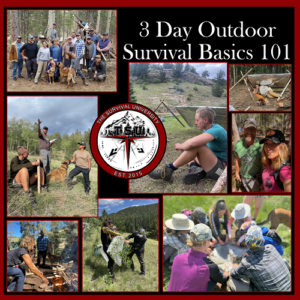
-
Select options This product has multiple variants. The options may be chosen on the product page
-
Select options This product has multiple variants. The options may be chosen on the product page
-
Select options This product has multiple variants. The options may be chosen on the product page
-
Select options This product has multiple variants. The options may be chosen on the product page