Cart
Sub-Total: $0.00
Price range: $165.00 through $295.00
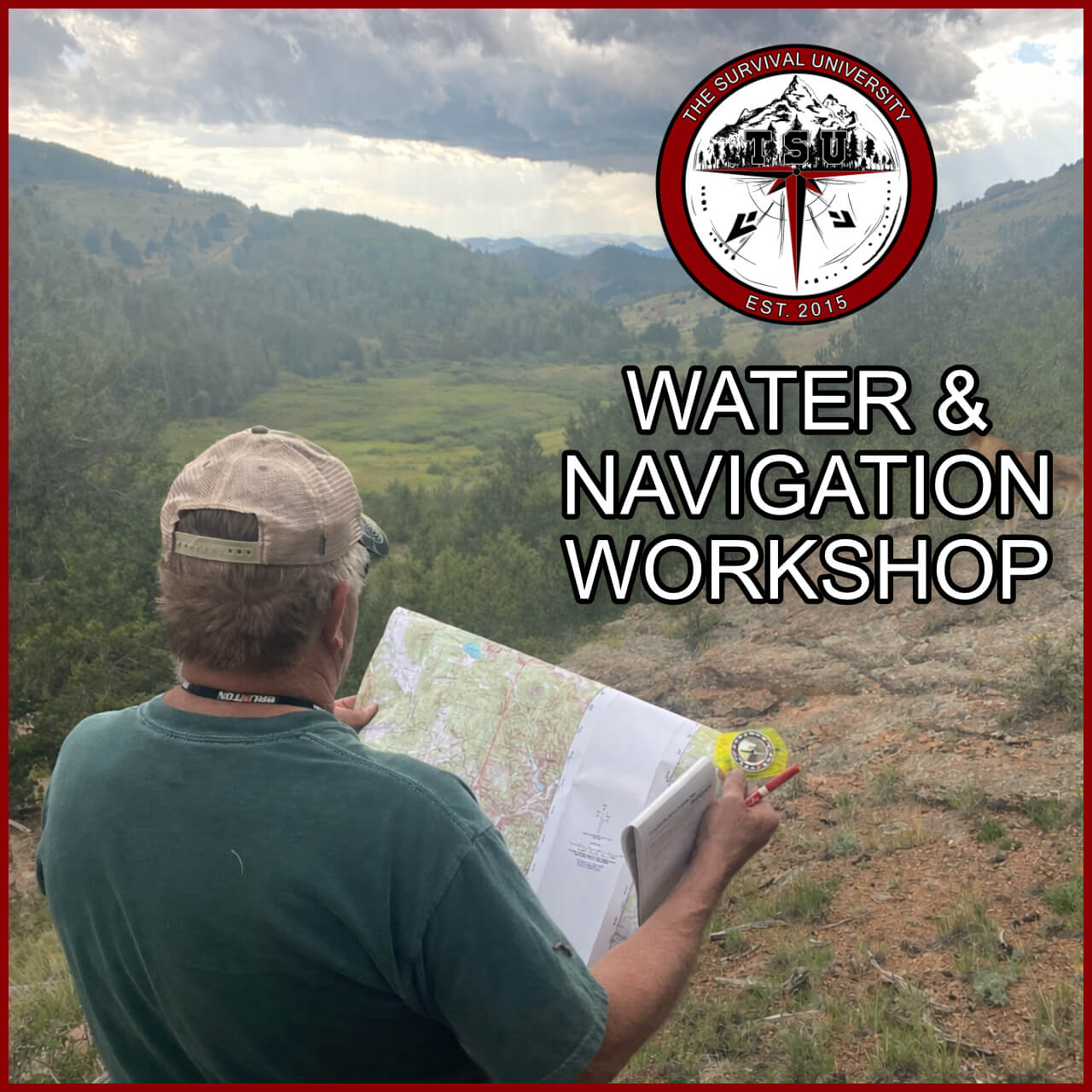
This hands on workshop covers the core skills that keep small problems from becoming overnight emergencies. Students learn how to find and purify water, avoid getting lost, recover when off route, and signal for help if plans change. The navigation portion focuses on simple, practical fundamentals that work for day hikes and short trips, and provides a solid foundation for more advanced navigation training. No prior experience required.
Tap each tab below: Description, Additional Information, and Class Details. You’ll find the course overview, class times, driving directions, what to bring, and overnight arrangements.
Fire and shelter buy you time. Water, signaling, and navigation get you found and get you home.
This one day, hands on workshop focuses on the skills that prevent small problems from turning into long days or overnight emergencies. The emphasis is on practical decision making, simple systems, and methods that work for hikers, campers, hunters, and everyday outdoor travel.
You will spend the day learning how to find water, make it safe, avoid getting lost, recover when you are off route, and signal for help if plans change.
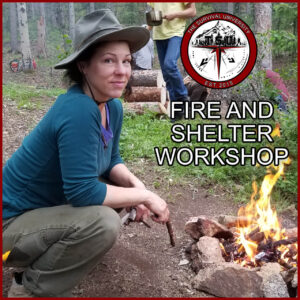
This class pairs naturally with the Fire and Shelter Workshop and can be taken as a standalone day or as part of a 2 day fundamentals weekend.
Water
How to locate water in different terrain and seasons
Modern water purification methods including boiling, filters, and chemical treatment
Water management and rationing for short term situations
Common water mistakes that lead to dehydration or poor decisions
Signaling and Lost Proofing
How to avoid getting lost through planning and awareness
What to do when you realize you are off route
Audible and visual signaling methods using simple tools
When to stay put and when to move
Navigation Fundamentals
How maps actually work and how to read terrain
Basic compass use and simple bearings
Understanding handrails, catch features, and backstops
Practical navigation habits that keep you oriented on day hikes
This navigation portion is intentionally foundational. The goal is not mastery in one day, but understanding the building blocks that make advanced navigation training click later.
This is a full day, field based class with minimal lecture time. You will be outside, moving, observing terrain, and practicing skills in real conditions. The focus is on awareness, repetition, and learning through direct experience.
Bring weather appropriate clothing, food, and water. All instructional tools and materials are provided.
This workshop is well suited for beginners, hikers, campers, hunters, and anyone who wants to feel more confident staying found and making good decisions outdoors. No prior experience is required.
Saturday, 9:00 AM – 5:00 PM
Held near Cripple Creek, Colorado
Arrive by 8:00 AM for check-in. Class begins at 9:00 AM. Plan your drive so you are at the meeting location one hour before instruction begins.
Address: 71 Monarch Dr, Cripple Creek, CO 80813
Driving Directions: [Click here for directions]
(Important: Our camp is remote and GPS is often unreliable. Please read these directions carefully and have them saved or printed before you leave. Cell service is limited once you head into the mountains.)
Students enrolled in this workshop may remain on the training property overnight in connection with the scheduled workshop weekend. Students provide their own tents, tarps, hammocks, or primitive field shelters and personal sleeping equipment. Use of the training property overnight is limited to enrolled students and authorized program participants. Campsites are not independently rented or offered to the general public.
Students who prefer to stay off site can choose from multiple hotels and Airbnb rentals in the surrounding area. Cripple Creek is approximately a 15-minute drive from our location, and Woodland Park is approximately 30 minutes away. Students are responsible for arranging their own lodging and making reservations directly with their chosen provider. Please call or email us before the course if you have questions about overnight arrangements.
Facilities:
Porta potty restroom and potable water provided at camp.
Potable water is available on-site. Students should bring their own food for the duration of the class. Simple, quick meals like freeze-dried pouches or MREs are recommended, but any camp-friendly food or items for cooking over the fire or a small personal stove are fine. Local groceries and restaurants are nearby if needed.
-
Select options This product has multiple variants. The options may be chosen on the product page
-
Select options This product has multiple variants. The options may be chosen on the product page
-
Select options This product has multiple variants. The options may be chosen on the product page
-
Select options This product has multiple variants. The options may be chosen on the product page
-
Select options This product has multiple variants. The options may be chosen on the product page
-
Select options This product has multiple variants. The options may be chosen on the product page
-
Select options This product has multiple variants. The options may be chosen on the product page