Cart
Sub-Total: $0.00
The Survival University offers our community of outdoor adventurers a robust library of training material through our Survival Blog. We believe in passing on our knowledge to empower students with a wealth of information that we find relevant to learning.
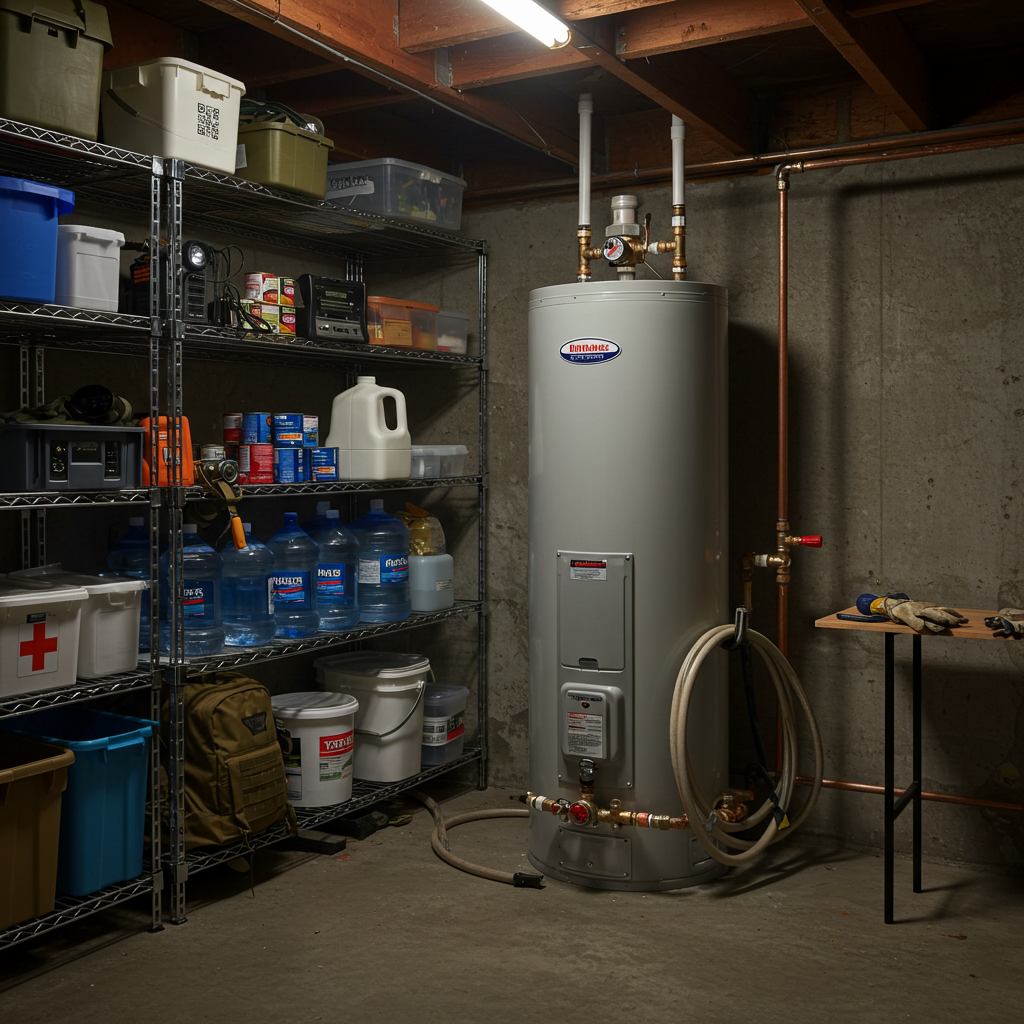
Learn how to access hidden water in your home by safely draining your water heater during emergencies. A must-read for urban survival and bugging in.
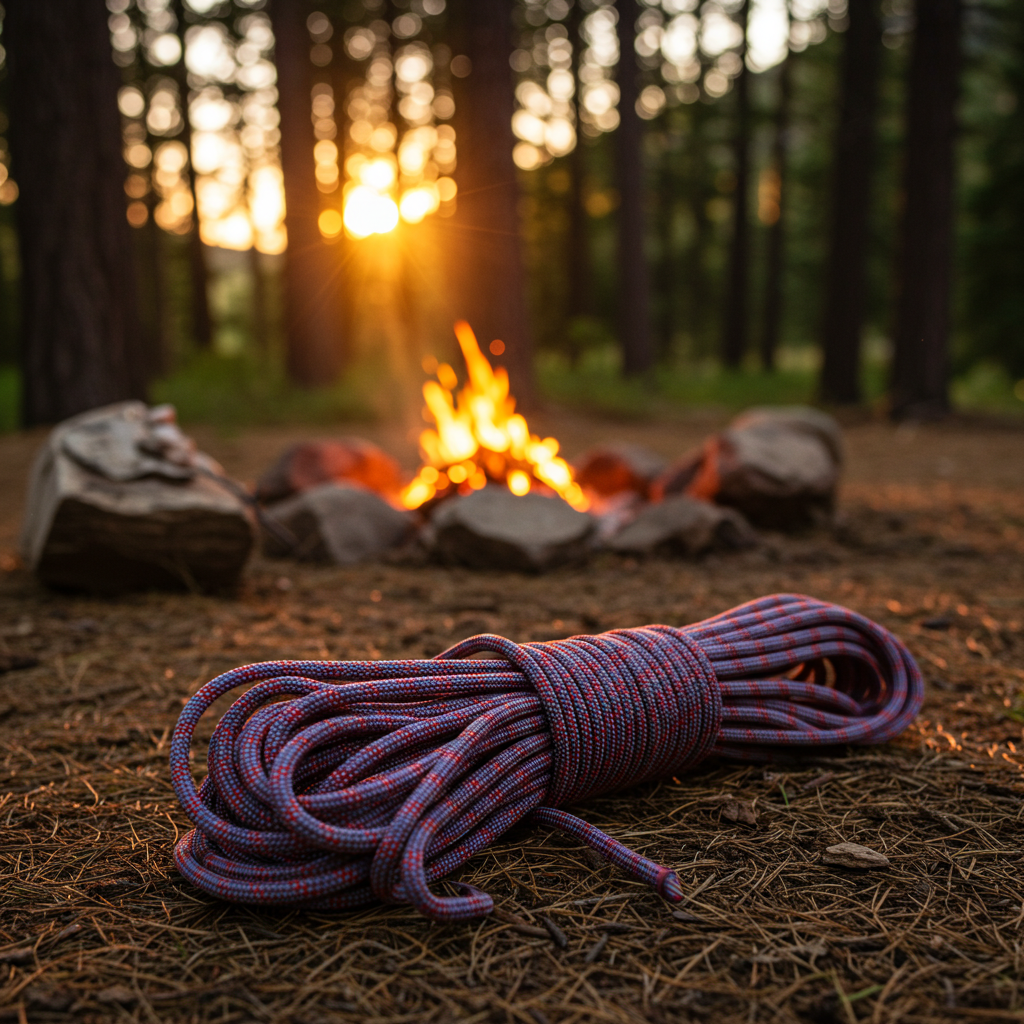
Master the double half-hitch knot with our quick, step-by-step guide and expert tips for secure, efficient knot tying.
Learn how to start a fire with a lighter even if it’s broken, empty, or wet. Master fire-starting techniques and build confidence in real-world survival situations.
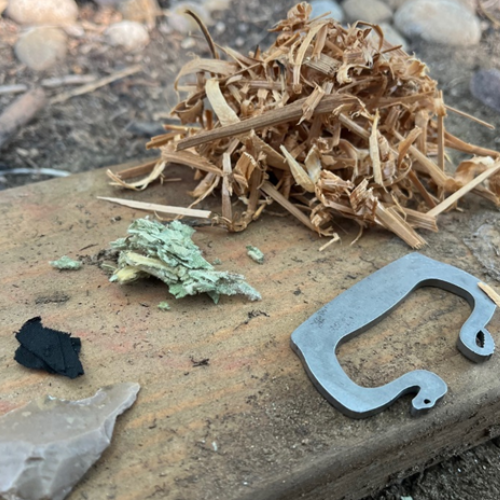
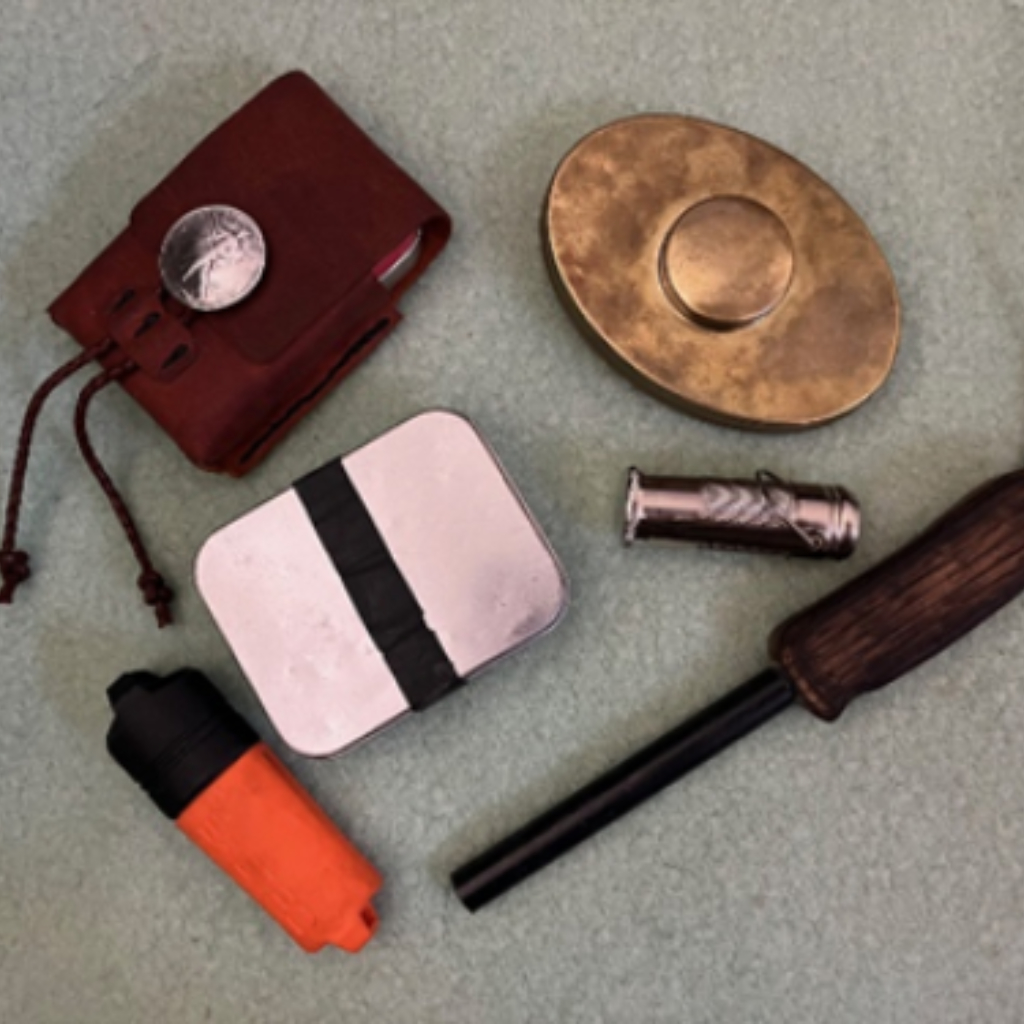
Learn to pack a reliable survival fire kit with the right tools for warmth, cooking, and signaling. Keep it simple, effective, and ready for any emergency.

Learn how to prepare for emergencies with a bug out bag and evacuation plan. Discover key survival tips from the 2025 LA fires to stay safe during disasters.
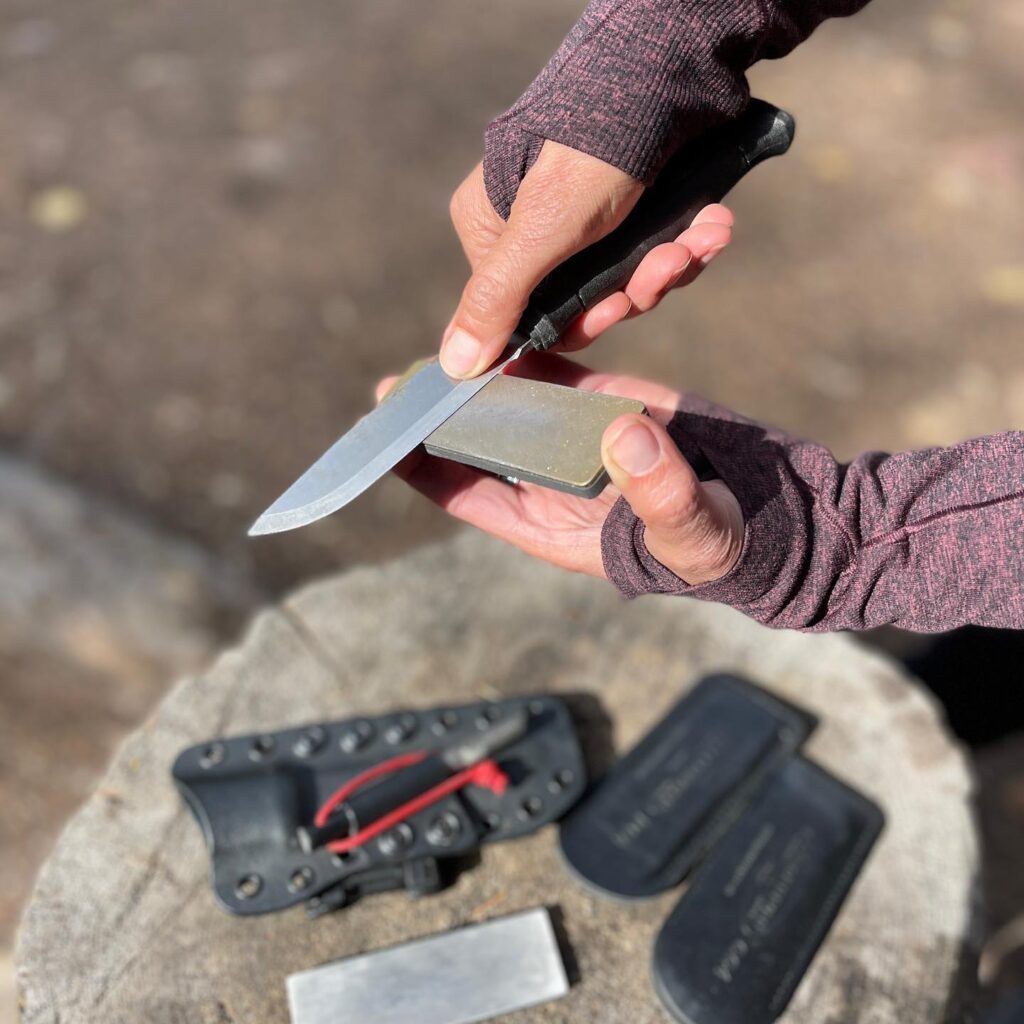
Choosing the Best Survival/Bushcraft Knife: A Comprehensive Guide for Survival University Students
Learn how to make a super quick and highly effective whistle hack that carries over distance. Prioritize your situation and ensure safety when processing found items. Use trash to your advantage and be a modern primitive by making an aluminum can whistle.
Discover why a knife is not your most important survival tool in this eye-opening article. Learn crucial wilderness skills for emergencies.
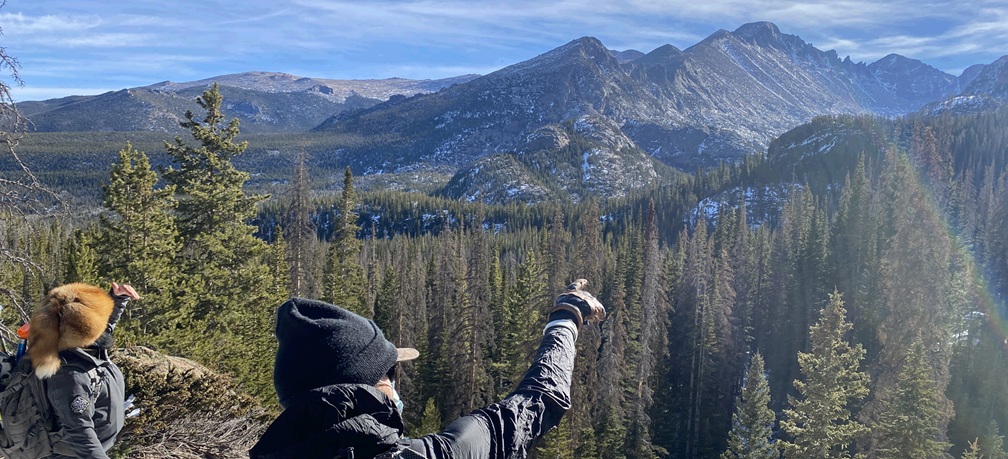
There are a lot of survival myths or myths about lifesaving techniques that are completely false and potentially life threatening. In a state so filled with outdoor adventurers there is likely an interest in survival and outdoor classes like the ones we teach on location at The Survival University but is all the information we pack into the backwoods as helpful as we think?