Cart
Sub-Total: $0.00
Price range: $125.00 through $250.00
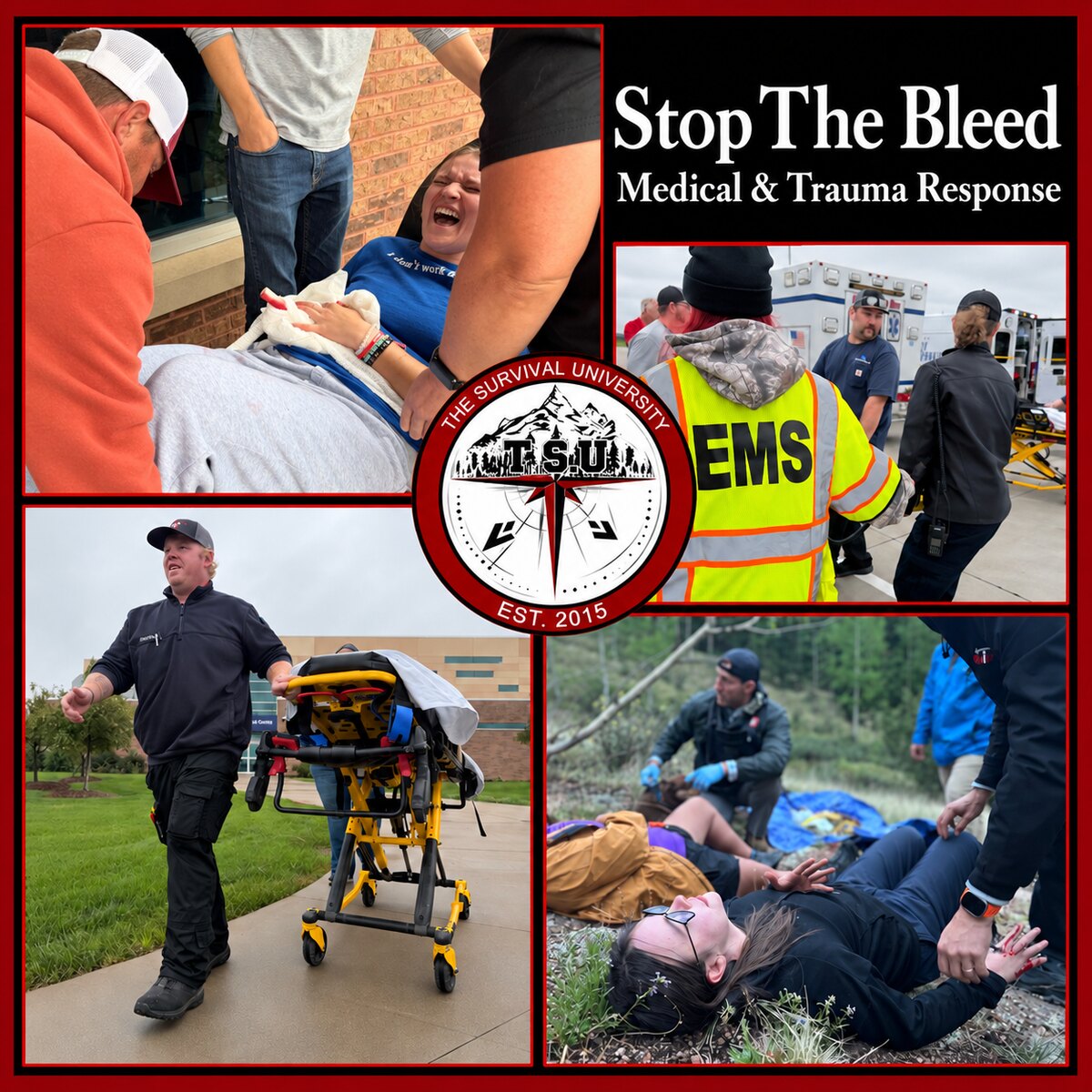
Learn Stop The Bleed and practice responding to medical emergencies with firefighter and paramedic Tyler Bolten. Choose the morning Stop The Bleed class for $125 or the full-day Basic Medical & Trauma Response course for $250, including Stop The Bleed. Both begin at 10 a.m., with hands-on practice paced to the group.
You are driving home when you come across a wreck. A friend gets hurt on a hike. Someone working beside you suffers a serious cut. You have called for help, but you are still the person standing there. What do you do while you wait?
This hands-on medical training course at The Survival University gives you a place to work through that question before it involves someone you care about. Taught by firefighter and paramedic Tyler Bolten, the class combines clear instruction with time to handle equipment, practice skills, and work through realistic situations. You will learn to recognize immediate problems, organize your response, and help an injured person while additional care is on the way.
Choose Stop The Bleed for $125 or the full-day Basic Medical & Trauma Response course for $250. Both options start at 10 a.m. The full day includes Stop The Bleed, followed by broader medical training and practical exercises. You only need to book the option you want.
Choose from February 27, April 3, July 20, and September 3, 2027. Each date offers Stop The Bleed only or the full-day Basic Medical & Trauma Response course.
All classes take place at Mountain Camp, 71 Monarch Drive, Cripple Creek, Colorado. Check-in begins at 9 a.m. Mountain Time, and instruction starts at 10 a.m. Please read our Mountain Camp driving directions before you travel and follow the recommended route to camp.
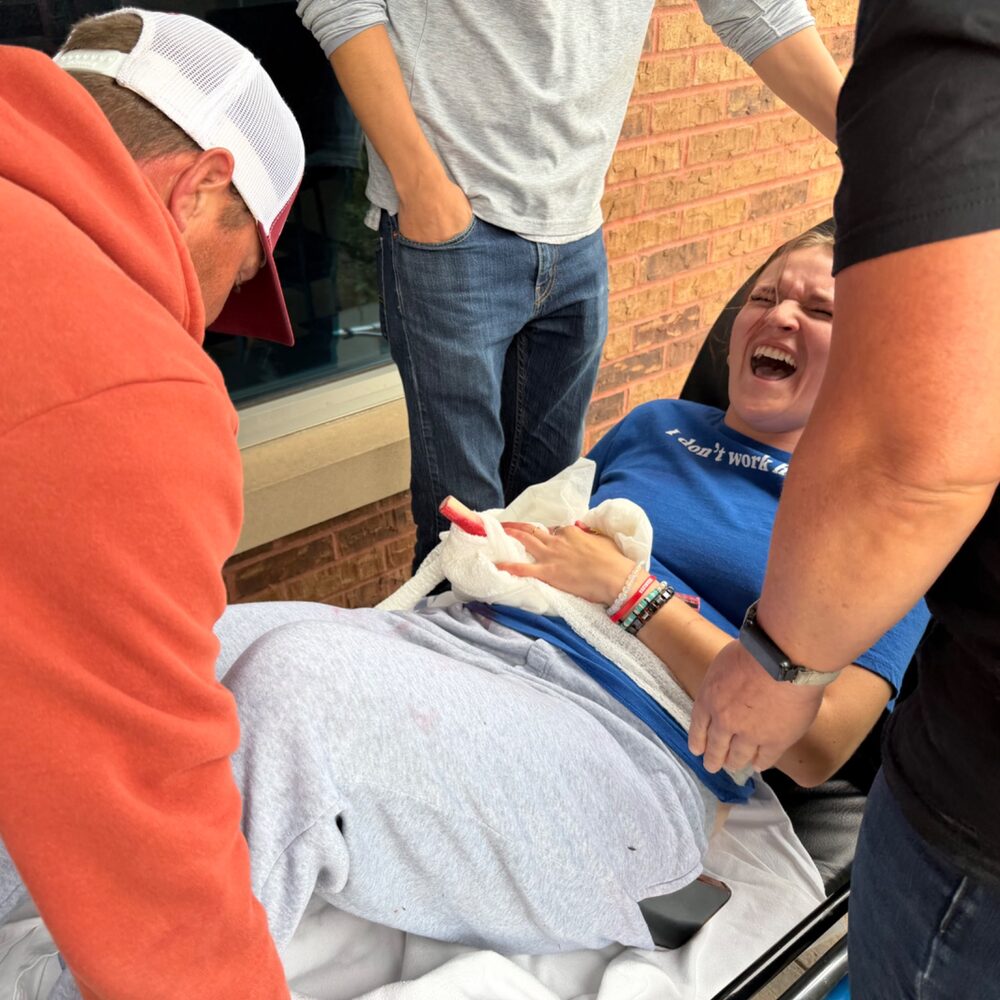
A serious bleeding injury can happen on a trail, at work, around the house, or on the road. Knowing where the first aid kit is helps, but you also need to know what to do with it. Our Stop The Bleed class focuses on recognizing life-threatening bleeding and using direct pressure, wound packing, and tourniquets to help control it.
The morning includes the Stop The Bleed course instruction and hands-on skills, along with additional coached practice and application. You will have opportunities to work with the equipment, ask questions, repeat techniques, and receive feedback from an instructor who uses these skills in emergency response. That extra practice helps turn an explanation you understood into a task you have actually performed.
Stop The Bleed students finish after completing the morning instruction and practice. Students who successfully complete the required course instruction and hands-on skills receive a Stop The Bleed course completion certificate through the instructor. Full-day students continue with the additional medical and trauma response training.
Controlling bleeding is one part of helping an injured person. You may also need to recognize a breathing problem, protect someone from the cold, support an injured limb, or decide whether moving them would help or create another problem. The full-day course brings those decisions together and gives you time to practice responding as part of a group.
This class is designed for people who may find themselves first on scene in everyday life or outdoors. Hikers, parents, hunters, drivers, outdoor workers, and people who simply want to be more prepared can all benefit from practicing these skills. No previous medical training is required. Tyler explains the concepts, demonstrates the techniques, and works with students as they apply what they are learning.
The pace is based on the group’s experience, questions, and progress with the skills. Some techniques take more practice than others, and the instructor can adjust the order and time spent on a subject to support the class. Plan for a full day if you choose the complete course. Breaks, lunch, and the finish time remain flexible.
Before you approach an injured person, you need to understand what is happening around them. Traffic, fire, electricity, unstable ground, and bodily fluids can all affect how you respond. The class covers assessing the scene, requesting help, and communicating useful information so that your efforts support the response already underway.
Tyler introduces MARCH as a framework for organizing trauma priorities. It gives students a way to think through severe bleeding, airway and breathing concerns, circulation, and head injury or temperature-related problems. You will discuss what you are seeing, what needs attention, and how to keep assessing the person as the situation changes.
Once you recognize a problem, the next question is what you can do with the training and supplies available. The full-day class introduces basic airway positioning, CPR concepts, recognition of shock, and care for heat or cold exposure. Head, neck, and spine concerns are discussed alongside the decisions involved in protecting someone and avoiding unnecessary movement.
Wound care and splinting give students additional ways to help while waiting for professional care. Tyler uses the PAWS framework to introduce pain, antibiotics, wound care, and splinting, with practical work focused on comfort, protecting wounds, and supporting injured limbs. Medication discussions provide context for further medical care; this introductory course does not teach students to prescribe or administer antibiotics.
Any demonstration of airway adjuncts or assisted ventilation uses training equipment and introduces the role of those tools. The course provides introductory medical education, rather than a qualification to perform advanced medical procedures.
An injured person may need to be moved away from an immediate hazard, or they may be better served by staying where they are until additional help arrives. Students explore that decision and practice communicating and coordinating a move. The emphasis is on understanding the situation, the patient’s needs, the available help, and the physical demands of the technique.
Tyler introduces selected drags and carries from his outline, along with webbing-assisted movement and improvised carrying systems. Practice is supervised and adapted to participants’ abilities, allowing students to work on technique and teamwork without being expected to lift beyond their capacity.
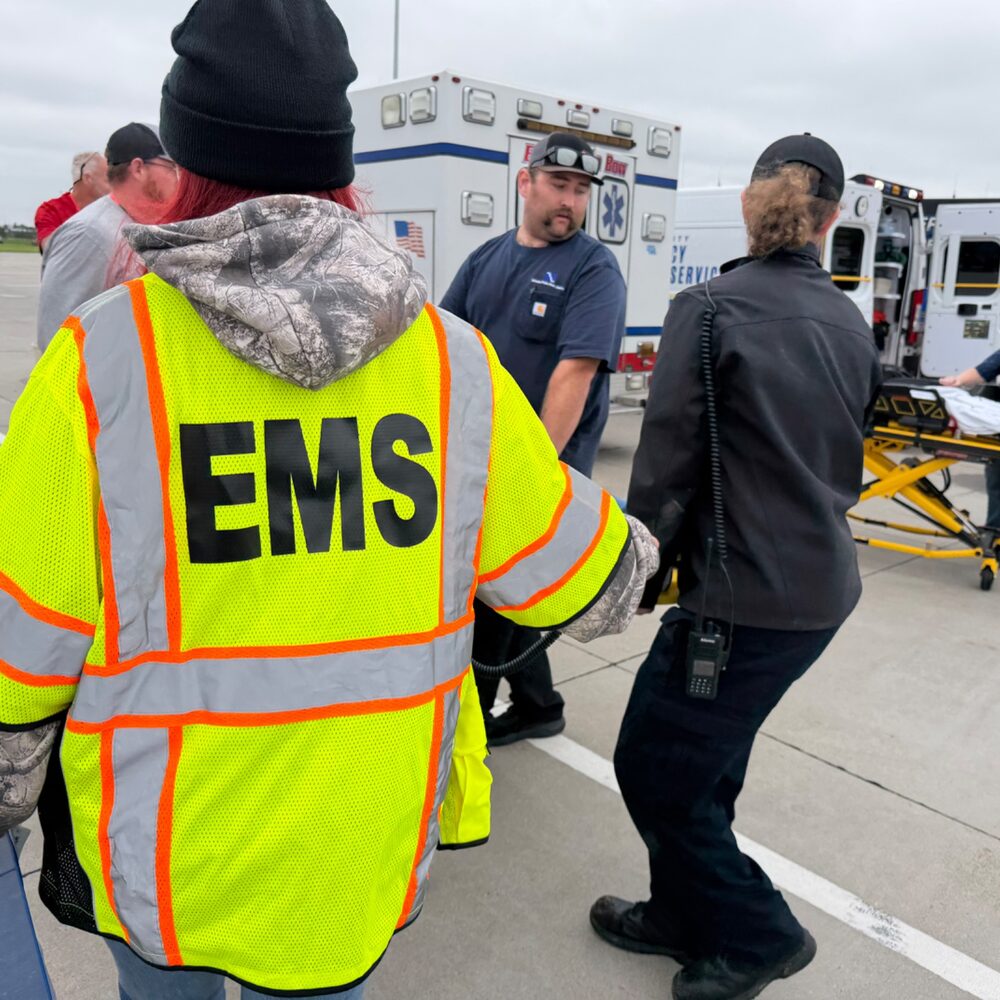
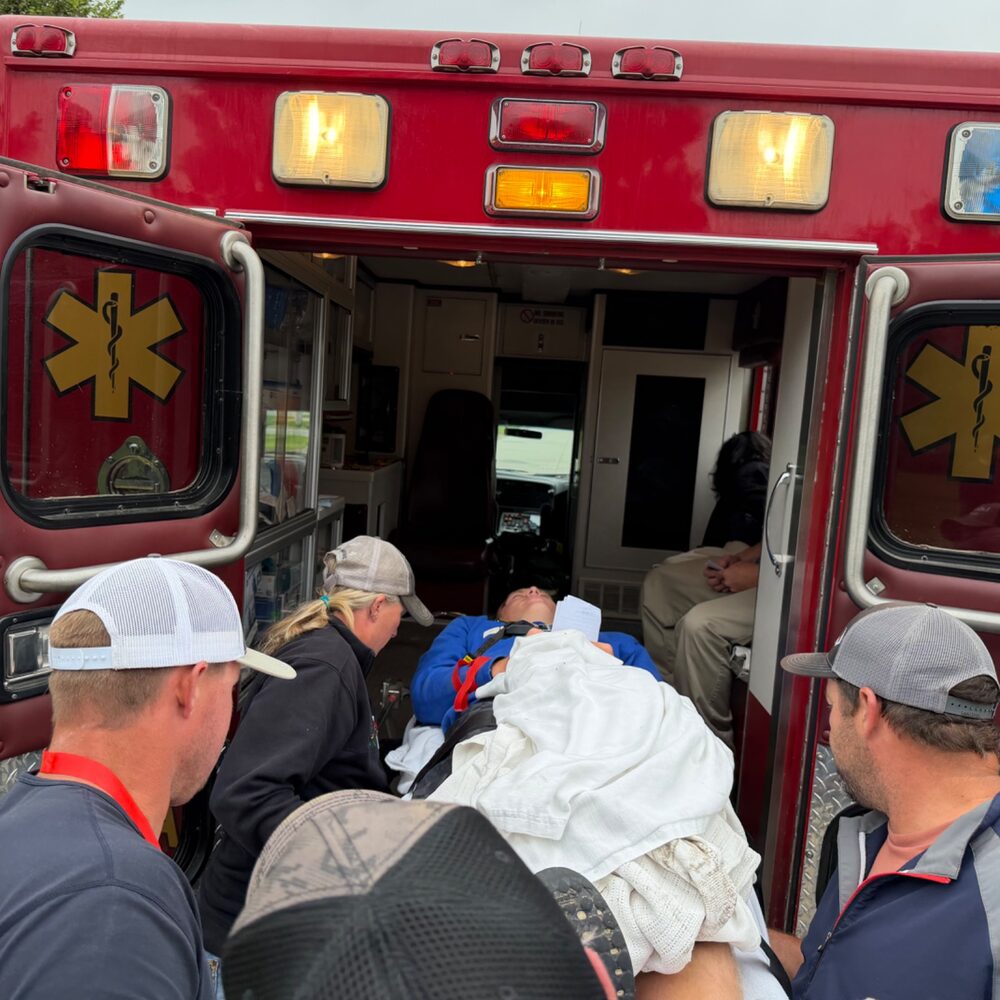
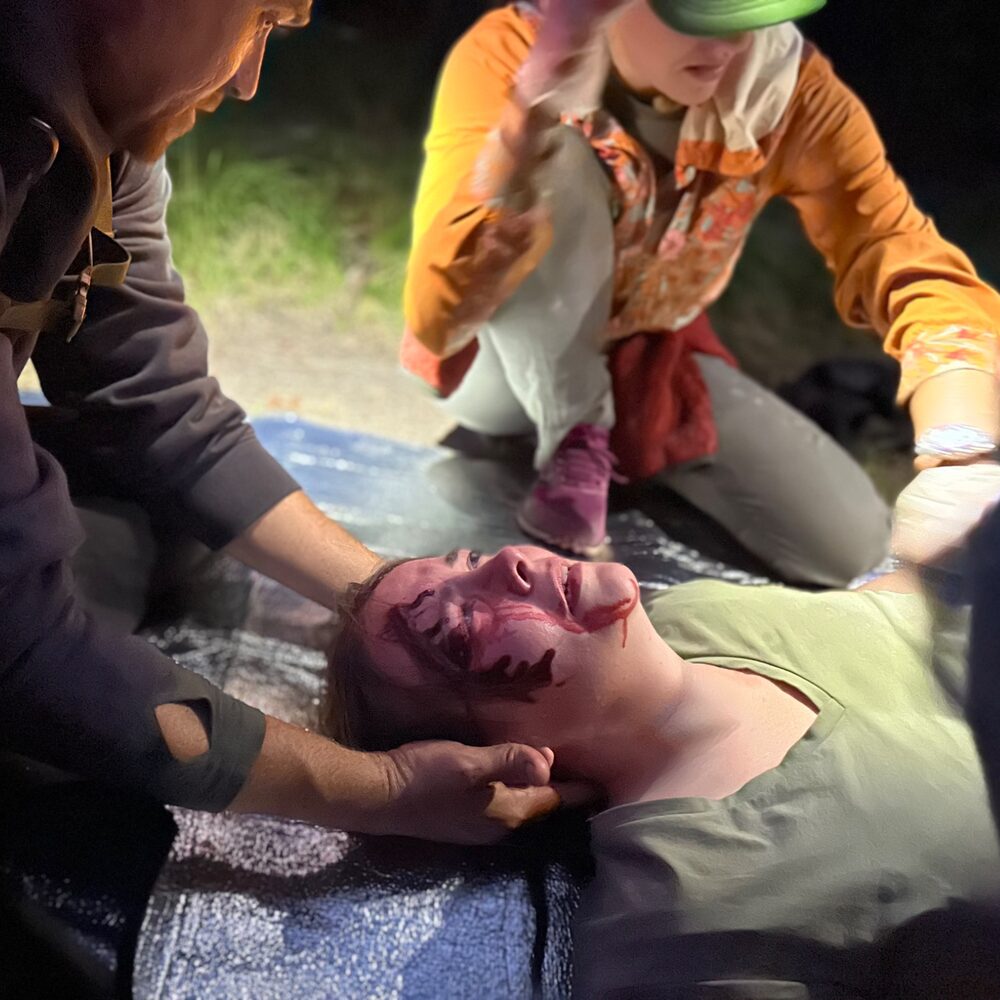
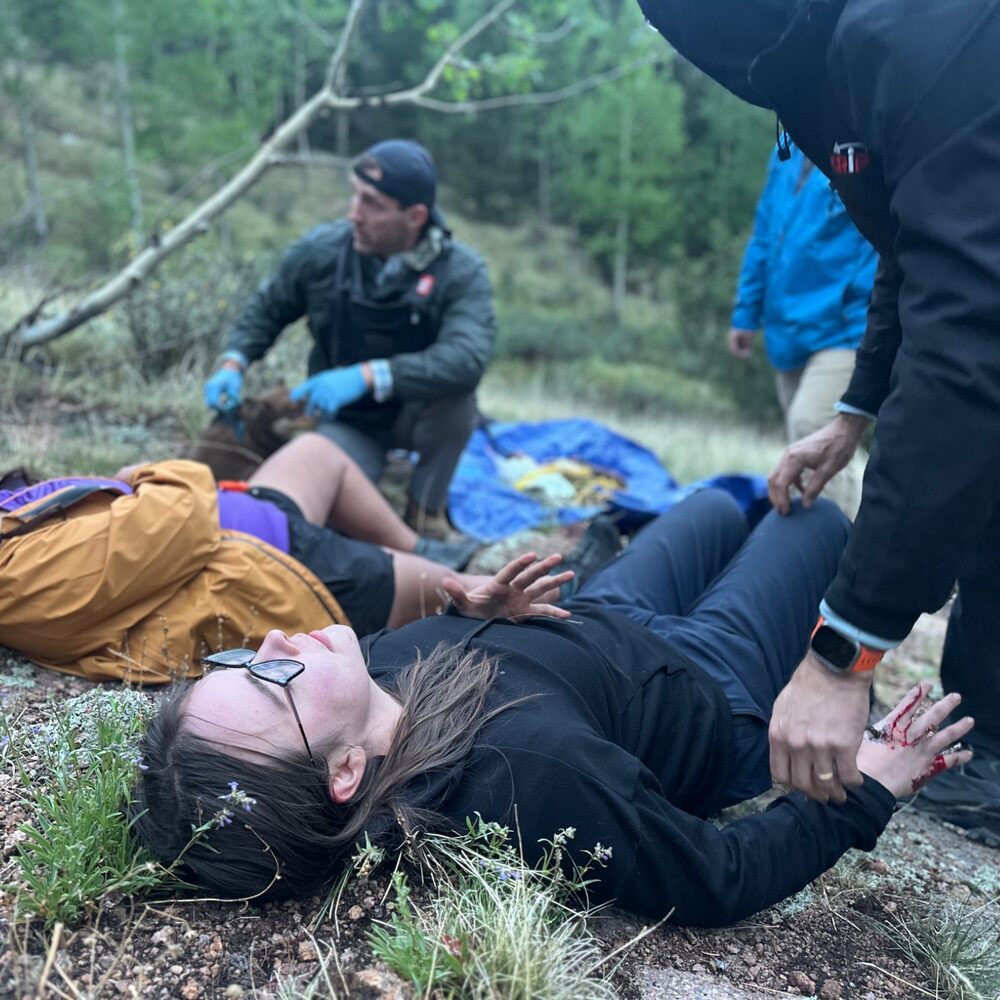
Practical scenarios give students a chance to connect individual skills with the decisions surrounding them. Exercises draw from situations in Tyler’s outline, including hiking accidents, traffic accidents, and simulated gunshot injuries. You will work with other students to recognize hazards, request help, assess the injured person, and respond with the equipment and skills available.
Instructor feedback is part of the exercise. The group discusses what was noticed, what was overlooked, how clearly people communicated, and what could work better on another attempt. Students can ask questions and work through unfamiliar tasks while there is an instructor beside them. These are medical response exercises with simulated injuries and no live-fire component.
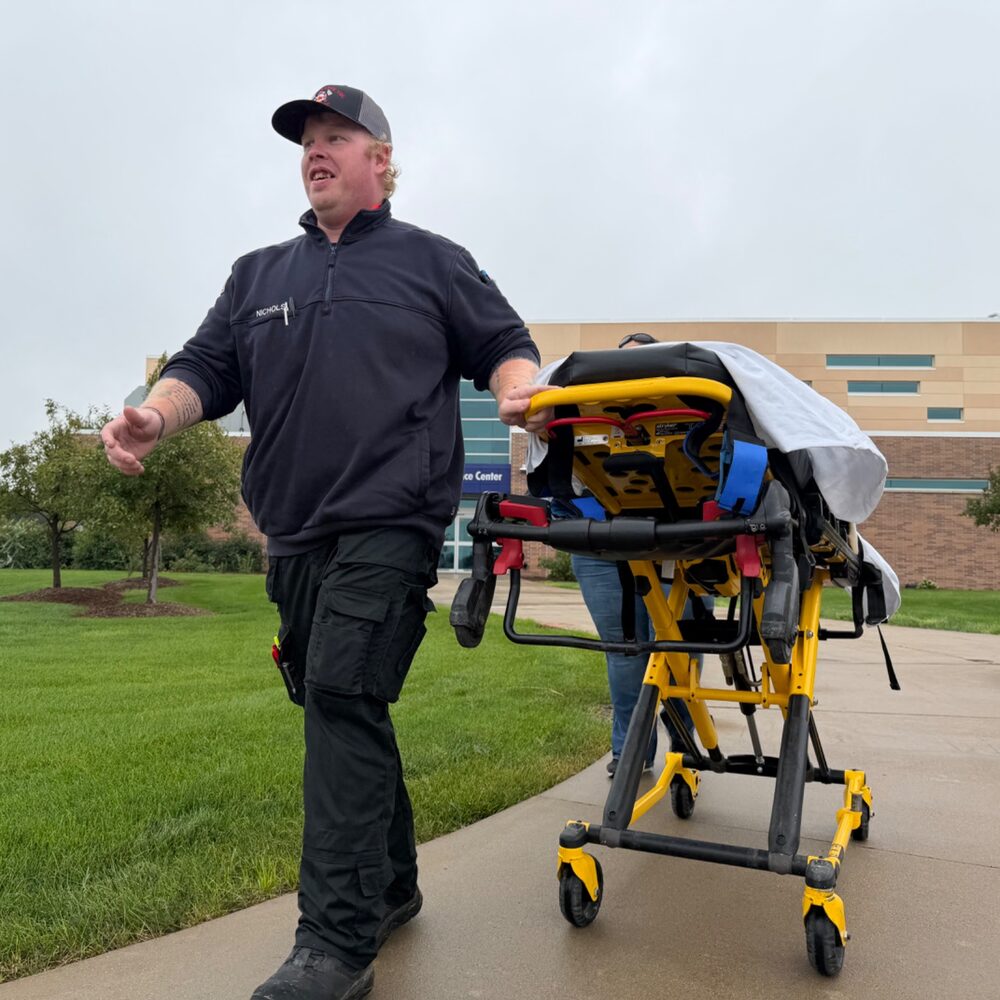
Tyler Bolten is a career firefighter and nationally registered paramedic whose background includes thousands of 911 responses, tactical emergency medicine, hazardous materials response, and technical rescue. He is an instructor in Stop The Bleed, CPR, and Advanced Wilderness Life Support, and served in the U.S. Coast Guard and Army Reserve. His experience helps connect the course material with the situations students could encounter outside the classroom. Read Tyler’s instructor profile.
Stop The Bleed is $125 per person. The full-day Basic Medical & Trauma Response course is $250 per person and includes the entire Stop The Bleed portion. Check-in begins at 9 a.m. Mountain Time, and instruction starts at 10 a.m. Bring a packed lunch if you are staying for the full day.
Both options include a Stop The Bleed course completion certificate when the required instruction and hands-on skills are successfully completed. The full day adds introductory medical and trauma response training. Separate CPR, Wilderness First Aid, Wilderness First Responder, and professional medical certifications are not included.
For a longer course focused on caring for people in remote settings, explore our Wilderness First Aid course. This course focuses on immediate response and practical steps you can take to help an injured person until additional care is available.
| Training option | Stop The Bleed only, Full-Day Medical & Trauma Response |
|---|---|
| Date | February 27, 2027, April 3, 2027, July 20, 2027, September 3, 2027 |
Check-in begins at 9:00 AM. Instruction starts at 10:00 AM for both enrollment options. All times are Mountain Time.
Stop The Bleed students finish after completing the morning instruction and hands-on practice. Full-day students continue with additional medical training, patient movement, and practical scenarios. Plan for a full day if you choose the complete course. The order of activities, breaks, lunch, and finish time remain flexible based on the group’s questions and progress.
Tyler Bolten, TSU Guest Instructor, firefighter, paramedic, and Stop The Bleed instructor. Read Tyler’s instructor profile.
Both enrollment options include a Stop The Bleed course completion certificate when the required instruction and hands-on skills are successfully completed. The full day adds introductory medical and trauma response training. Separate CPR, Wilderness First Aid, Wilderness First Responder, and professional medical certifications are not included.
Address: Mountain Camp, 71 Monarch Drive, Cripple Creek, CO 80813.
Mountain Camp driving directions
Check-in begins at 9:00 AM, and class starts at 10:00 AM Mountain Time. Plan your drive to allow time to check in and get settled before instruction begins.
Our camp is remote, GPS can be unreliable, and cell service is limited in the mountains. Read the driving directions before you leave and save or print a copy. Follow the recommended route via County Road 1 rather than relying on GPS alone.
This is a daytime course. Choose Stop The Bleed only or the full-day Basic Medical & Trauma Response course for your selected date. Meals and overnight accommodation are not included.
If you are traveling from out of town, hotels and vacation rentals are available in the surrounding area. Cripple Creek is approximately a 15-minute drive from camp, and Woodland Park is approximately 30 minutes away. Students arrange their own lodging directly with their chosen provider. Please call or email us before the course if you have questions about arrival or overnight arrangements.
A portable restroom and potable water are available at main camp.
Bring a refillable water bottle and snacks. Potable water is available at camp. Full-day students should bring a packed lunch that is easy to eat during a break. Meals are not provided, and lunch timing will depend on the group’s progress.
Clothing may get dirty during practical exercises. If you already carry a personal medical kit, you may bring it for discussion. Keep personal emergency supplies separate from equipment used during training so they remain ready for an actual emergency. You do not need to purchase a medical kit to understand the course material.
The class includes hands-on work, simulated injuries, and discussion of serious bleeding. Let us know before class if you have mobility limitations or need an accommodation so we can discuss participation in kneeling, lifting, and movement exercises. Practice is adapted to participants’ abilities, and no one should attempt a lift or carry beyond their capacity.
Students arrive with different levels of experience, so the pace and time spent on individual skills can vary. Weather and field conditions may also affect the order or setting of activities. The instructor adjusts practice and scenarios to support the group while keeping the course focused on its learning goals.
The full-day option includes the complete Stop The Bleed portion. CPR concepts may be introduced, but a separate CPR certification is not included. See the Additional Information tab for enrollment options, dates, and course completion details.
-
Select options This product has multiple variants. The options may be chosen on the product page
-
Select options This product has multiple variants. The options may be chosen on the product page
-
Select options This product has multiple variants. The options may be chosen on the product page
-
Select options This product has multiple variants. The options may be chosen on the product page