Cart
Sub-Total: $0.00
$595.00
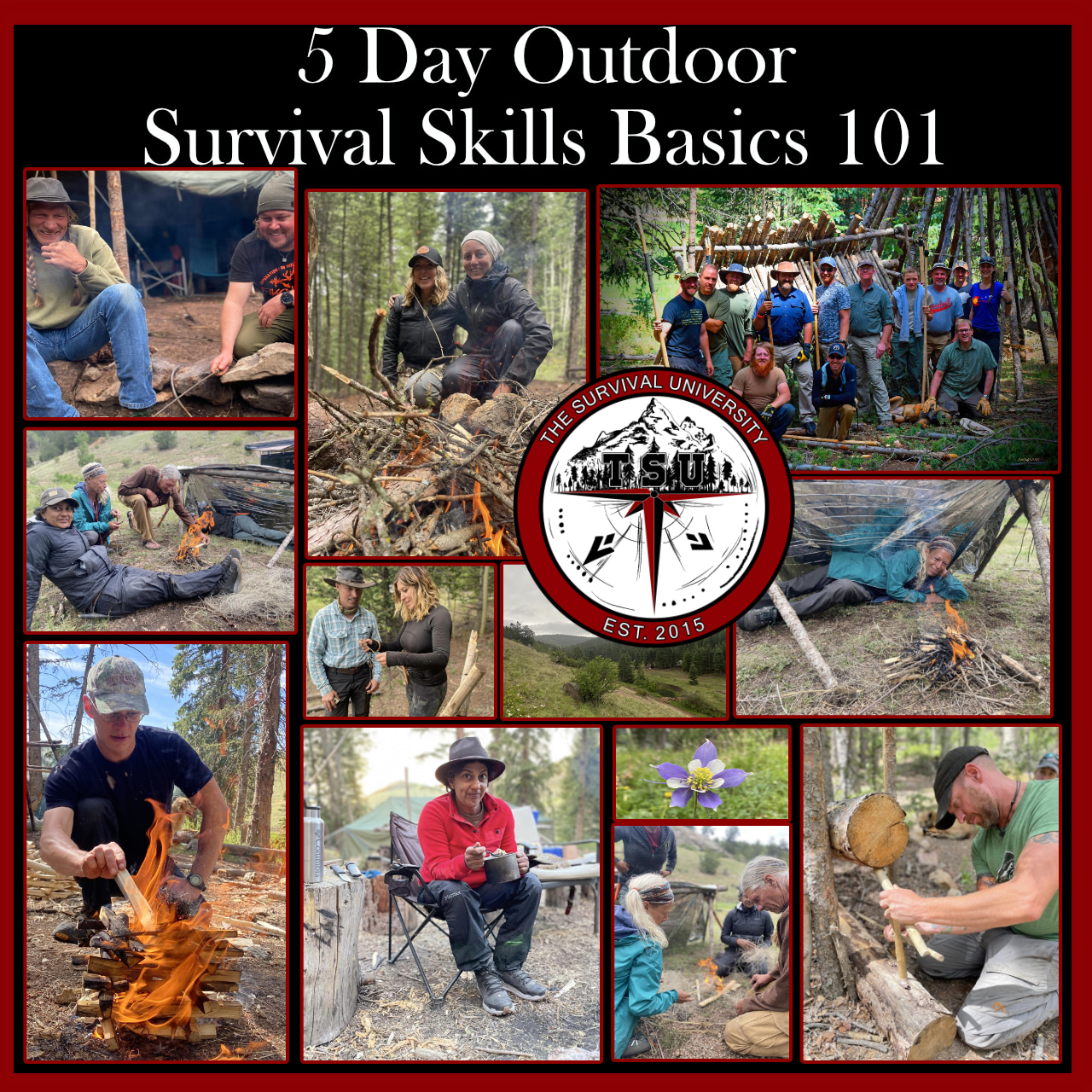
Spend five days building practical wilderness survival skills near Cripple Creek, Colorado. Train in fire, shelter, water, navigation, tools, food procurement, and signaling through demonstrations, guided practice, and field scenarios. No previous survival training is required.
2027 course dates — $595 per person
May 28–June 1, 2027
June 16–20, 2027
August 13–17, 2027
Schedule: Check-in at 9:00 AM on the first day. Class begins at 10:00 AM on day one and 9:00 AM on following days. Training ends at 5:00 PM daily. All times Mountain Time.
Use Book Now for normal registration through WeTravel, or select your date below to finance this class with Affirm.
Tap each tab below: Description, Additional Information, and Class Details cover the course, directions, equipment, and overnight arrangements.
Choose your class date and continue to checkout. Affirm is the only payment option for this class here. For regular payment, use the Book Now button to register through WeTravel.
Financing is subject to eligibility and approval. Affirm shows your terms before you commit.
5 Day Outdoor Survival Basics 101
Location: Mountain Camp, Colorado 9,500 ft elevation, pine and aspen forest, private land
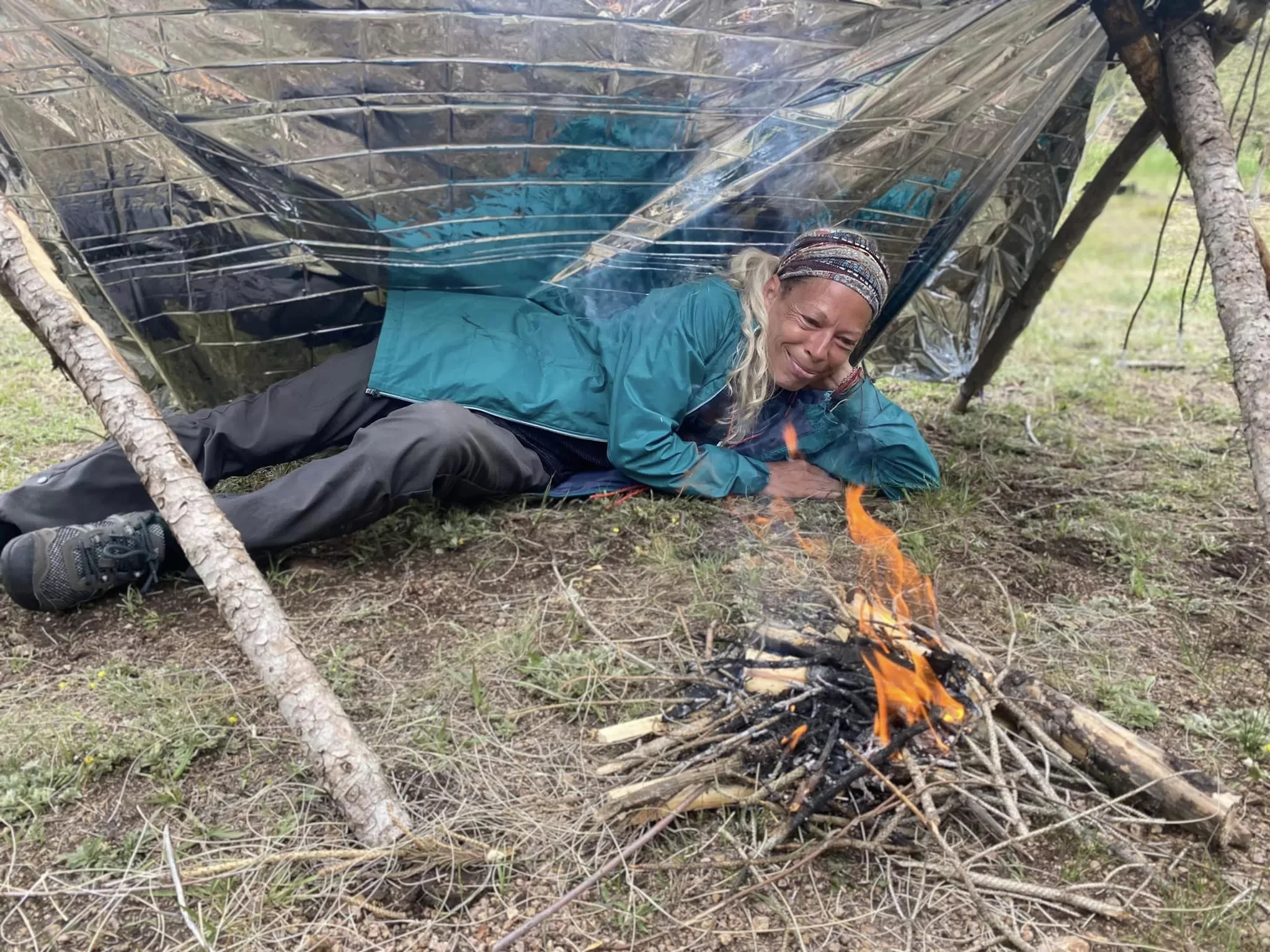
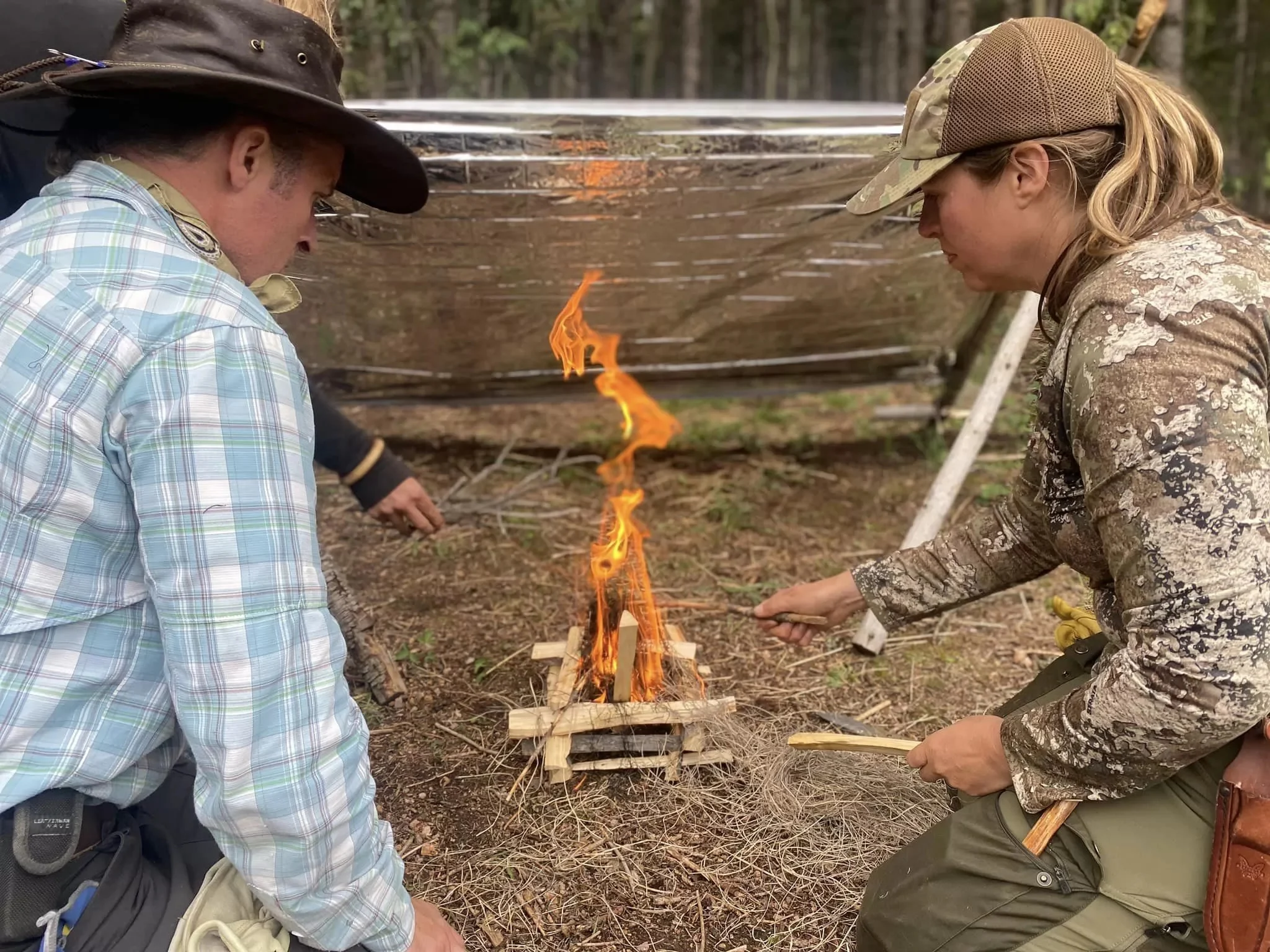
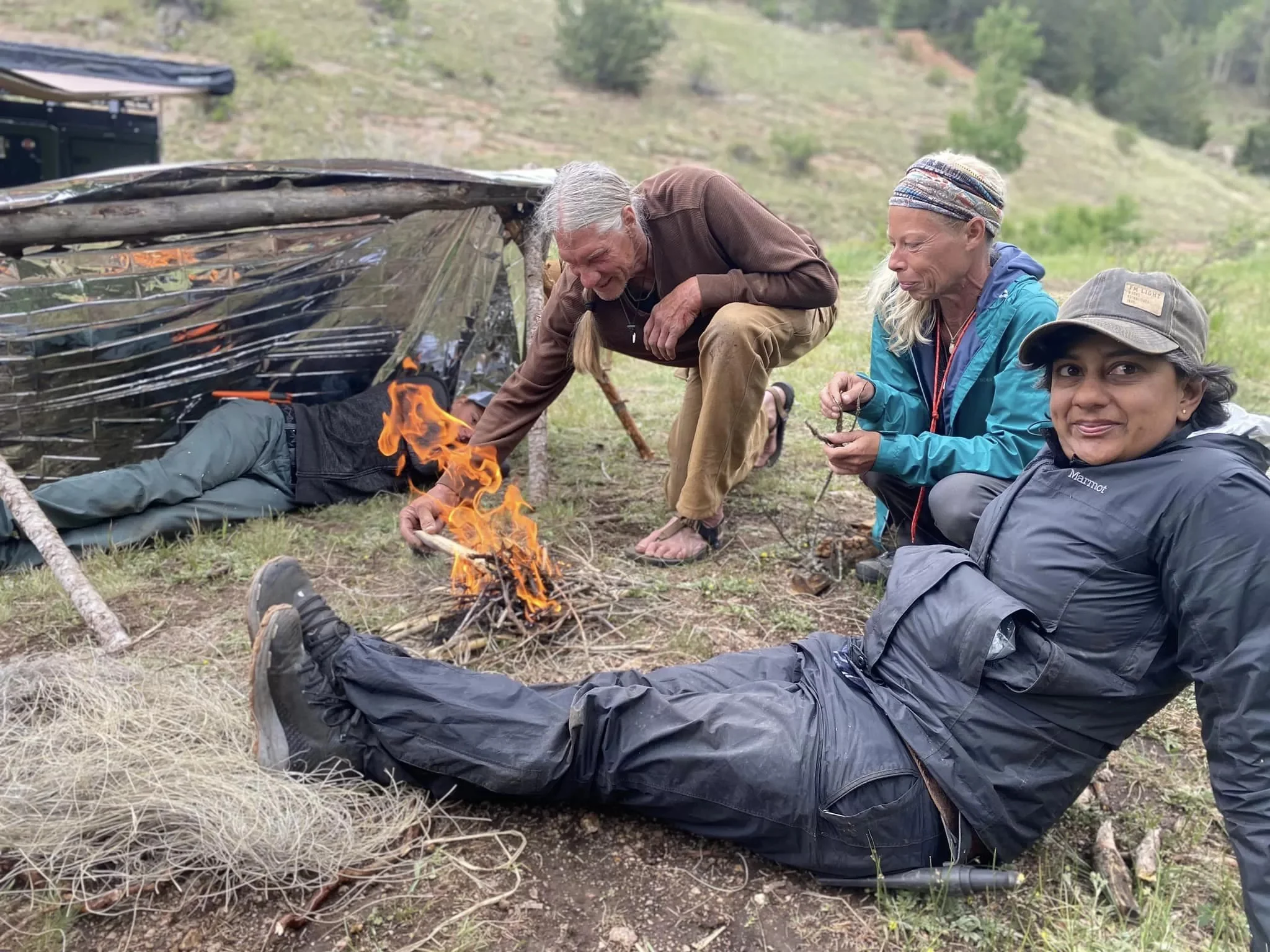
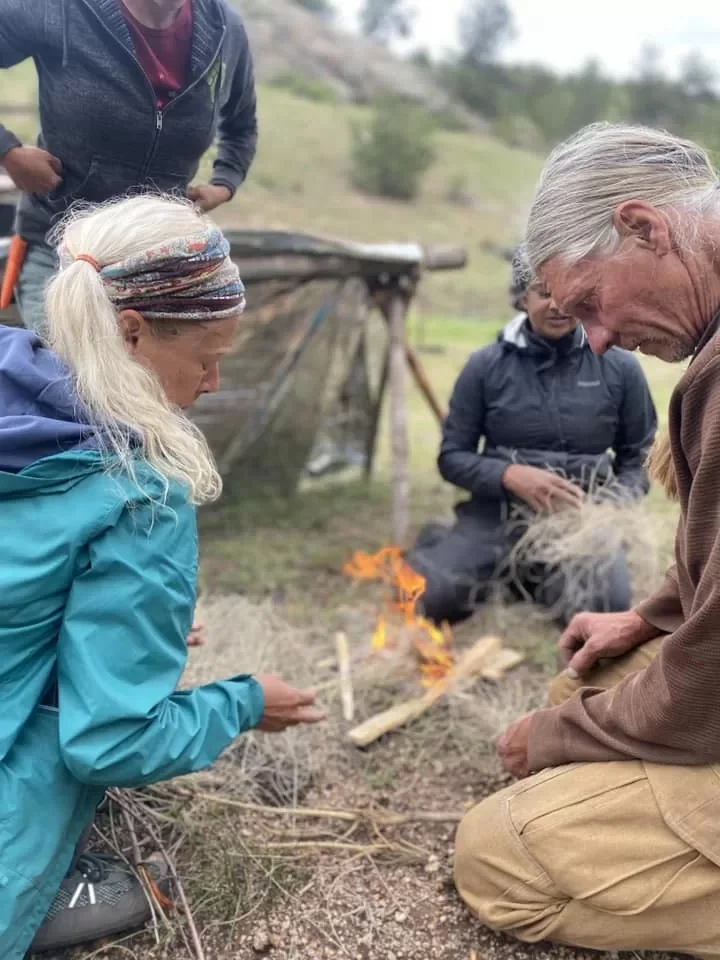
This five day course strips away the fluff and locks in the core survival skills that matter most when things go wrong. You’ll spend your days working with fire, shelter, water, navigation, food procurement, defense, and signaling until the motions become second nature. Expect short demos followed by plenty of hands on drills, real scenarios, and practical challenges that force you to apply what you’ve learned under pressure. By the end of the week, you’ll have the confidence to walk into the backcountry knowing you can keep yourself alive and get yourself home.
What you will learn
• Survival mindset and trip planning that prevents panic and keeps you in control
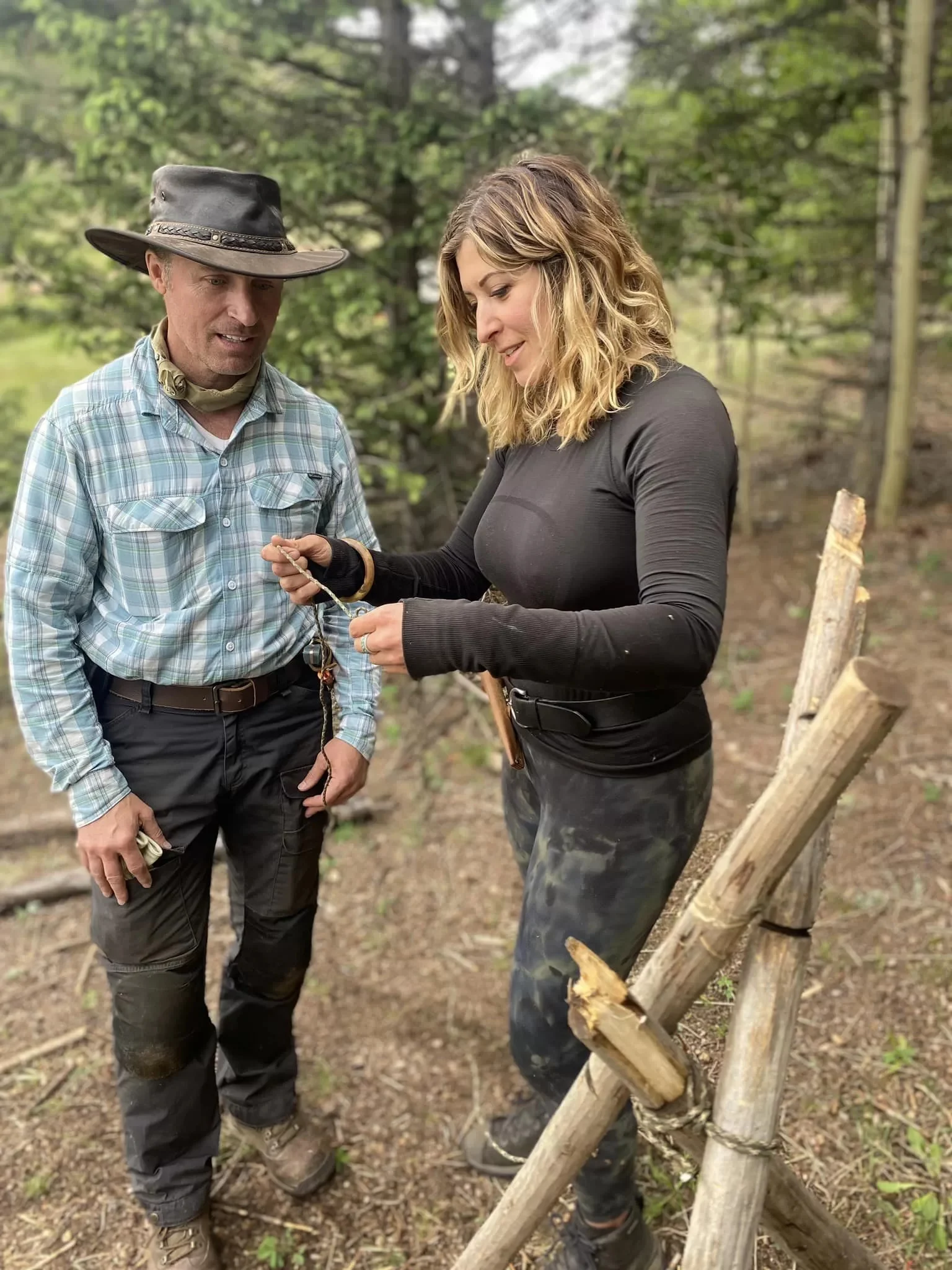
• Knife, axe, and saw work for real tasks with safety built into every drill
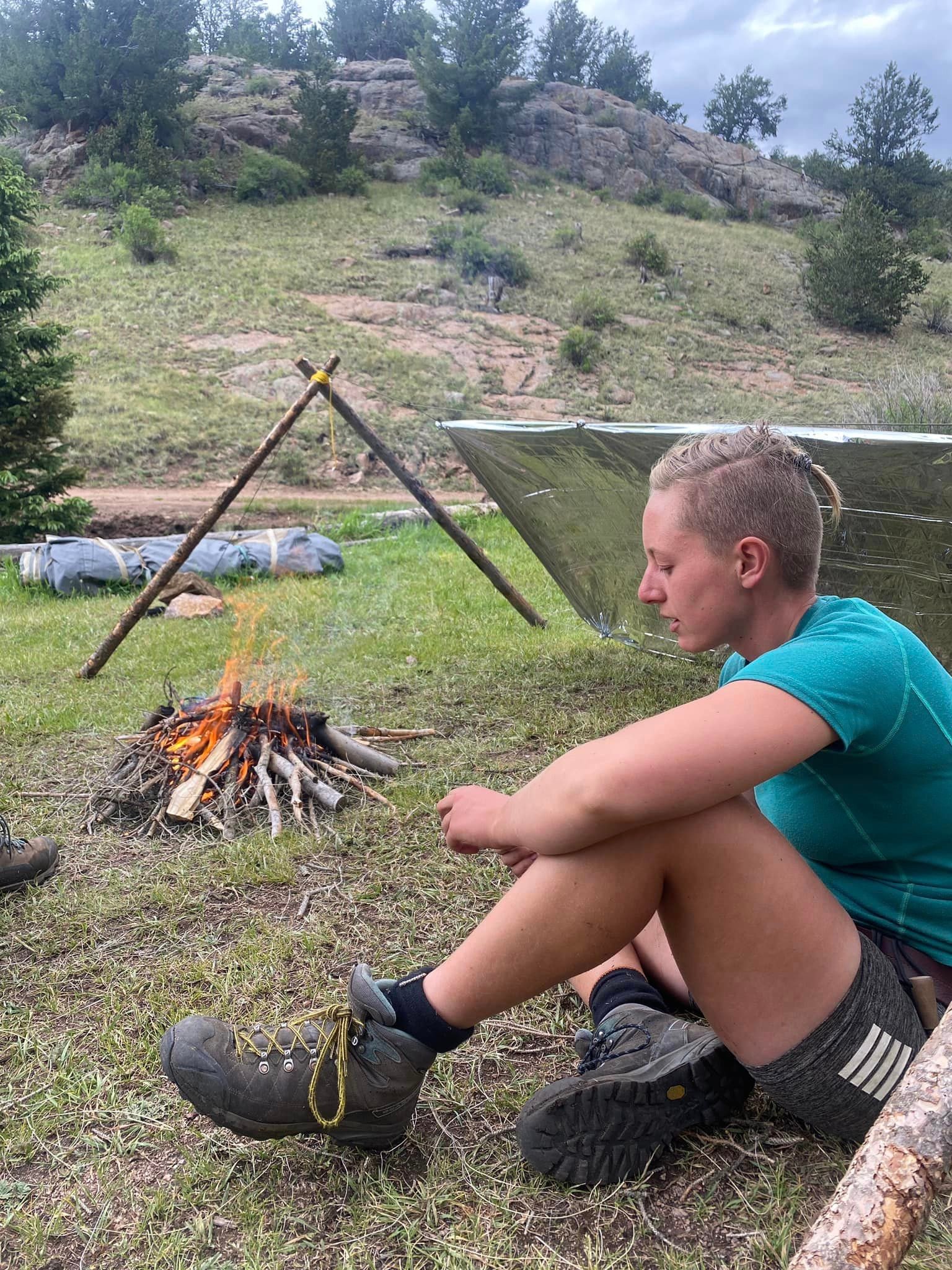
• Modern fire mastery using lighter, matches, and ferro rod until it becomes automatic
• Shelter builds that stand up to weather and multi night use, with fast repairs and insulation methods
• Water location, collection, and modern purification plus improvised field systems you can trust
• Map and compass navigation, pacing, terrain association, and simple move to a road techniques
• Food procurement hands on: snares, simple trapping concepts, spear making, slingshot fishing and hunting basics, handline fishing methods
• Low tech defense and use of improvised tools for protection and deterrence
• Signaling practice with mirrors, whistles, fire and ground to air markers that get noticed
• Short practical medical drills designed to point students toward our Wilderness First Responder course for deeper training
• Multi skill scenario work that forces decisions and teamwork under realistic constraints
Outcomes
By course end students will reliably
• Use knives, axes, and saws for cutting and survival tasks while staying safe
• Start and maintain fire under adverse conditions using modern tools
• Build weather ready shelters and perform fast repairs for multi night stays
• Find, collect, and purify water using modern and improvised methods
• Navigate with map and compass and use natural features to stay or move to safety
• Deploy basic snares and deadfall concepts, construct a spear or hunting stick, and run a handline for fish
• Use a slingshot as a hunting and signaling tool with practiced accuracy and safety drills
• Set up visible and audible signals that increase chance of rescue
• Apply simple wilderness first aid actions and understand when to escalate to WFR care
• Integrate skills during high stress scenarios and make practical choices under pressure
Daily flow with hands on focus
Day 1 Mindset, tools, and water systems
• Short mindset and lost proofing drill to set tone
• Knife, axe, and saw safety and repeated hands on tasks: cutting, batoning, notching, emergency repairs
• Water location exercises, improvised collection systems, filtering and purification stations with hands on practice
• Quick tarp shelter practice to sleep in later if needed
Day 2 Fire and navigation fundamentals
• Repeated ignition drills with lighter, matches, ferro rod until students can perform reliably under time and weather pressure
• Fire lays for heat, cooking, and signaling plus maintenance drills in wet and windy conditions
• Map and compass fundamentals in the field: orienting, aiming off, pacing and terrain association with short timed nav legs
Day 3 Weather ready shelters, camp safety, and energy management
• Build and test multi night tarp and debris shelters with insulation and weather proofing focus
• Camp safety routines for food, hygiene, and animal awareness practiced as checklists and role play
• Energy and movement management at altitude: pacing, calorie planning, emergency rationing drills
• Short plant ID walk focused on high value species only
Day 4 Food procurement, defense, and signaling
• Hands on spear and hunting stick construction and use
• Snare setup and trigger mechanics using mock targets and problem solving stations; legal and ethical brief only when needed
• Slingshot use for hunting
• Low tech defensive drills using walking stick, positioning and movement to reduce threat, and team safety patterns
• Signal station builds and daytime night time signaling drills integrating fire, smoke, mirrors, and ground to air markers
Day 5 Integrated scenario and skills showcase
• Multi stage scenario combining navigation, injury, lost party, fire, shelter, water, food procurement and signaling under time pressure
• Introductory medical drills for bleeding, splinting, and hypothermia care. These give students a baseline and show the value of further Wilderness First Responder medical training.
• Course debrief and honest performance notes
Check-in: 9:00 AM on the first day
Start time: 10:00 AM on the first day, 9:00 AM on all following days
End time: 5:00 PM each day
All times are Mountain Time.
-
Select options This product has multiple variants. The options may be chosen on the product page
-
Select options This product has multiple variants. The options may be chosen on the product page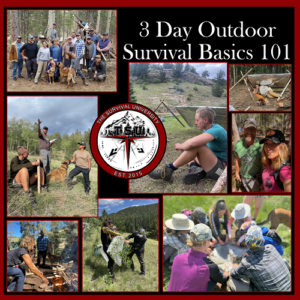
-
Select options This product has multiple variants. The options may be chosen on the product page
-
Select options This product has multiple variants. The options may be chosen on the product page