Cart
Sub-Total: $0.00
Price range: $450.00 through $1,250.00
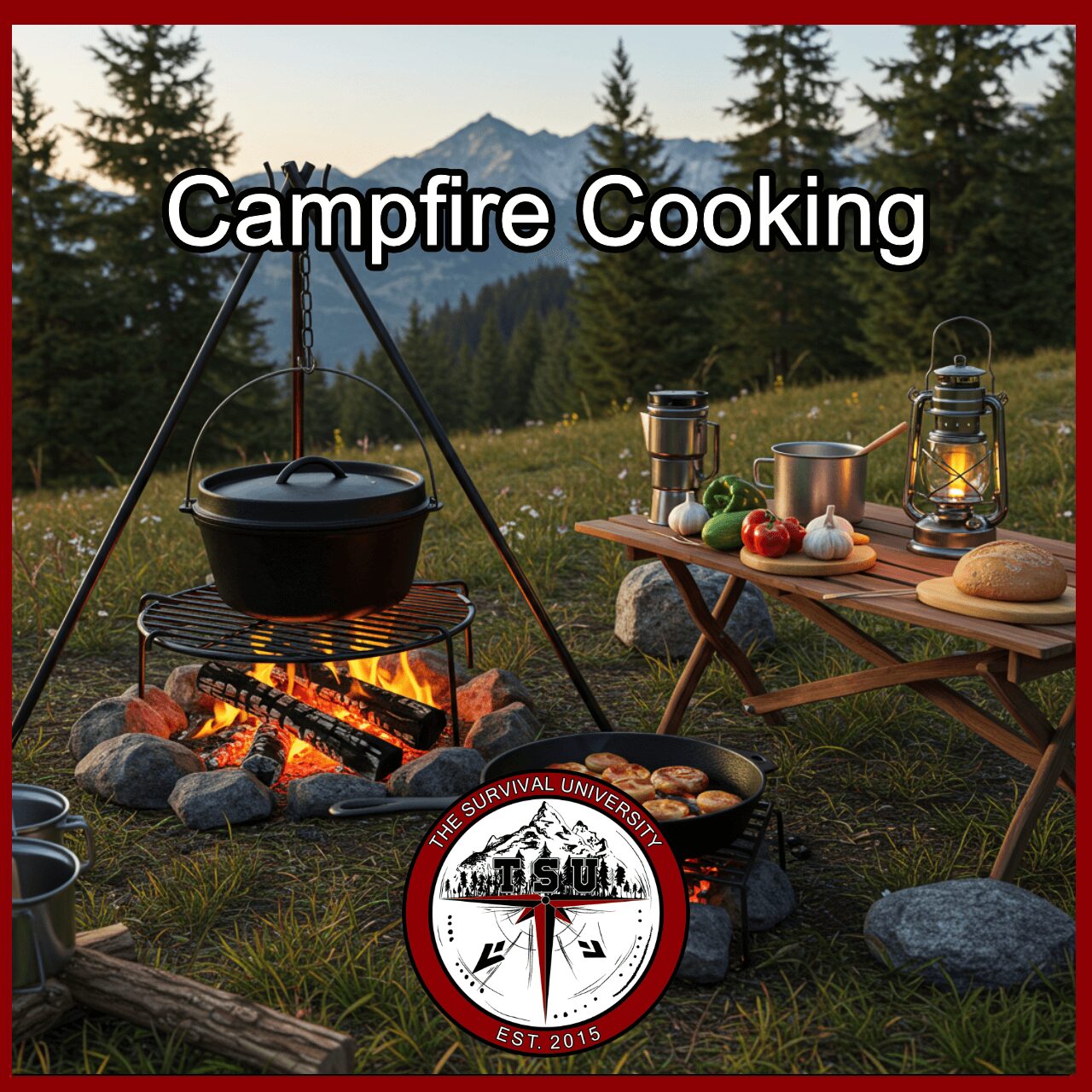
Learn the art of outdoor cooking in this hands-on weekend. From fire building to cast iron care, Dutch oven meals, and camp kitchen setup, you’ll practice skills that make camping more comfortable and delicious. Perfect for beginners, families, and anyone who wants to eat well in the outdoors.
Tap each tab below: Description, Additional Information, and Class Details. You’ll find the course overview, class times, driving directions, what to bring, and overnight arrangements.
Fire, food, and good company — the heart of every great camp. This class is all about learning to cook outdoors with confidence and creativity. Over three days you’ll explore the skills and techniques that make campfire meals simple, satisfying, and fun.
What You’ll Learn:
How to build and manage a fire for cooking
Using cast iron skillets, Dutch ovens, and griddles over flame and coals
Campfire recipes: breakfasts, stews, breads, desserts, and more
Care and maintenance of cast iron cookware
Creating simple camp kitchens: fire layouts, cooking stations, and tool storage
Safe food handling and camp hygiene
Preparing meals with both fresh and shelf-stable ingredients
Tips for making cooking fun and stress-free on camping trips
What Makes This Class Different:
No long hikes or extreme conditions — this course is about comfort, learning, and eating well outdoors.
All instruction is hands-on. You’ll prepare and share meals in camp with your fellow students.
You’ll leave with the confidence to cook great food on your next camping trip, whether you’re car camping with family or setting up a weekend base camp.
Colorado campus driving directions
Arrive one hour before the class start time for check-in. Check the schedule for your selected course date. Contact TSU before traveling if the start time or meeting location is unclear.
Students enrolled in this course may remain on the training property overnight during the scheduled program. Students staying on the property provide their own shelter and sleeping equipment, using tents, tarps, hammocks, or primitive field shelters. Use of the training property overnight is limited to enrolled students and authorized program participants. Campsites are not independently rented or offered to the general public.
Students who prefer to stay off site can choose from multiple hotels and Airbnb rentals in the surrounding area. Cripple Creek is approximately a 15-minute drive from our location, and Woodland Park is approximately 30 minutes away. Students are responsible for arranging their own lodging and making reservations directly with their chosen provider. Please call or email us before the course if you have questions about overnight arrangements.
Potable water and ingredients for the scheduled group cooking activities are provided. Bring personal snacks, drinks, and any additional food you want or need during the course. Local groceries and restaurants are available if you need additional supplies.
Bring the personal equipment listed below. TSU supplies the group cooking equipment and meal ingredients listed under Course Requirements and Inclusions.
Personal eating kit:
Mug or cup (metal, enamel, or sturdy travel mug)
Plate or bowl
Fork, spoon, and knife (or spork)
Warm outdoor clothing, warm gloves and hat, outdoor boots and wool socks. Cotton clothing is highly discouraged in the mountains! Wool will keep you warm even when wet and synthetics will dry faster. Layers are important in Colorado. You will want a water wicking base layer, an insulating mid layer, and a waterproof breathable outer shell. Check out our Clothes Layering Basics if you are unsure of what to wear.
Due to the different levels of prior experience and knowledge among students in each class, individual outcomes may vary. Weather conditions can also be a factor in changing class content slightly. Nonetheless, our instructors will always endeavor to be as accommodating and consistent as circumstances will allow to ensure students get the best training experience and value for money.
-
Select options This product has multiple variants. The options may be chosen on the product page
-
Select options This product has multiple variants. The options may be chosen on the product page
-
Select options This product has multiple variants. The options may be chosen on the product page