Cart
Sub-Total: $0.00
12 min read

Published November 8, 2026
Golden banner looks like something you ought to be able to eat. Bright yellow flowers, tidy little leaflets, and pods that look familiar enough to belong in a vegetable garden. Then somebody says, “Oh, those are wild sweet peas,” and suddenly you’re looking at a trail snack. Except you aren’t. You’re looking at a poisonous plant with some very convincing packaging.
I’ve tasted golden banner, and it tastes good. That’s part of what makes it such a useful plant to talk about on a plant walk. People often assume something poisonous will taste terrible, as though your mouth comes with a built-in warning system. It doesn’t. If your entire wilderness food strategy depends on poison tasting awful, golden banner is a good plant to meet while you still have a sandwich in your pack.
Golden banner belongs to the genus Thermopsis, in the pea family. Around Colorado, you’ll hear mountain goldenbanner, golden pea, and false lupine. Open a few field guides and you may run into Thermopsis montana, Thermopsis divaricarpa, or Thermopsis rhombifolia, with related forms sometimes listed as varieties or subspecies. The names can get messy. For this article, we’re talking about those Colorado Thermopsis plants.
“Sweet pea” is where a casual nickname can get people into trouble. In a 1988 report of 5 Thermopsis poisonings, researchers at the Rocky Mountain Poison and Drug Center described plants that callers had identified as sweet peas, mountain peas, and even buttercups. They had to sort out what people had actually eaten before they could make sense of the exposure.
The ornamental sweet pea, Lathyrus odoratus, is a different plant and isn’t food either. North Carolina State Extension’s sweet pea description shows its paired leaflets, climbing tendrils, and poisonous characteristics. A plant doesn’t become a garden vegetable just because somebody puts “pea” in its name.
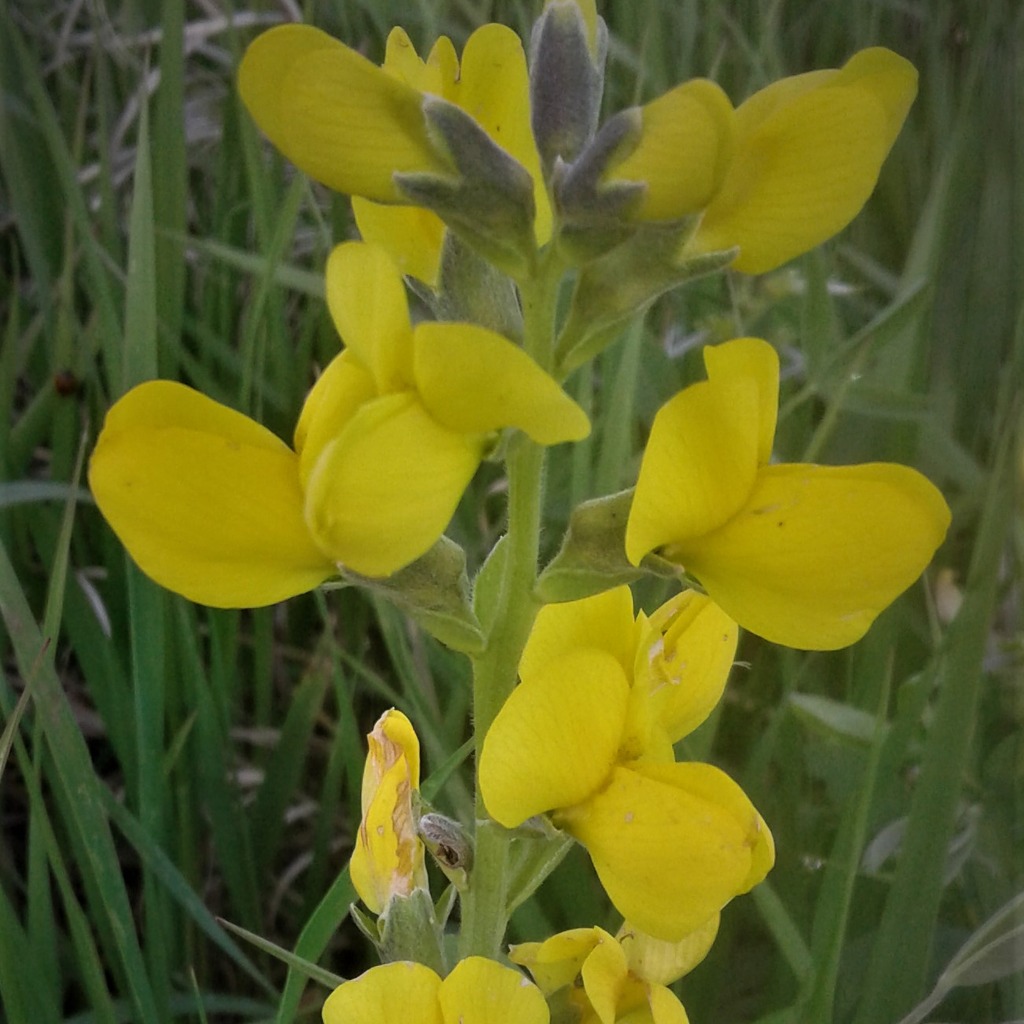
Start with the whole plant. Golden banner is an upright perennial with bright yellow flowers along the upper part of a leafy stem. Get close and you’ll see the familiar pea blossom shape. There’s a broad upper petal called the banner, 2 side petals called wings, and lower petals forming a keel. That big upper petal helps the name stick. It’s also a much better clue than “yellow flower,” which describes an awful lot of things growing beside a Colorado trail.
Next, look at the leaves. Each compound leaf has 3 leaflets, plus a pair of leaflike structures called stipules at the base of the leaf stalk. Trace a leaf back to the stem so you know which pieces you’re counting. The USDA mountain goldenbanner guide describes this arrangement, its upright stems, and the pods that darken as they dry. Golden banner stands on its own. It doesn’t climb by grabbing nearby plants with curling tendrils.
Once the flowers give way to pods, the resemblance to something from the produce aisle gets even stronger. Watch the same patch through the season and you can see that change happen. Pod shape and angle can help distinguish different golden banner forms, but a pod by itself leaves out most of the useful evidence. Photograph the whole plant, a complete leaf, and the flowers or pods still attached. Give your future self more to work with than one blurry picture and the note “possibly peas.”
You’ll find golden banner in meadows, forest openings, and along roadsides. Mountain forms often grow in moist places near streams or seeps. Boulder’s Open Space and Mountain Parks wildflower guide lists meadows, roadsides, and damp forests among its habitats. Lower elevation plants may already be flowering while a colder mountain site is still waking up. Colorado has never been especially interested in keeping every hillside on the same schedule.
Yellow toadflax is worth comparing. From across a trail, both can look like a patch of yellow flowers. Up close, toadflax has narrow, simple leaves and flowers shaped more like snapdragons, with a long spur. Golden banner has its 3 leaflets and pea flowers. The Colorado State University Extension comparison walks through those differences. Look below the blossoms before deciding what you’ve found, especially before pulling a native plant because you think it’s a weed.
The nickname “false lupine” gives you another comparison. Familiar Colorado lupines often have several narrow leaflets spreading from one point like fingers around a palm. Golden banner usually has 3. Put those leaf arrangements side by side in your field notes and the difference becomes easier to remember. Finding a different plant doesn’t automatically mean you’ve found an edible one, though. That includes a climbing Lathyrus with tendrils. You still need to know exactly what it is and whether it belongs on a plate.
This is the part I want people to remember. I’ve tasted both the leaves and the beans, and the flavor is pleasant. There’s no dramatic moment where your taste buds announce that you’ve made a mistake. You could easily like the flavor and assume that means you’ve found something edible. That assumption is the problem.
Think about how quickly we put those clues together. It looks like a pea, somebody calls it a sweet pea, and it tastes good. Your brain has practically started planning dinner. But none of those things tells you what’s in the plant or what eating it will do to you. My experience tasting it illustrates that gap. It isn’t a way to establish a safe serving size.
With wild foods, identification comes first. Then you learn which parts of that particular species are edible and whether they need preparation. Flavor comes after those questions are answered. When someone says a plant “tastes just like peas,” the next question should be what plant it is, not whether it needs salt. You can enjoy learning wild foods without turning your digestive system into the research department.
Golden banner contains toxic alkaloids, and the USDA identifies all parts of the plant as toxic. The seeds and flowers have caused illness in children, and the leaves and stems aren’t edible alternatives. Young and tender doesn’t mean safe, either. There’s no established kitchen method that makes this a food plant, so boiling it, brewing it into tea, or finding an old medicinal reference doesn’t settle that question.
If you eat enough golden banner to make yourself sick, you’re most likely looking at nausea, stomach cramps, and vomiting. You may also get a headache, feel dizzy or weak, or become unusually sleepy. Symptoms can take several hours to show up, so feeling fine right after eating it doesn’t necessarily mean you’re in the clear. In the published reports, illness generally lasted several hours, with some symptoms continuing into the next day. Repeated vomiting can leave you dehydrated, which is one reason some people need medical treatment. Many reported cases were managed at home with guidance, but spending the afternoon throwing up is still a pretty lousy return on a handful of wild “peas.”
In the 1988 report, an 8-year-old developed vomiting, cramps, and headache after eating an estimated 6 seeds. Another child developed nausea and lethargy after 2–3 flowers. Those are individual cases, mostly useful for showing why we can’t give everyone a tidy “this many beans is fine” rule. They don’t establish a minimum toxic dose or tell us exactly how an adult would respond.
A 1997 review of 23 suspected Thermopsis exposures gives a little more perspective. Of those cases, 21 involved children younger than 12, and 18 people developed symptoms. Vomiting was the most common complaint. But 15 of the 23 were managed at home, 8 were referred to a healthcare facility, and 2 were admitted. The plants weren’t professionally identified in that series, so the numbers come with that limitation. Still, it’s useful context. An exposure doesn’t automatically mean a hospital stay, and it also isn’t something we can judge by whether the first few minutes feel fine.
First, don’t panic. Stop eating it, spit out any remaining pieces, and rinse your mouth. An accidental taste doesn’t automatically mean an emergency room visit. What matters is what was eaten, how much, and who ate it. Symptoms can take several hours to show up, so feeling fine right away doesn’t answer the whole question.
A call to Poison Control at 1-800-222-1222 helps sort that out without guessing. Tell them the person’s age, roughly when it happened, and whether they ate leaves, flowers, or seeds. Say golden banner or Thermopsis rather than simply “sweet pea.” A photo can help document the plant. The purpose of the call is to figure out whether watching at home is enough or whether treatment is needed. If a child is involved, ask calmly what happened. You want an honest answer, not a kid trying to avoid getting in trouble.
There’s no proven natural remedy that neutralizes golden banner’s toxins. The American Academy of Clinical Toxicology describes treatment as supportive care, including hydration when needed, rather than a specific antidote. If home care is appropriate, follow the advice you’re given about fluids and what to watch for. Don’t make the person vomit or try to fix it with herbs or charcoal. Persistent vomiting, inability to keep fluids down, or increasing weakness needs medical attention. For trouble breathing, collapse, seizures, or someone who can’t be awakened, call 911. Those are the emergency signs in Poison Control’s first aid guidance.
Golden banner has plenty going for it even though it doesn’t belong on the menu. The USDA recommends it for native plant and pollinator plantings, and bumblebees are particularly interested in those flowers. Fort Collins also includes it in its native plant recommendations as a food resource for native invertebrates. A bee getting lunch doesn’t mean you should join it. Different animals handle plant chemistry differently.
Spend a few minutes beside a flowering patch and watch what shows up. Notice where the bees land and how they work their way through the blossoms. Sketch a flower and label the banner, wings, and keel, then come back later to look at the pods. That’s how a name in a field guide becomes a plant you recognize without having to start over every spring. Your notes will also last longer than a handful of flowers wilting in the truck.
If you have kids along, make it a plant detective exercise. Ask them to find 3 identifying features and explain why something that looks like a pea might not be food. Teach them to check with a knowledgeable adult before eating a wild plant, and give them room to be curious. Adults can use the practice too, especially when confidence starts arriving faster than experience. Our edible wild plants class gives you a chance to work through identification, harvesting, and preparation with guidance.
Learning what to leave alone is part of becoming a capable forager. Golden banner earns its place in this series because it’s beautiful, recognizable once you know its features, and very good at exposing a bad assumption about wild food. I like knowing it’s out there. I also like having lunch that won’t ruin the rest of my day. Learn the plant, enjoy the flowers, and remember that tasting good tells you about flavor. It doesn’t tell you whether something is safe to eat.
Jason Marsteiner is the founder and lead instructor at The Survival University, where he's turned his obsession with staying alive into a mission to teach real-world survival skills. Forget fancy gear, Jason's all about the know-how that gets you through the wild or a city crisis. A published author of Wilderness Survival Guide: Practical Skills for the Outdoor Adventurer, he's distilled years of hard-earned wisdom into lessons anyone can use.
Raised in Colorado's rugged mountains, Jason's survival chops were forged in the wild-from Missouri forests to Arizona deserts to Costa Rican jungles. He's navigated it all with next to nothing, earning creds like Wilderness First Responder (WFR) and SAR tracking along the way. He's trained thousands to keep cool when 911's out of reach, proving survival's not just for grizzled adventurers, it's for hikers, parents, and city slickers alike.
Jason's mantra? Everyone should make it home safe. When he's not running courses, he's designing knives, mentoring newbies, or chilling in the city like the rest of us, always sharpening the skills that turn panic into power.
Featured photograph: Zachary Schiff/USFWS, identified in the source as Thermopsis montana, Rocky Flats National Wildlife Refuge plant collection, Colorado. U.S. federal public domain photograph, also distributed under CC BY 2.0. Original and licensing details. Cropped and resized to 1024 × 1024.
Golden banner looks like a friendly wild pea, but every part is toxic. Learn to recognize this Colorado wildflower, untangle the sweet pea nickname, and...
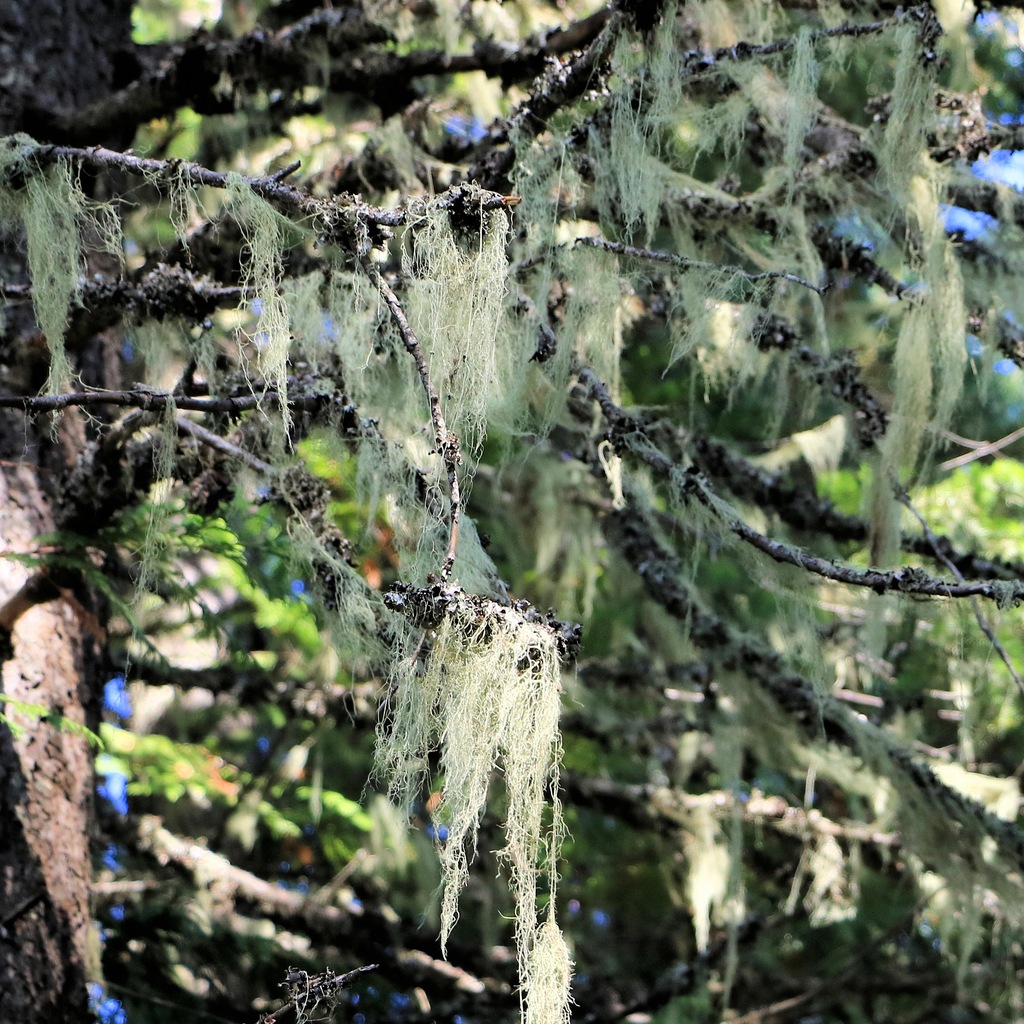
That pale beard hanging from a branch has a story worth slowing down for. Meet Colorado’s Usnea lichens, learn the central cord clue and common...
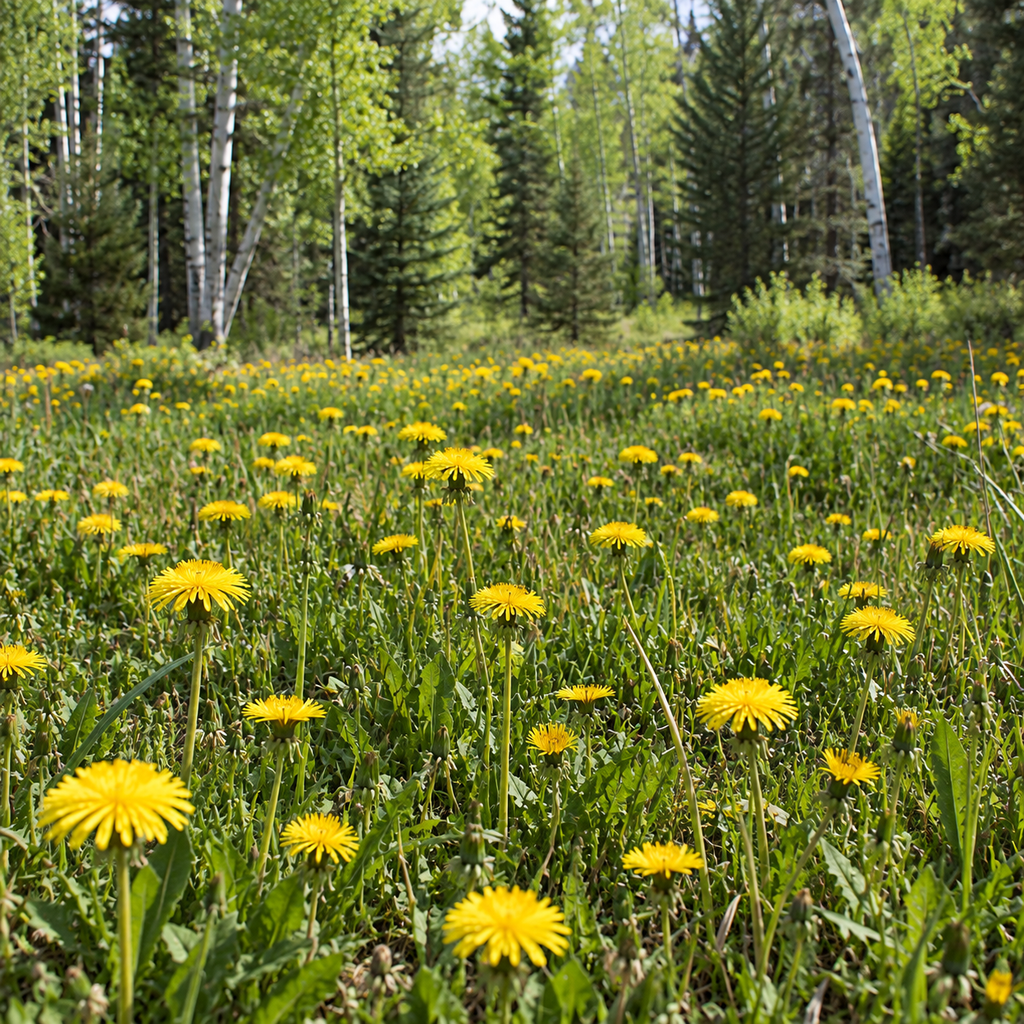
The flower your HOA wants gone might belong on your plate. Learn to identify and harvest dandelions, cook tender greens and campfire fritters, and brew...
Poison hemlock (Conium maculatum) is a highly toxic plant that is native to Europe and North Africa and has become naturalized in many parts of...
This site is protected by reCAPTCHA.