Cart
Sub-Total: $0.00
14 min read

Published November 23, 2026
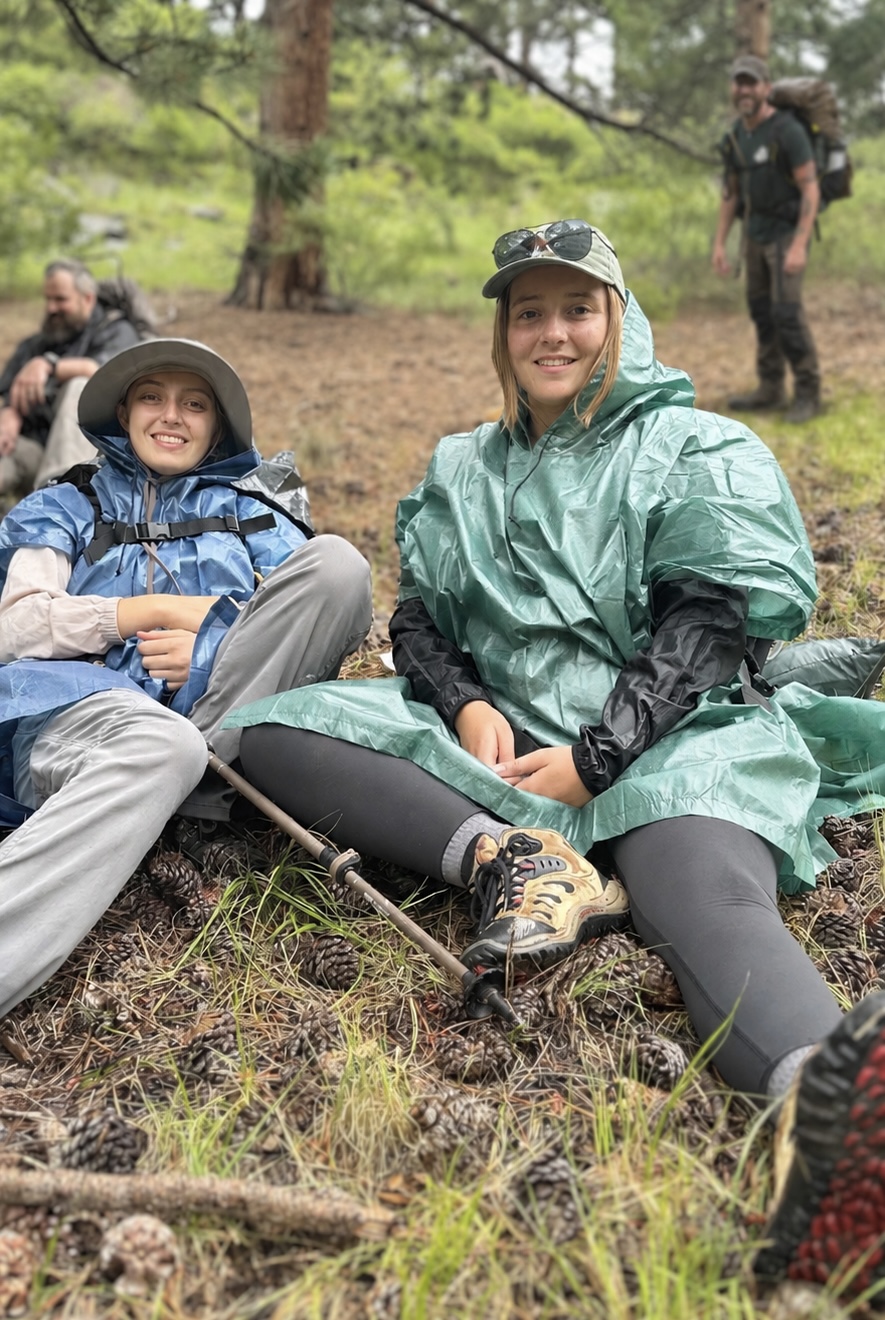
We talk a lot about young people needing to put their phones down and go outside. What I wonder is, when one of them actually wants to go, who’s taking them?
Something I’ve noticed in conversations with older teens and young adults, roughly ages 16 to 25, is how often I hear some version of “I’d like to get away from my phone for a while.” I’ve noticed it in things I read online, too. Sure, plenty of people enjoy making TikTok videos and keeping up with everything going on there. Some of those same people would also like to spend a weekend in the woods. They just don’t necessarily know where to start.
Those of us in the older generation ought to remember who handed them those screens. We were the parents and the other adults raising them. When they were little and we needed 20 minutes to make dinner, we handed them a tablet. On a long drive, we put a movie on for them. When they got restless at a restaurant, we pulled out our phones and handed them over. They grew up learning that when they wanted to be entertained, entertainment came from a screen. They also grew up learning that if they wanted to know how to do something, they could look it up on that same screen. So now you’ve got someone who’s 20 who wants to spend less time on their phone and more time in the woods, and the first thing they do is pick up their phone to figure out where to go. That makes perfect sense to me. I run a survival school, and there’s a pretty good chance that’s how you found me, too.
What I keep coming back to is that some of the young people I’ve talked to actually want time away from all of it. They’d like to know what it feels like to wake up in the woods, make their own breakfast, and have a whole morning where nobody expects an answer from them. I think a lot of adults understand that feeling pretty well. Some of us go camping for that exact reason, then come home and act surprised that someone who’s 19 might want the same thing.
What I wonder is how often we took them along. A lot of us had somebody walking beside us when we were young. We could walk right past a trail sign and get about 10 steps before somebody said, “Hey, what did that sign back there say?” That was the whole consequence of our mistake. If nobody ever took you on those little hikes, you might make that same mistake for the first time halfway up a mountain, with nobody there to catch it.
Then we read a news story about a couple of young hikers who followed a route on their phone, got turned around, and needed help getting home. From the comfort of our kitchen table it’s pretty easy to say, “What were they thinking?” Well, we taught them to look things up. If we handed them a screen and never took them out to show them how to tell whether the map matched the ground under their feet, where did we expect them to learn that part?
Technology can do a lot for somebody who wants to get outdoors. You can find a trail, download a map, check the weather, look up what other hikers have run into recently, or find somebody who’ll take the time to teach you. Where I think people get into trouble is when they’ve watched enough of something that it starts to feel familiar, even though they’ve never actually done it. And that can happen at 45 just as easily as it can at 19.
Say you see a video of somebody fishing a little mountain lake here in Colorado. There’s bare ground around the lake, the guy is fishing in short sleeves, and when you look up the trail, it’s 4 miles in. You’ve walked 4 miles plenty of times. What you might never think to ask is when he filmed it. He was there in August. You’ve got a free Saturday in May. The first mile is dry, just like you expected. Then the trail wraps around onto a slope that faces north, the snow gets deep, and pretty soon you can’t see where the trail goes.
You pull out your phone and there’s the lake, right where it’s supposed to be. What you have to figure out now is how long it took you to cover that last quarter mile, how wet your feet are, and whether it makes sense to keep going. None of that came up in a video about fishing.
I think about this when I make my own videos. I can get on camera and show you how to use a ferro rod. You can see how I hold it, where I put the tinder, and what I do with the striker. Then you go outside, try it yourself, and on your first good strike you knock your whole pile of tinder across the yard. Now you know something about where to put your hands that might have gone right past you when you watched me do it. The backyard is a pretty good place to scatter your tinder a few times.
I’ll be honest about something on the teaching side, too. I have a harder time teaching a teenager whose parents signed them up when they had no interest in coming. I enjoy teaching people who want to be there, and I struggle when somebody would rather be anywhere else. But sometimes we get out there, start playing in the dirt, and a kid who wanted nothing to do with any of this wants another turn with the ferro rod. I like that moment. Getting to try something for yourself is a whole different experience from having an adult tell you how much you’re going to enjoy it.
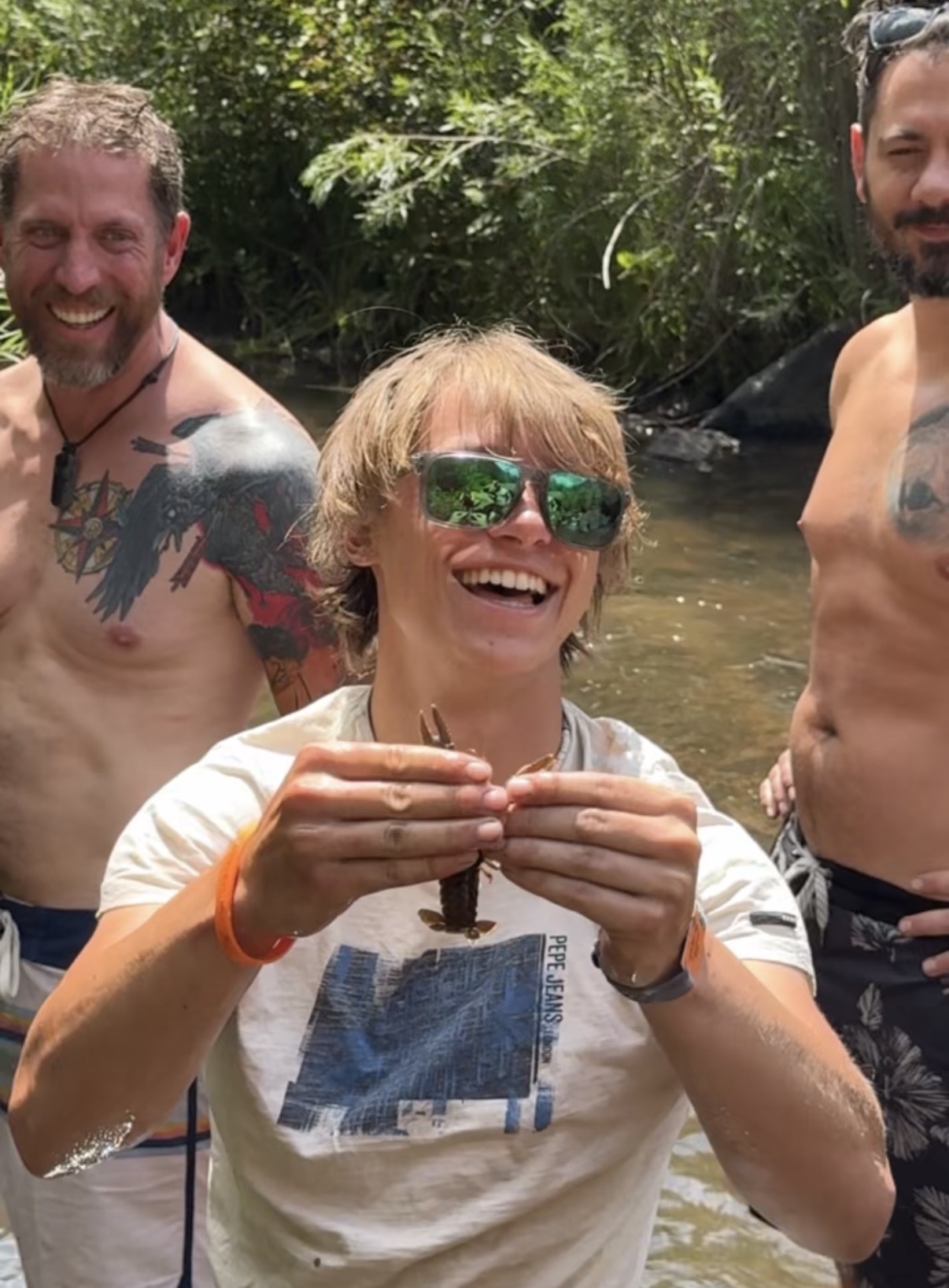
What’s on my mind here, though, is the young person who already wants to go. If that’s you, keep the big trip on your list. For your first hike, pick a short trail, and I mean really short. A flat loop with clear trail markers at a local park is plenty. Take a friend and pick a loop where you’re never more than 30 minutes on foot from your vehicle. Skip the cliffs, steep drops, and trails that split 6 different ways. You’ve got something else to work on today.
Maybe that family loop on the edge of town sounds boring compared to the hike you saved on Instagram. I get it. You grew up with a screen that could entertain you the second you felt bored. If you like the rain jacket someone’s wearing in a YouTube video, you can order one for yourself with a few taps while the video is still playing. It’s easy to get used to that kind of instant gratification. When that jacket shows up, stick it in your pack.
The next time the forecast calls for a little afternoon rain, grab that pack and go walk the loop. By the time you get back to the car, you’ll have a pretty good idea how dry that jacket keeps you with your pack on. Light snow works too, as long as you can see the trail and the footing is good. If there’s thunder in the forecast or the path is iced over, save it for another day. Wear the shoes and layers you’d wear on a longer hike, and bring the rest of the gear you plan to carry.
Say it starts to drizzle. Where did you put your rain jacket? If it’s under your lunch, your spare socks, and everything else you packed, you get to unpack all of that in the rain. Put the jacket on, buckle your pack, and walk a while. Maybe the hood falls over your eyes every time you look down. Maybe you’re sweating enough that you need to open the vents. When you get back to the truck, repack the jacket where you can reach it. Whoever reviewed that jacket on YouTube was wearing a different pack and has a different head than yours. Now you know how the thing fits you.
Go back another afternoon and try setting up that tarp you’ve been carrying. Sit under it for a few minutes. If water runs down the back of your neck, you get to figure out what to move while you’re still close enough to go home and dry off. If you’re getting cold or the weather picks up, head back. Give yourself a few outings like that. A little rain gets easier to deal with once you’ve had some practice in it.
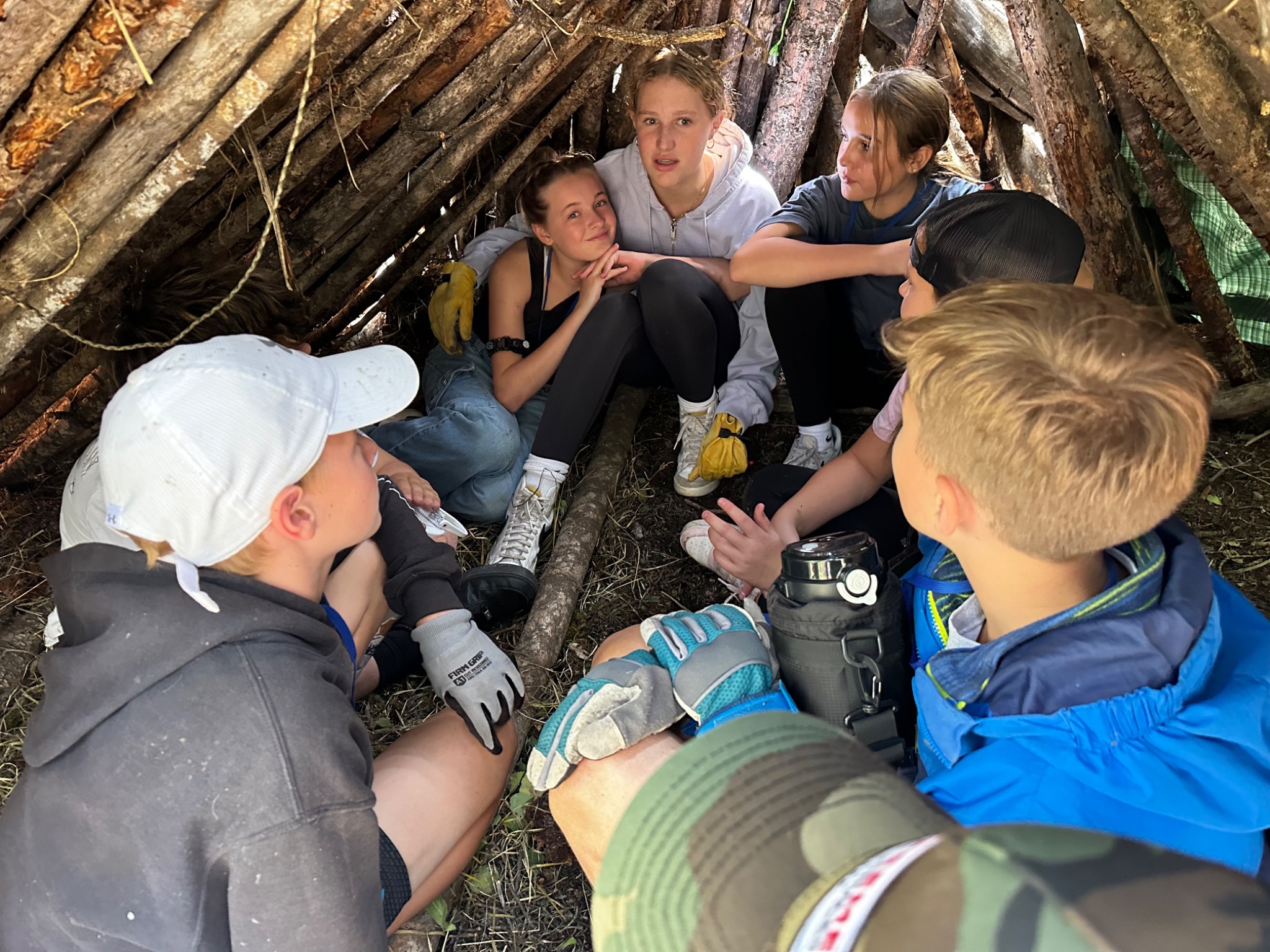
When you’re ready to try an overnight, think about who you’d like to have along. Maybe you know somebody who’s been camping longer than you’ve been alive. Ask them to come, hand them a camp chair, and keep the tent poles for yourself. They can talk you through putting the tent up, and you’ve got somebody to have dinner with afterward.
Maybe you’re reading this at 22 and thinking, “That sounds great, Jason, but everybody I know got their camping experience from the same 3 YouTube videos I watched.” Fair enough. If you and a buddy want to try camping, pick a campground close to home and go spend a night. You can figure out how to pitch the tent, what you forgot to bring for dinner, and whether that sleeping pad is something you ever want to sleep on again, all with the truck 20 feet away. And if you make a decent breakfast the next morning and the 2 of you have enough fun that you want to go again, that trip did exactly what you needed it to do. You got a night in the woods with a friend, and now you’ve got your own experience to draw from when you plan the next one.
You learned to crawl, then walk, then run. Even once you could run, you’d still give yourself time to train for a marathon. Count that night at the campground as one of your training miles.
I get a lot of beginners in my classes at The Survival University. Some have never spent a night in the woods. They’ve got a trip in mind, or they just want to feel comfortable going camping with a friend, and they’ve decided to learn a few things before they go. If that’s where you are, you’re welcome in my camp. If you’ve never set up a tent, come ask me. There’s nothing embarrassing about asking somebody who teaches this stuff for a living to show you how to do it.
I’ll let you wrestle with that tent a little. I’ll be right there beside you, and if you get stuck, we’ll figure out where you got hung up. I want you to be the one who gets it standing. The same goes for starting a fire, learning to use a knife, or figuring out the water filter you bought. And if your backpack has been pulling on your shoulders all morning, say something. We can stop right there, adjust the straps, and let you walk a bit to see how it feels.
If you’d like to come out and do this with us, our 3 Day Outdoor Survival Basics 101 class is a good place to start. We spend a day working on fire, and the next day you put the knots you’re learning to use by building a shelter. If finding your way around the woods is the part you’re most curious about, take a look at 5 Day Outdoor Survival Basics 101. You spend those first 3 days with the same group, then stay for 2 more. That’s when we get the map and compass out and practice matching what you see on the map to what’s in front of you.
You might be surprised who signs up for a basics class. Some of my students are getting ready for their first camping trip. Others have climbed Mount Everest or traveled through the Amazon. What brings them to my camp is pretty much the same thing that brings a first timer out here. There’s something they want to learn, and they want to get their hands on it.
I think about that when I’m teaching somebody who’s 16 or 25 and feels a little embarrassed about asking for help. I’ve spent a lot of time setting up shelters. Maybe you’ve spent those years doing something I’d need your help with. Today we’re working on the shelter, so pull your tarp out and let’s see where you’re getting stuck.
Some of the people you see doing big trips on TV took those same baby steps when they were kids. Think about the person you watched spend 75 days in the wilderness. I’d like to hear about their first night out, back before anybody showed up with a camera. Somebody took them along, let them get a little wet, and showed them what to do next time. Those of us who grew up that way ought to remember it before we give someone who’s 20 a hard time for looking up how to go camping. A lot of us were the adults who handed them the tablet. We can be the ones who take them outside, too.
If you can’t make it out to my camp, think about who you already know. Maybe there’s a grumpy old fart in your family who could tell you exactly why your pack rides funny. Ask. And if you’re the grumpy old fart reading this, take that question as an invitation. Make time to go with them and show them what you mean.
If your niece tells you about a hike she saw online, ask her to show it to you. Sit down together and pull up the map. Maybe it’s a good first hike. Maybe you know a shorter one where she can get a feel for the elevation and still have enough afternoon left to sit by a lake and fish. Either way, she’s already told you she wants to go outside. That’s a pretty good time to say, “I’m free Saturday. Want to go?”
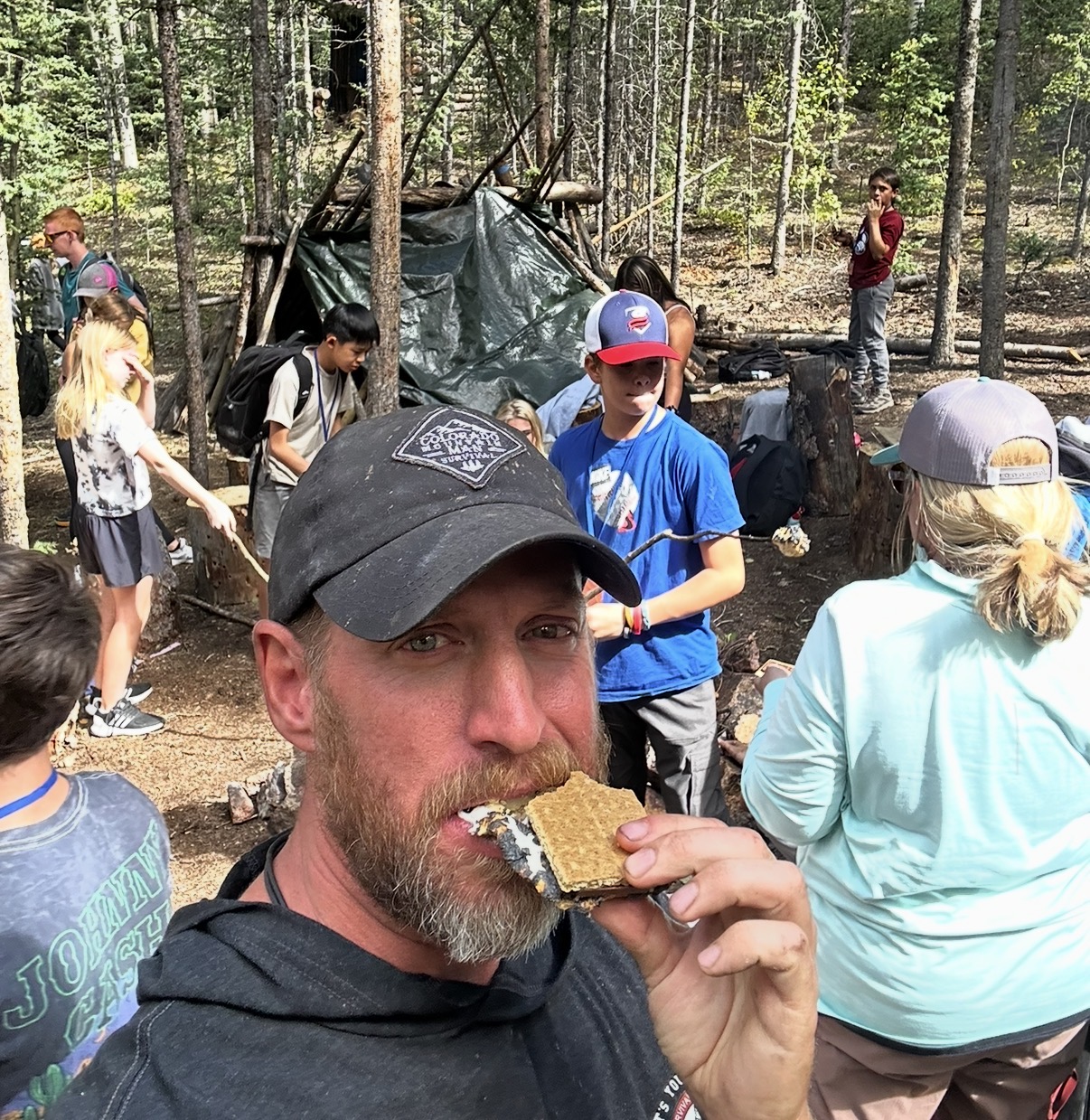
Jason Marsteiner is the founder and lead instructor at The Survival University, where he’s turned his obsession with staying alive into a mission to teach practical survival skills. Forget fancy gear, Jason’s all about the skills that get you through the wild or a city crisis. A published author of Wilderness Survival Guide: Practical Skills for the Outdoor Adventurer, he’s turned years of experience into lessons anyone can use.
Raised in Colorado’s rugged mountains, Jason’s survival chops were forged in the wild, from Missouri forests to Arizona deserts to Costa Rican jungles. He’s navigated it all with next to nothing, earning creds like Wilderness First Responder (WFR) and SAR tracking along the way. He’s trained thousands to keep cool when 911’s out of reach, proving survival’s not just for grizzled adventurers, it’s for hikers, parents, and city slickers alike.
Jason’s mantra? Everyone should make it home safe. When he’s not running courses, he’s designing knives, mentoring newbies, or chilling in the city like the rest of us, always sharpening the skills that turn panic into power.
I’ve talked with teenagers and young adults who want to spend less time on their phones and more time in the woods. If you grew...
This site is protected by reCAPTCHA.