Cart
Sub-Total: $0.00
20 min read
October 29, 2026
Updated November 1, 2026, to include additional information about their preparation and recovery.
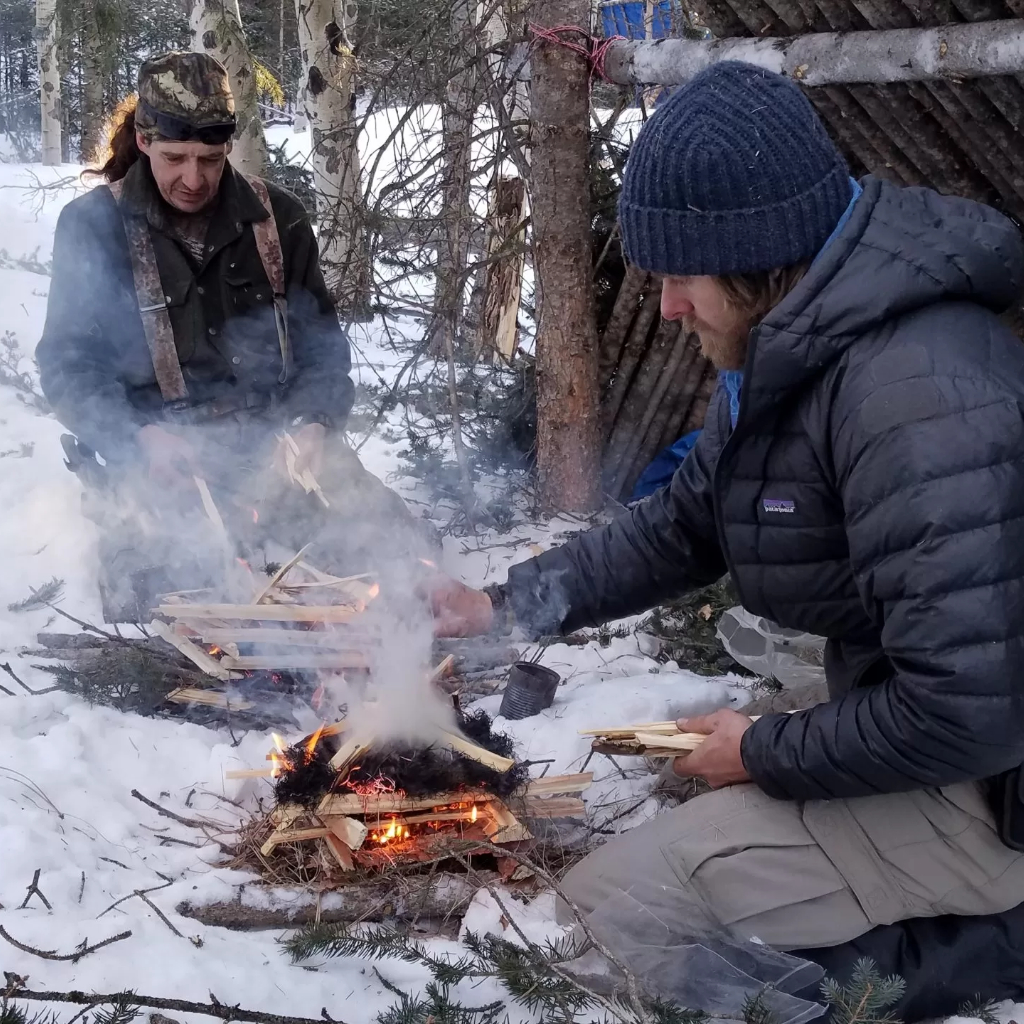
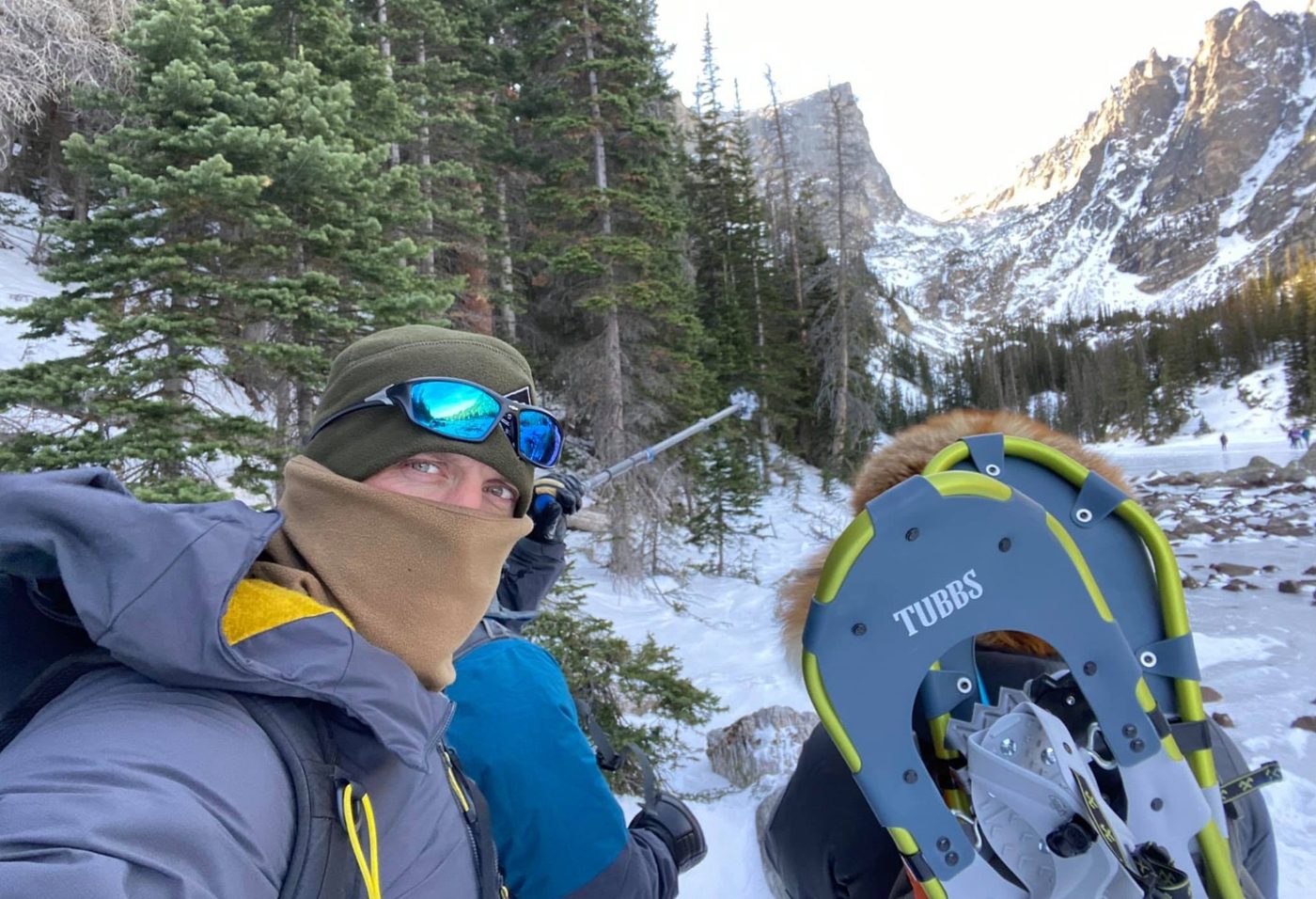
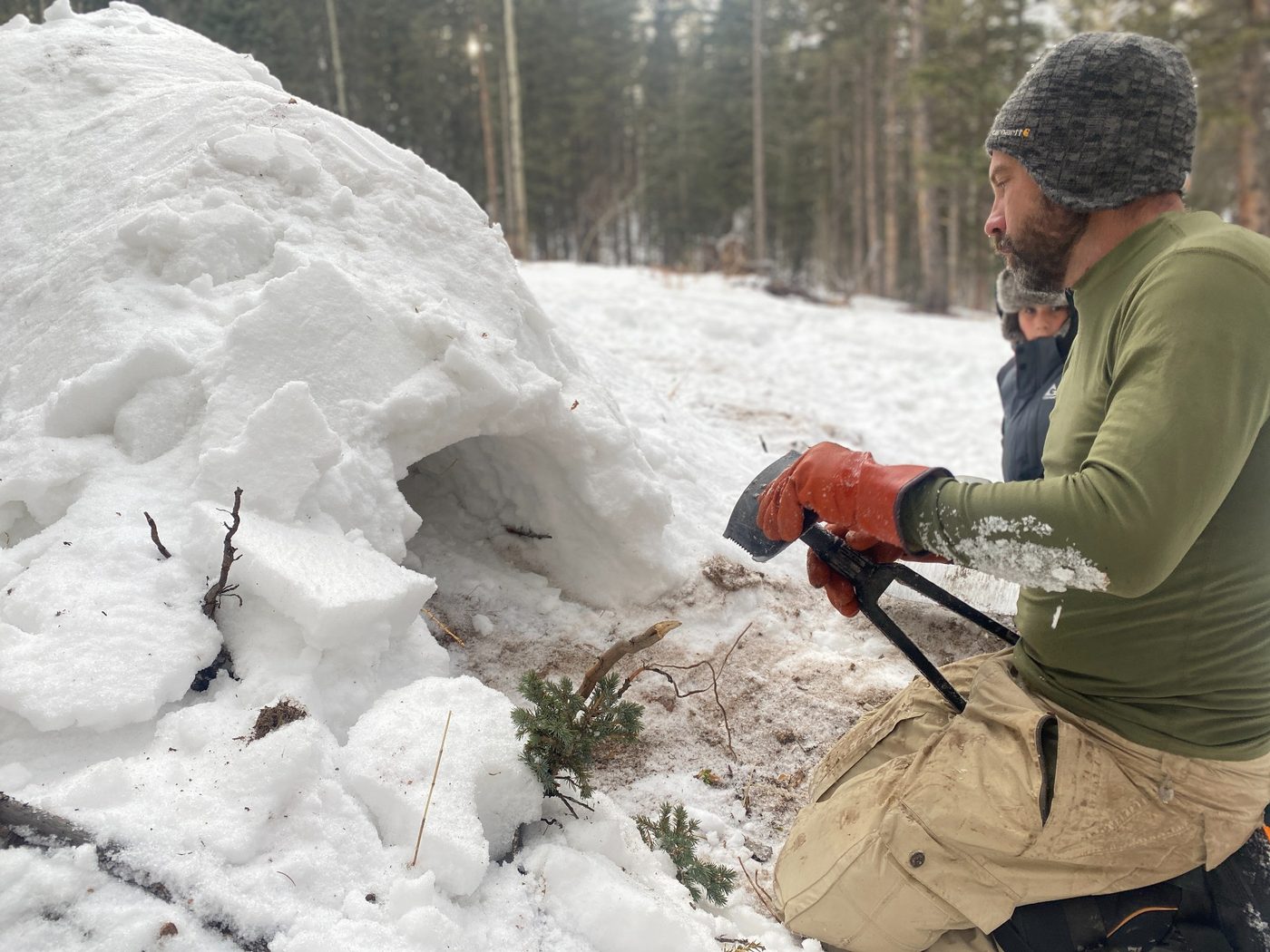
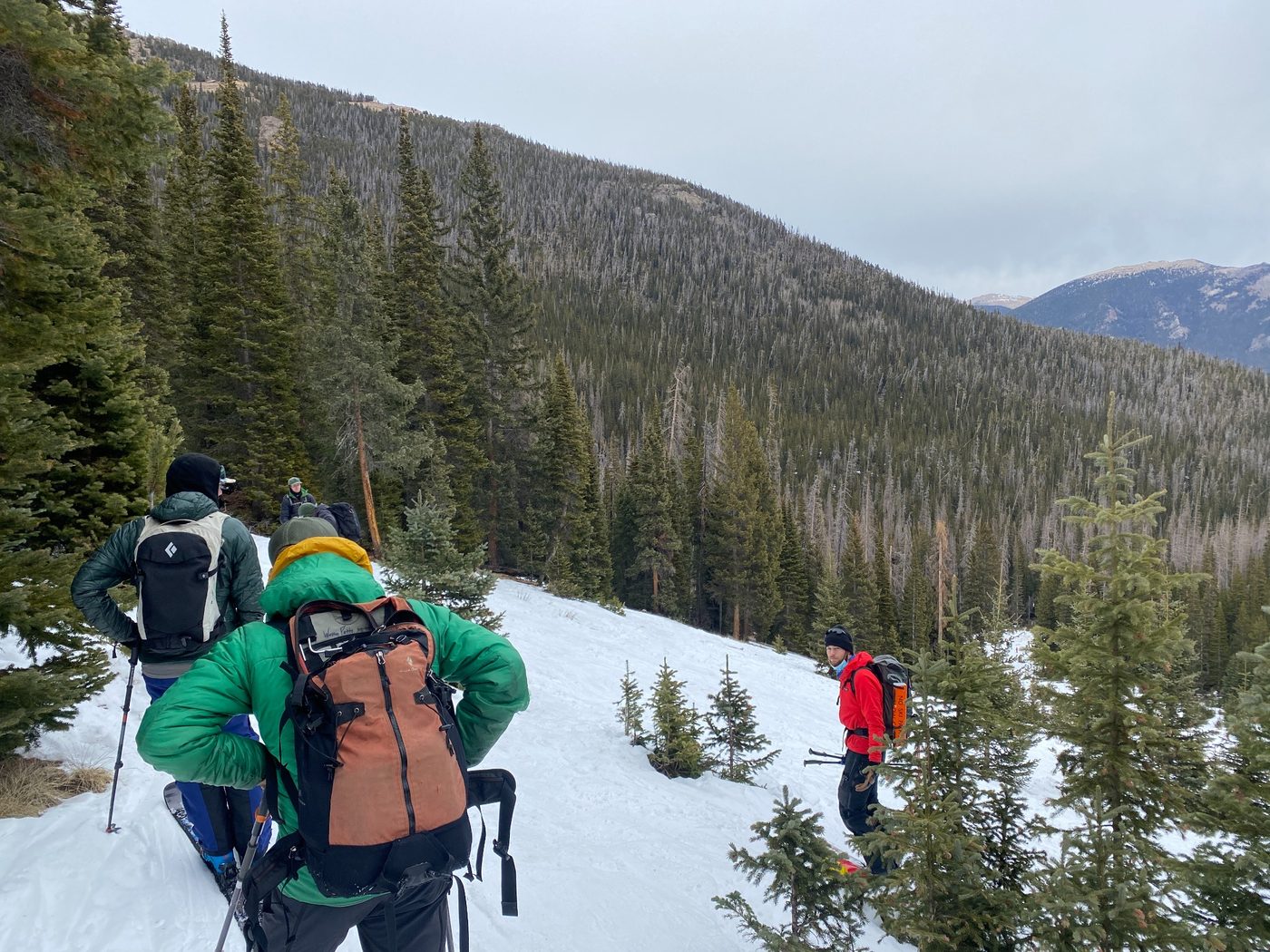
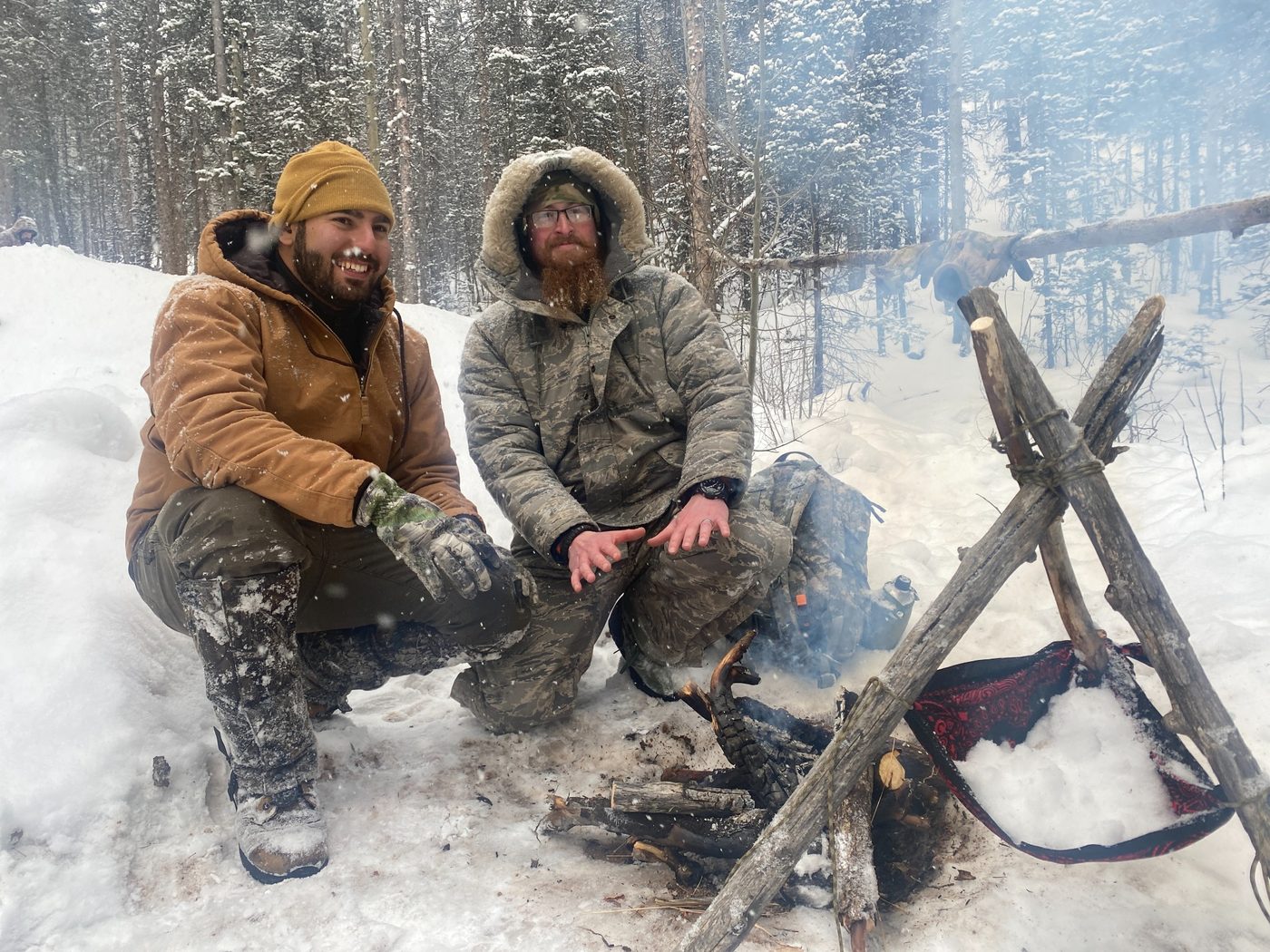
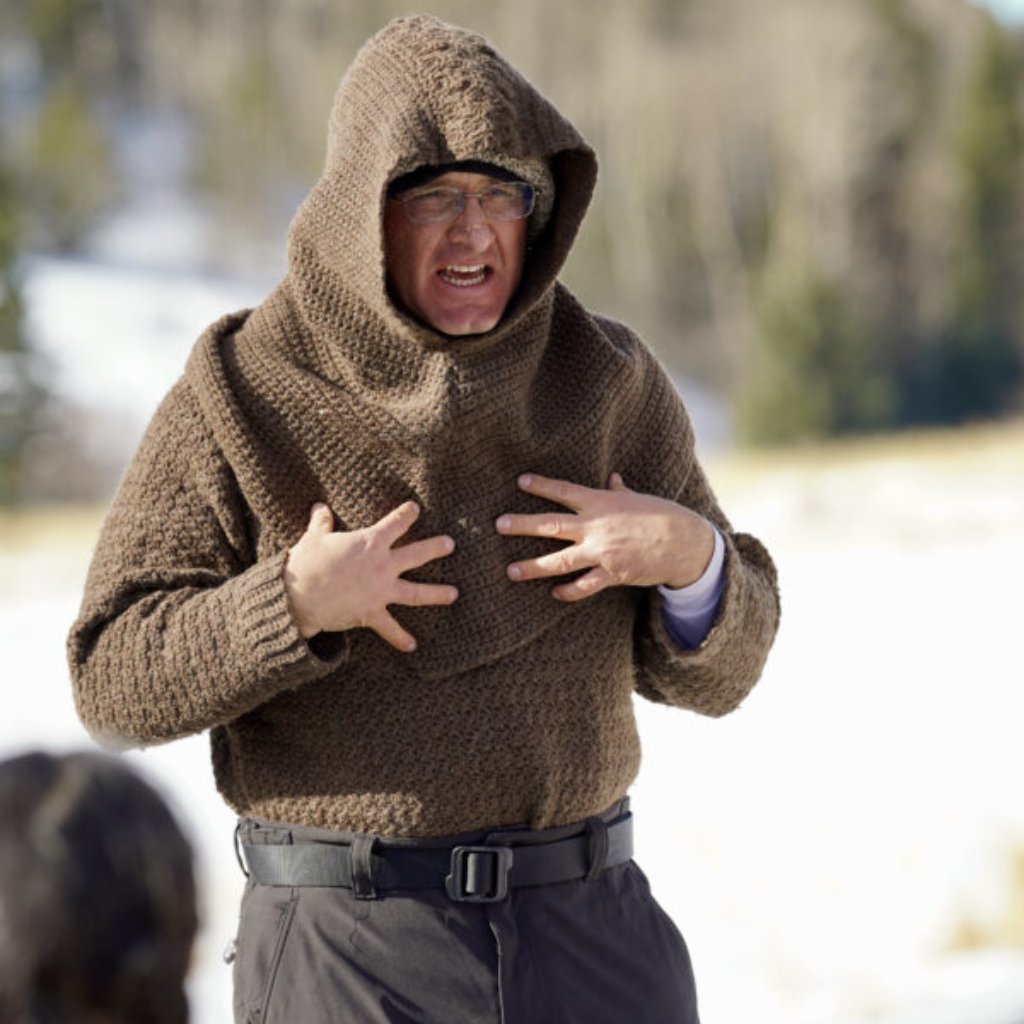
Photo note: The photographs in this article show winter training at The Survival University. They do not depict Kaden, Jackson, or their trip.
While the search for Kaden Matsuda and Jackson Donlon was still underway, several people asked me to write about the survival skills, knowledge, and equipment that could help someone caught in severe weather in Colorado’s mountains. I started putting my thoughts together while people were still hoping these young men would be found alive. Learning that they had died changed how I wanted to approach this article, but it didn’t change why I believed the conversation was worth having.
Kaden and Jackson deserve to be remembered as people with lives and futures ahead of them. Their families deserve compassion, and they deserve better than strangers inventing explanations for what happened. I want to share what has been reported about them, explain why their story prompted this discussion, and talk honestly about what wilderness preparation can accomplish. Nothing that follows is an accusation about their decisions or a claim that a particular skill or piece of equipment would have brought them home.
Kaden Matsuda was 19 and from Ridgway, Colorado. Jackson Donlon was 20 and from New York. Both attended Colorado Mountain College in Leadville. According to information shared by the Chaffee County sheriff, Kaden was studying to become a wildland firefighter, and Jackson was studying to become a mountain guide. Those plans offer a small glimpse of the futures they were working toward, both connected to the outdoors.
I didn’t know either of them personally, and I won’t pretend a few news reports can tell me who they were to the people who loved them. Their families and friends knew their personalities, their humor, their ambitions, and all the ordinary details that never make it into a search announcement. Those lives were much larger than the circumstances that brought their names to the public’s attention.
The reported timeline begins on Friday, October 23, 2026, when they left campus for a trip into the Ice Mountain area. Friends told authorities they planned to return Saturday, October 24, if they felt unsafe continuing, or Sunday, October 25, if they proceeded. They also sent friends a map identifying Ice Mountain as their destination and indicating the general Winfield and trailhead area. After they failed to return, college staff reported them missing Monday morning. On Tuesday, searchers found their tent near Lake Ann, collapsed beneath snow, with sleeping bags, a stove, and clothing inside. Investigators reported no snow underneath the tent, indicating it had been pitched before the new snow accumulated. Neither young man was there.
On Wednesday, October 28, at approximately 3:30 p.m., searchers found Kaden and Jackson deceased in a basin of West Apostle Mountain. The sheriff’s office said foul play was not suspected and declined to offer theories before autopsies were completed. As of November 1, 2026, the circumstances of their deaths have not been publicly established.
In an update reported October 30, the sheriff’s office described how searchers used binoculars and spotting scopes to identify part of a boot barely protruding from the snow. Kaden and Jackson were found near each other, approximately 1 mile from their tent, in a basin with snow reaching searchers’ waists and chests, jagged cliffs, boulder fields, and multiple avalanche chutes. Experienced searchers needed about 2.5 hours to cover that mile. Conditions prevented recovery on October 28, and their bodies were recovered October 29 with helicopter assistance. Even after someone has been located, terrain and weather can make reaching them extraordinarily difficult.
That timeline tells us when they departed, when they were reported missing, and when they were found. It does not tell us everything that happened between those events. Approximately 5 days passed between departure and discovery, but that does not establish that they survived for 5 days. Finding their tent beneath snow does not tell us when it collapsed or whether they were there when it happened. We cannot fill those unknowns with whatever explanation seems most convincing from the comfort of home.
It is also worth recognizing that the sheriff, Andy Rohrich, publicly praised their preparation during the search. He credited their strength and knowledge and said they had followed almost all the safety measures authorities recommend to backcountry travelers. Their ordinary footwear remained at camp, but investigators did not find their climbing equipment in their tent, vehicle, or dorm rooms. Their technical footwear was also unaccounted for, suggesting they had taken that equipment with them. Food-related trash at camp suggested they had eaten before leaving. These findings show preparation, but do not establish their complete equipment inventory or every decision they made. That belongs in the conversation just as much as the weather and the discovery of their campsite.
There are environments and situations where even experienced people with appropriate equipment and considerable training may not be able to survive. That is a difficult thing to accept, especially when we want a clear explanation or something we can purchase, practice, or pack that will prevent the same outcome. But any honest discussion about wilderness survival has to acknowledge that preparation has limits.
I’ve spent years teaching wilderness survival, and I want people to understand what those skills actually provide. Knowing how to build fire and shelter gives you another option when suitable materials and terrain are available. Understanding thermoregulation helps you manage heat loss. Navigation skills help you evaluate routes, and mental conditioning can help you function under stress. Together, those abilities can improve your chances considerably. They cannot make every situation survivable.
A fire-starting kit cannot create firewood on a barren mountainside. A GPS cannot make an icy descent safe. Physical endurance cannot prevent every fall, and determination cannot keep someone moving indefinitely. You can have the right answer to a survival problem and still lack the time, materials, physical ability, or safe location needed to put that answer into practice.
This is why I place so much emphasis on awareness and judgment. Sometimes your best opportunity to protect yourself comes before anything looks like an emergency. It might be the decision to change routes, put on a shell, stop gaining elevation, or turn around while you still have a manageable way back. At other times, people make reasonable decisions and still encounter circumstances they cannot overcome. Training should help us understand both realities.
One of the challenges of mountain travel is that you have to think beyond what is happening where you are standing. Comfortable weather at the trailhead tells you very little about what an exposed ridge might feel like several hours later. The route you cross in the morning also has to be considered as a possible return route after temperatures drop, snow accumulates, or visibility disappears.
Preparation starts with checking a forecast relevant to the elevation and area you intend to enter, understanding current trail conditions, and considering seasonal hazards. Snow-covered terrain can be difficult to recognize, and winter travel may involve avalanche exposure as well as ice and deep snow. Those conditions need to influence route selection before you leave and continue influencing your decisions as the day develops.
Think about a rocky section that requires careful foot placement when it is dry. Cover those rocks with snow and you may no longer see what supports your weight. Add ice, wind, poor visibility, and exhaustion, and the same stretch becomes a different problem. A route does not have to become physically impassable to become more dangerous than you are equipped to handle.
Turnaround times can help, but a clock should not be the only thing that changes your plan. Slower travel, worsening footing, increasing wind, a struggling partner, or difficulty identifying the route can all change what is reasonable. The question is whether the way forward and the way back are still within your capabilities under the conditions developing around you.
I want people to practice noticing those changes while they still have choices. It is easier to adjust a plan when everyone is warm, mobile, and thinking clearly than after someone becomes injured or exhausted. That doesn’t mean every emergency comes with an obvious warning. It means paying attention gives you a better chance of recognizing the warnings that do exist.
Thermoregulation is one of the subjects I emphasize most in survival training. Understanding how your body produces, retains, and loses heat changes how you use your clothing and manage your activity. A pack full of expensive layers is only useful if you recognize when to wear them, when to ventilate, and how to keep your insulation protected.
Climbing through deep snow can produce enough heat to make you sweat heavily even in freezing weather. When you slow down or stop, wet clothing can contribute to rapid cooling. Managing that moisture means adjusting layers and pace before you become soaked, then adding protection as your activity and exposure change. Wind protection and a suitable outer shell are part of that system, along with insulation.
This is something people can practice on ordinary outings. Pay attention to how much clothing you need while climbing compared with standing still. Notice whether your gloves become damp, whether you can reach your extra layer without emptying your pack, and whether you wait until you are already cold before putting it on. Those observations help you understand how your equipment works on your body.
Hypothermia also affects the abilities you depend on to respond to trouble. Warning signs can include shivering, exhaustion, fumbling hands, confusion, slurred speech, and drowsiness. It can happen above freezing when someone becomes chilled by rain, sweat, or cold water. A person whose thinking is impaired may not recognize the seriousness of their condition, which is one reason partners need to watch each other.
Someone who begins struggling with simple tasks or behaving unusually needs attention. Don’t assume they only need encouragement to push harder. Reduce further exposure, protect them from wind and the ground, replace wet clothing with dry insulation when practical and protected, and seek emergency help when hypothermia is suspected, particularly with confusion or deteriorating function. Recognizing a problem is useful only if it changes what you do.
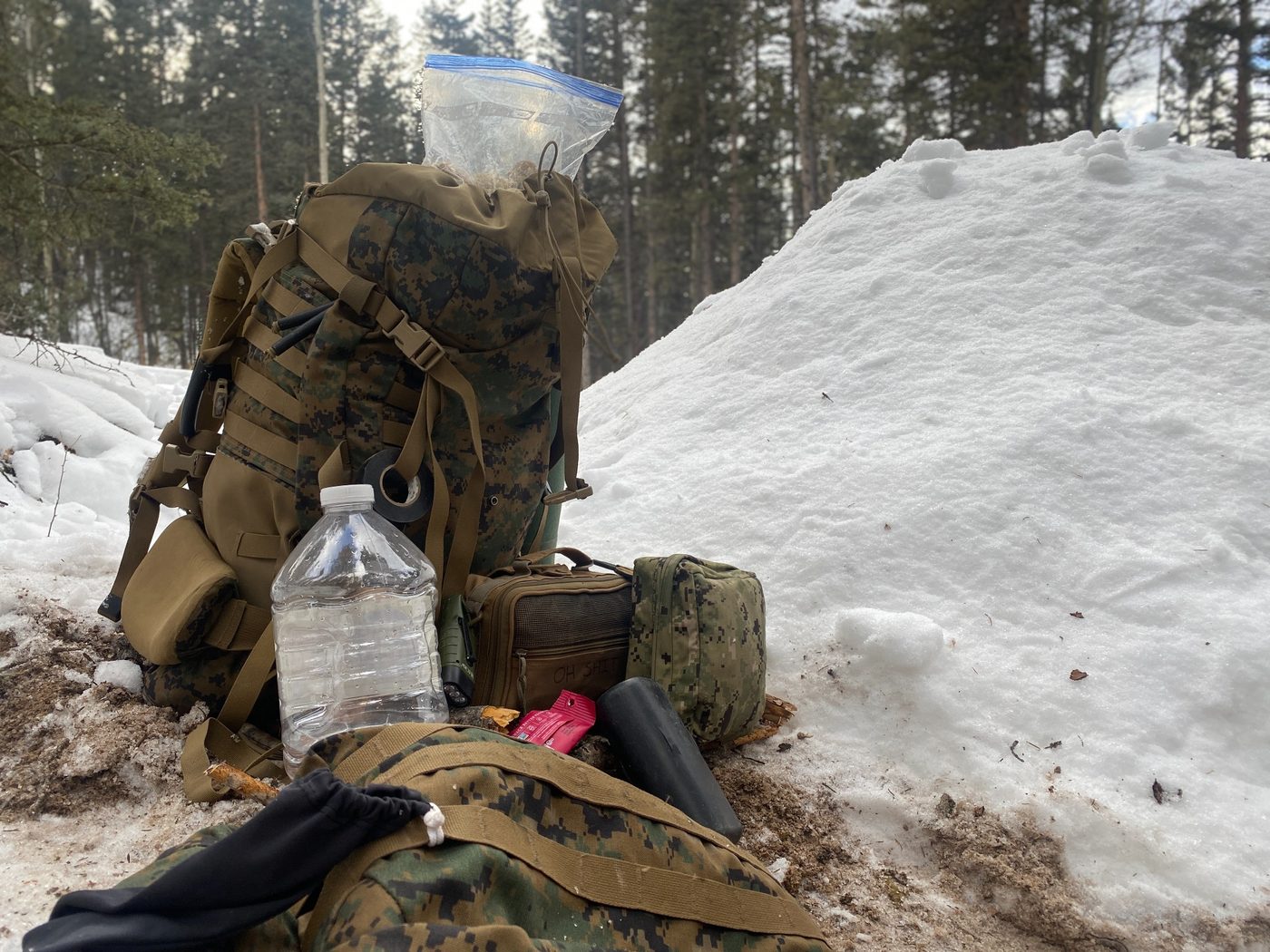
People often prepare for the activity they intend to complete without giving enough thought to what happens if they can no longer continue. There is a substantial difference between clothing that keeps you comfortable while moving and protection that can sustain you through a long, inactive night. An injury, blocked route, or delayed rescue can turn that difference into the central problem of your trip.
I want people to consider a specific question when packing. If you had to stop somewhere along your intended route and remain there until morning, what would protect you? Think about insulation beneath you as well as around you, protection from wind and precipitation, and whether the equipment can be deployed in the terrain you are entering. The answer should be based on what you are actually carrying.
An emergency bivy or reflective blanket may provide useful protection, but it should not be confused with a complete cold-weather sleeping system. Equipment varies considerably, and a lightweight item marketed for emergencies may offer very little insulation. Understand what yours does, what it requires alongside it, and what conditions it was designed to handle.
Improvised shelter has limitations too. A wooded area may provide materials and protected locations that simply don’t exist above treeline. Snow shelters require suitable snow, tools, time, knowledge, and a location that does not introduce other hazards. Knowing how to build something in a controlled setting does not mean you will be able to build it anywhere you become stranded.
Keeping equipment accessible is part of this discussion. Supplies back at camp cannot help until you reach them. There are legitimate reasons climbers reduce weight for a summit attempt, and every activity involves tradeoffs. Establishing a base camp and leaving heavier overnight equipment there is normal mountaineering practice. The evidence suggests Kaden and Jackson took their technical climbing equipment and footwear with them. Leaving camping equipment behind is not, by itself, evidence of irresponsibility or an explanation for their deaths. The useful question is what protection remains with you if returning to camp becomes impossible. That is a planning question for all of us, regardless of the circumstances of this particular tragedy.
Navigation involves more than identifying where you are on a screen. You also have to understand the terrain between your location and the place you want to reach. In poor visibility, a short distance on a map can include a steep slope, an exposed crossing, or terrain you cannot safely evaluate from where you stand.
GPS devices and offline maps are valuable tools. Their usefulness grows when you understand contour lines, terrain features, route selection, and the limitations of the information being displayed. Following a recorded track does not guarantee the route remains suitable after conditions change. The line may be the same while the surface beneath your feet is completely different.
There is no universal rule that says you should always keep moving or always stay put. Remaining exposed can be dangerous, but attempting a descent you cannot safely navigate can create another emergency. Your physical condition, equipment, available shelter, visibility, and terrain all affect that decision. This is where judgment has to connect what you know with what is actually possible.
The same distinction applies to communication. I encourage people traveling in remote areas to carry an appropriate satellite communicator or personal locator beacon, understand its operation, understand its limitations, and keep it accessible. Leave a trip plan with someone who knows your route, expected return, and when to seek help. These preparations give you ways to alert others and give searchers information to work with. Kaden and Jackson followed this advice in several important respects by sharing a destination map and a conditional Saturday or Sunday return plan with friends. That was something they did right and an example of the advance communication we encourage in survival training.
Even after an emergency signal gets through, reaching you may take considerable time. Weather and terrain can limit both air and ground access. Your plan needs to account for the period between requesting help and receiving it, including how you will protect an injured or immobile person. Requesting rescue begins a process that still depends on people being able to reach you.
High elevation adds demands that fitness alone does not remove. Reduced oxygen pressure affects performance, and acclimatization takes time. Being strong, athletic, or accustomed to difficult hikes at lower elevations does not make someone immune to altitude illness. Fitness and acclimatization are different parts of preparation.
When planning a mountain day, consider the work of returning as seriously as the work of getting there. Deep snow, difficult footing, route finding, and helping a struggling partner can all change how long travel takes. A pace you expected to maintain may no longer be realistic. Food, water, usable lighting, and protection from the cold need to support the trip as it develops, including delays.
Mental fortitude belongs in this conversation because difficult decisions are not always physically difficult. Abandoning an objective can be frustrating after months of preparation, travel, and expense. It can be harder when other people are still enthusiastic or when the summit looks close. Having the discipline to reassess a plan is a skill worth developing alongside endurance.
That doesn’t mean every uncomfortable moment is a reason to retreat. Discomfort is part of learning and adventure. The challenge is recognizing what the discomfort is telling you. Being tired after a demanding climb and becoming too exhausted to negotiate the return route are different situations. Training should help you notice your condition and respond honestly, rather than treat every problem as something to overpower.
Their families and friends described Kaden and Jackson as experienced outdoorsmen, and investigators spoke highly of their abilities. I respect those assessments. They appear to have had considerable outdoor experience for their ages, possibly more practical experience than many older outdoor enthusiasts. But I did not know them, and I cannot assess their full histories or the challenges they had faced. Experience at 19 or 20 can look different from experience at 40 or 60. A younger person can have more useful skills than someone twice their age, while decades spent in varied environments offer more opportunities to develop breadth and judgment. Age alone does not establish someone’s judgment.
Time outdoors creates opportunities to learn, but those lessons require attention. Hiking the same trail 1,000 times does not necessarily develop the abilities gained through varied terrain, difficult conditions, unexpected problems, and genuine adversity. Training contributes, but so do applying those skills, making difficult decisions, overcoming challenges, and learning when things do not go according to plan. You can complete a trip without examining why it went well, what nearly went wrong, or which decisions left you with fewer options than you expected. Reaching your vehicle safely is a good outcome. It is also an opportunity to review the day while the details are fresh.
Think about where you became cold, when your pace changed, what equipment you actually used, and what you struggled to find in your pack. Consider whether your route took longer than expected and whether everyone felt comfortable speaking up. Ask yourself what would have changed if you had been delayed for several hours. Those questions make future planning more specific.
Practice should also include using your equipment under manageable conditions before you depend on it in an emergency. Set up your shelter with gloves on. Learn your navigation device beyond its most familiar screen. Understand how your clothing performs in wind and precipitation. Give yourself opportunities to discover problems where correcting them is still straightforward.
Over time, those observations become knowledge. Learning how to apply that knowledge under changing circumstances is what develops judgment. I want students to leave training with more than a collection of techniques. I want them paying closer attention to the environment, their equipment, the people with them, and their own condition.
I believe real growth happens at what I call the edge. That is where you challenge yourself, stretch your boundaries, test your skills, and discover capabilities you haven’t developed yet. I want people outside having those experiences. Climbing, exploring, and learning to function through difficulty can build confidence that carries into the rest of your life.
But the edge changes. Your capabilities on a clear day with rested legs and familiar terrain may be very different after hours of exertion in deteriorating weather. The equipment you have, the people you are with, and the options available around you all affect how far you can reasonably go. Recognizing that change is part of becoming more capable.
Pushing yourself should include learning how to recover, reassess, and change direction. It should include enough honesty to recognize when the next step asks more of you than you can currently give. That is how you keep developing without treating every objective as something you have to complete at any cost.
I don’t believe everyone needs a 50-pound pack for every hike, and I don’t want people frightened into staying home. I want preparation suited to the environment and the consequences of becoming stranded. Build your skills, test your equipment, learn your responses to stress, and keep expanding what you can do. Push that edge, but understand that finding your way back is part of the challenge.
I talk about survival skills, situational awareness, and preparation regularly. I didn’t begin caring about these subjects because Kaden and Jackson died. But a tragedy can make people stop and listen to a conversation they might otherwise scroll past. If you have read this far because their story caught your attention, I hope you carry that attention into your next trip.
Take time to understand the environment you are entering. Think through what happens if you are delayed, if the route changes, or if someone cannot continue. Learn to recognize changes in yourself and your partners, and practice using the equipment you expect to rely on. Those are useful things we can do without claiming to know what happened to these young men.
Kaden and Jackson communicated their destination and anticipated return dates, established a campsite, and apparently took technical climbing equipment with them, earning public praise for their preparedness. Despite those precautions, they did not survive. Preparation, equipment, experience, awareness, and training improve our options and chances of survival, but cannot guarantee that every emergency is survivable.
None of those lessons requires us to assign blame. We can acknowledge that preparation improves our chances while accepting that it cannot control every outcome. We can discuss risk without treating a death as proof of carelessness. And we can leave unanswered questions unanswered while the people responsible for investigating do their work.
I also want to recognize everyone who searched for Kaden and Jackson. Their effort deserves our gratitude, along with respect for the families, friends, classmates, and others now grieving. Finding the young men ended the search, but it did not end what the people who loved them are going through.
Kaden was working toward becoming a wildland firefighter. Jackson was working toward becoming a mountain guide. Those futures deserve to be remembered alongside their names. Whatever we learn from the broader conversation about mountain travel, their lives should never be reduced to a list of things strangers think they should have done differently. My thoughts are with their families and everyone who knew them, and I hope we can approach both their memory and this conversation with the care they deserve.
Jason Marsteiner is the founder and lead instructor at The Survival University, where he's turned his obsession with staying alive into a mission to teach real-world survival skills. Forget fancy gear, Jason's all about the know-how that gets you through the wild or a city crisis. A published author of Wilderness Survival Guide: Practical Skills for the Outdoor Adventurer, he's distilled years of hard-earned wisdom into lessons anyone can use.
Raised in Colorado's rugged mountains, Jason's survival chops were forged in the wild-from Missouri forests to Arizona deserts to Costa Rican jungles. He's navigated it all with next to nothing, earning creds like Wilderness First Responder (WFR) and SAR tracking along the way. He's trained thousands to keep cool when 911's out of reach, proving survival's not just for grizzled adventurers, it's for hikers, parents, and city slickers alike.
Jason's mantra? Everyone should make it home safe. When he's not running courses, he's designing knives, mentoring newbies, or chilling in the city like the rest of us, always sharpening the skills that turn panic into power.
Remembering Kaden Matsuda and Jackson Donlon while exploring what wilderness survival training can offer, why preparation has limits, and how awareness, equipment, and judgment shape...
The time, money, and effort you put into a trip can make changing your plans feel like failure. Jason Marsteiner explains how the sunk cost...
Published: October 19, 2026 On September 13, 2026, Sybil and Justin Claborn found themselves stranded in Washington’s Cascade Mountains as a powerful storm swept through…
Bert Goris’s death on Mount Katahdin raises lessons about hypothermia, weather, exposed terrain, and preparedness. Jason Marsteiner examines how training expands what “everything I could”...
The August 2026 Grand Canyon flash flood exposes the limits of familiar campsites, warning systems, and last-minute escape plans. Jason Marsteiner’s original analysis is followed...

Survival skills are not just about building fire or navigating terrain. They reveal how you respond under pressure, how you make decisions when conditions shift,...

Most group failures in the backcountry do not start with a single bad decision. They begin much earlier, when communication, alignment, and shared responsibility quietly...
Nash Quinn vanished on a routine ride near Laramie. His story is a powerful reminder of why preparation, communication, and humility in the outdoors matter...
In cold weather, it is important to dress in layers. This allows you to adjust your clothing as your body heats up or cools down...

When you’re heading into the winter wonderland of the Colorado Rockies, the last thing you want is for your adventure to turn into a survival...
A very helpful and informative report with lots of good advice.
BUT you did NOT (repeat NOT) show any weather maps. ????? I see your sources, but I do NOT see any weather maps. Sigh….
I was watching Weatherstreet jet stream maps – looking for a cold front, to help the local ski areas make snowgun snow. Snow guns need the cccold.
I saw a strange looking CCG (a Counter Clockwise Gyre) on Saturday, moving from west to east across Utah into Colorado. (I copied it into PPt)
A tall narrow CCG with large wind vectors, and a nasty looking sharp bend, where the wind directions reversed, as the cold front came across.
The east side had winds blowing from South to North… probably producing rain ? // Then a very sharp gusty bend, then cccold winds from North to South.
That beast actually went around in a gyre, making a loop of high winds. That seldom happens. That critter may have circled overhead ???
Reports told us that there was no snow under their tent. They arrived and set up base camp before the storm.
An early morning start to climb the peaks ?
An experienced 14ner hiker told me about nasty boulders and wide talus aprons below those peaks: very tricky, difficult hiking.
When that CCG came across, there was probably rain, then freezing rain, then sloppy wet snow ? Slippery ice formed on the boulders ?
Those frozen boulders would be hard to walk on. Then: as The Bend came across, gusty winds swirling around, blowing snow into snow drifts ?
Did they have goggles and microspikes or crampons ? Did they have bivvy sacks ? Did someone slip and fall and get hurt ?
Obviously those two young men did NOT retreat to their tent. They got trapped in the boulders within the snow drifts ?
A sailor would call it a “Squall”… It was a perfect storm, it was a killer storm. Then cold and clear on the back side ?
That Weatherstreet Jet Stream website includes forward models – so that you can predict the winds a few hours, or a few days in advance.
Do they still teach weather prediction skills in mountaineering schools ? How cold fronts move across mountains ? What to expect ?
Do Garmin InReach beacons send weather reports ? Enough of a forecast to warn them ?
I learned about weather maps log ago, at an AMC Mountain Leadership School in NH. It was a school for camp counselors, church group leaders and Boy Scout troop leaders. We studied weather maps in a classroom , and first aid skills. Then they marched us up to Lake of the Clouds Hut in freezing rain and fog, past a trail junction where all of the trail signs had been unbolted and stolen by tourists. Great fun watching a class of wannbe trek leaders try to use compasses and dead reconning to get oriented and read soggy paper maps in a rain storm. We did somehow eventually arrive at the Hut – cold and wet – in time for dinner.
But those two young men did not find a cozy warm hut ?
They fell into cccold wet snow drifts in the boulders ?
We await the autopsy reports.
Sigh….